
Low Cost Painting Ideas That Make a Big Visual Impact
Fresh paint remains one of the most effective ways to change the appearance of a home without major renovation costs. Walls, trim, ceilings, cabinets, and even exterior features can be updated with relatively small investments when the right strategies are used. Many homeowners assume that a noticeable transformation requires a full repaint of every room, yet thoughtful color placement and creative paint techniques often deliver the same visual impact at a fraction of the cost.
Professional painters see this every day. Strategic updates can dramatically improve the appearance of a property while keeping material and labor costs manageable. Homeowners in Virginia who want a flawless finish sometimes hire professionals like Alpha Painting LLC in Fredericksburg, VA, though many of the ideas below work well for DIY projects too when planned carefully.
Table of Contents
Paint an Accent Wall Instead of the Entire Room
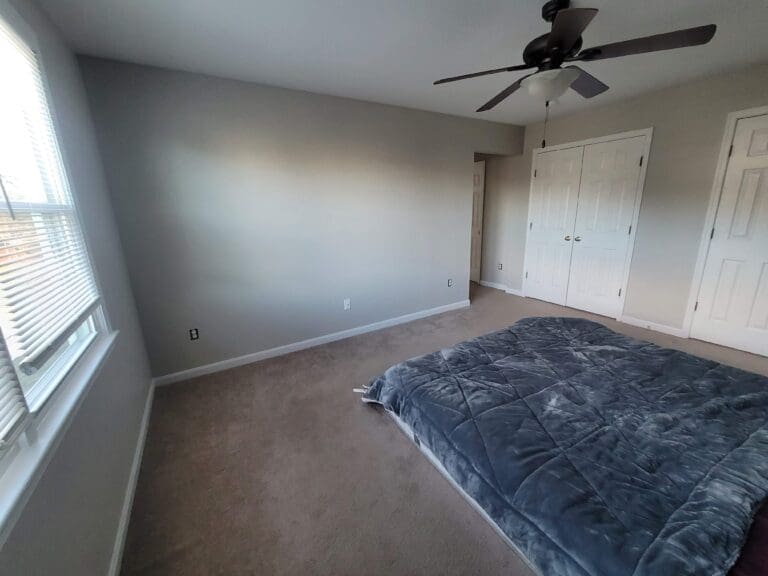
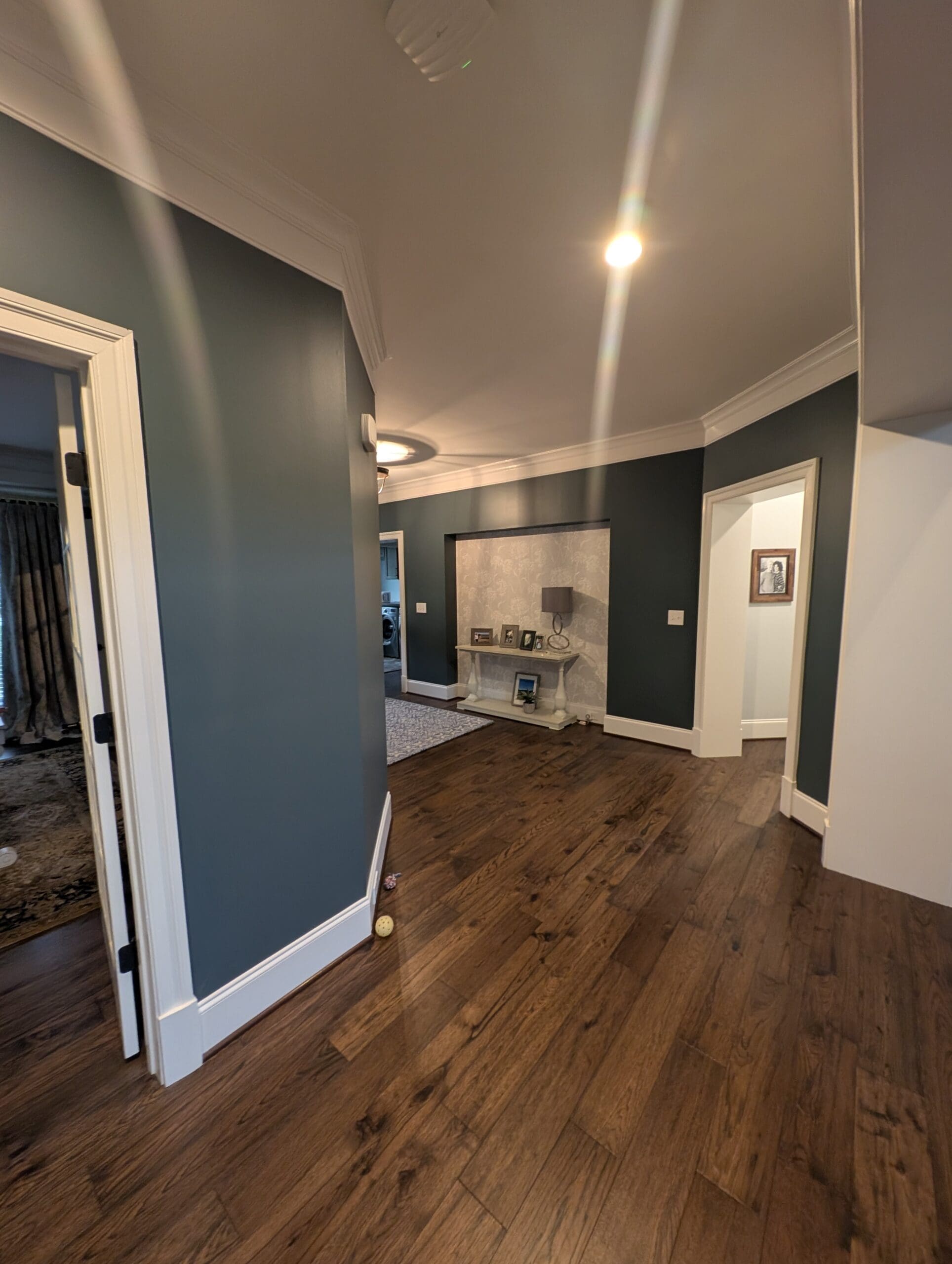
A full room repaint requires significant paint, preparation time, and labor. An accent wall delivers visual depth without the same level of effort or cost. One wall painted in a deeper or contrasting tone creates a focal point that anchors the entire room.
Living rooms benefit from a darker accent wall behind a television or fireplace. Bedrooms often look balanced with a bold color behind the headboard. Dining areas gain character when a rich color highlights the wall closest to the table.
Color selection plays an important role. Neutral rooms gain warmth with deep greens, navy blues, terracotta tones, or charcoal grays. Lighter spaces feel more open when soft sage, dusty blue, or muted clay colors are used instead.
Surface preparation still matters even with a single wall. Patch nail holes, sand rough spots, and apply primer when needed. Clean lines around trim and ceilings prevent the accent wall from looking unfinished.
A single gallon of paint often completes this type of project, making it one of the most affordable visual upgrades available.
Refresh Interior Doors for a Subtle but Noticeable Upgrade
Interior doors are often overlooked during home updates, yet they occupy a large visual area throughout a house. Repainting doors adds a refined, updated feel without repainting the entire room.
Standard white doors can look dated in certain homes. Soft gray, muted navy, matte black, or warm taupe doors bring a modern feel to hallways and bedrooms. The contrast between door color and wall color adds depth to otherwise simple spaces.
Semi-gloss or satin finishes work best for doors since they resist fingerprints and scuffs. Proper preparation includes light sanding, cleaning with degreaser, and applying a bonding primer when switching from oil-based to latex paint.
Removing the door from its hinges often produces a smoother finish, though careful brushing and rolling can still produce good results when painting in place.
Material costs stay low since doors require minimal paint. One quart of paint can cover multiple doors, making this an efficient upgrade.
Update Kitchen Cabinets Without Replacing Them
Kitchen renovations usually come with large budgets. Cabinet painting offers a cost-effective way to modernize the space without removing existing cabinetry.
Older kitchens often feature heavy wood tones or outdated finishes. Painting cabinets brightens the room and introduces a cleaner appearance. White, soft gray, and warm beige remain popular options for bright kitchens, while navy and forest green add depth in larger spaces.
Preparation determines the final result. Cabinets must be thoroughly cleaned to remove grease buildup, especially around handles and cooking areas. Sanding creates a surface that allows primer and paint to adhere properly.
High-quality cabinet paint provides a durable finish that resists wear from daily use. Spray application produces the smoothest result, though careful brush and roller work can still deliver a professional appearance.
Changing cabinet color alone often makes countertops, backsplashes, and appliances appear newer.
Use Paint to Create Wall Panels or Decorative Molding Effects
Architectural details add character to homes, yet installing real paneling or molding can become expensive. Paint offers a clever alternative that mimics the look of these features.
Painted wall panels work well in dining rooms, entryways, and bedrooms. The technique involves applying painter’s tape to outline rectangular or square shapes across a wall. The interior shapes receive a slightly darker or lighter shade than the base wall color.
Shadow lines created by the color contrast simulate the appearance of raised molding. Rooms instantly feel more custom without purchasing expensive trim materials.
Vertical painted stripes also create the illusion of taller ceilings. Horizontal color blocks make narrow spaces appear wider.
Precision during tape placement ensures clean edges. Removing tape while the paint remains slightly wet helps prevent peeling.
Revive Old Furniture with Paint
Furniture refinishing provides another opportunity to use paint creatively without major spending. Older dressers, nightstands, side tables, and chairs can look completely new with the right finish.
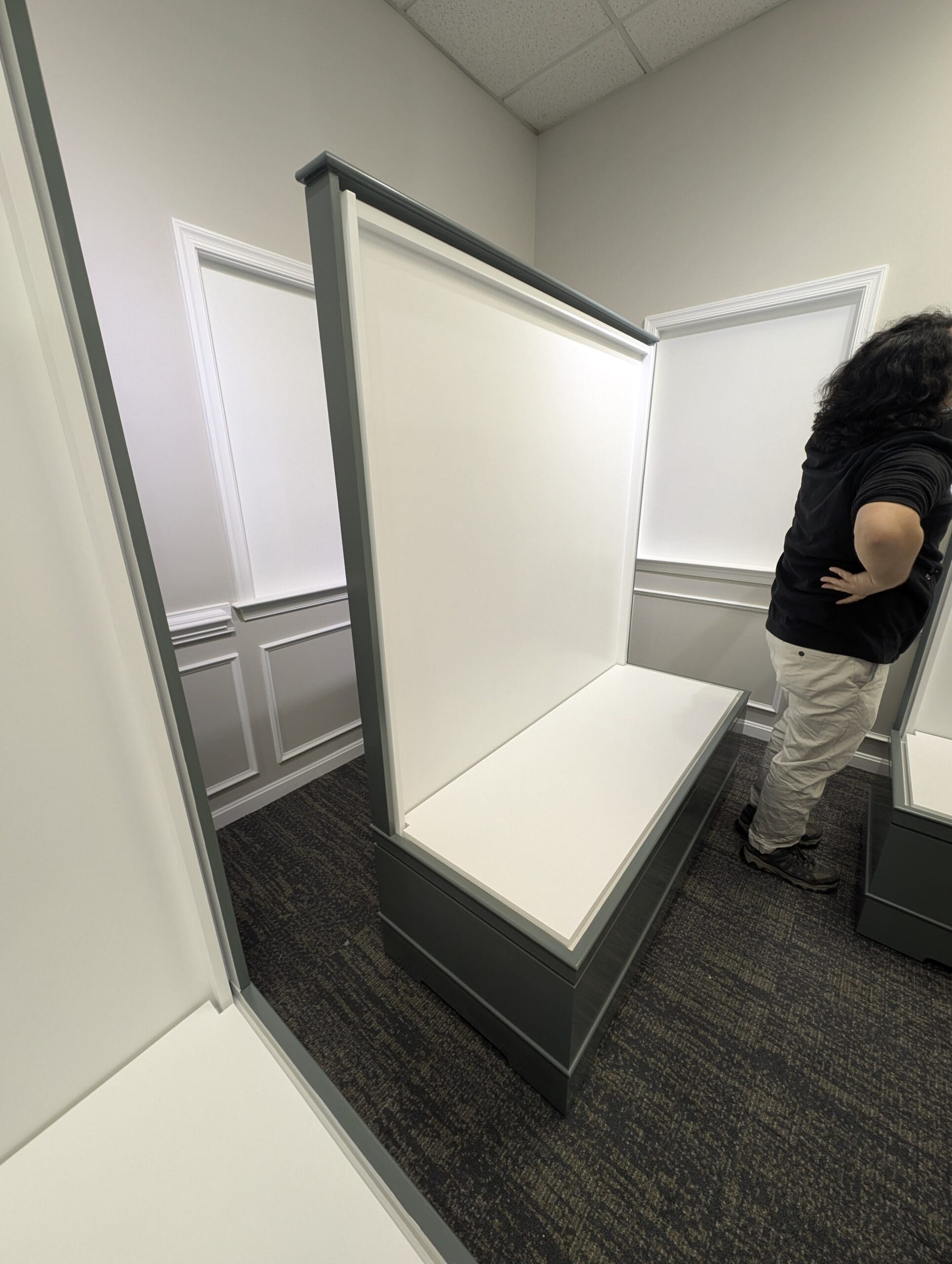
Chalk paint remains popular for furniture projects because it adheres well to many surfaces with minimal preparation. Matte finishes provide a vintage appearance, while satin finishes create a cleaner modern style.
Two-tone furniture designs are especially effective. Painting the frame one color and the drawers another adds visual interest. Neutral colors paired with wood tops produce balanced results.
Hardware updates also help. Replacing handles or knobs after painting can transform inexpensive pieces into stylish furniture.
Projects like these require small quantities of paint, keeping costs extremely low.
Repaint Trim and Baseboards for a Crisp Interior
Trim often collects scuffs and yellowing over time, especially in high-traffic areas. Repainting baseboards, window trim, and crown molding restores sharp contrast between walls and architectural details.
Bright white trim creates a clean border around rooms and helps wall colors appear richer. Homes with darker wall colors benefit from this contrast even more.
Satin or semi-gloss finishes provide durability for trim surfaces. Proper sanding removes old gloss and helps paint adhere evenly. Caulking small gaps between trim and walls improves the finished appearance.
This upgrade works well during seasonal home maintenance since the process requires little paint but produces noticeable improvement.
Paint the Front Door for Instant Curb Appeal
Exterior updates can feel expensive, yet one small change dramatically improves the look of a house: repainting the front door.
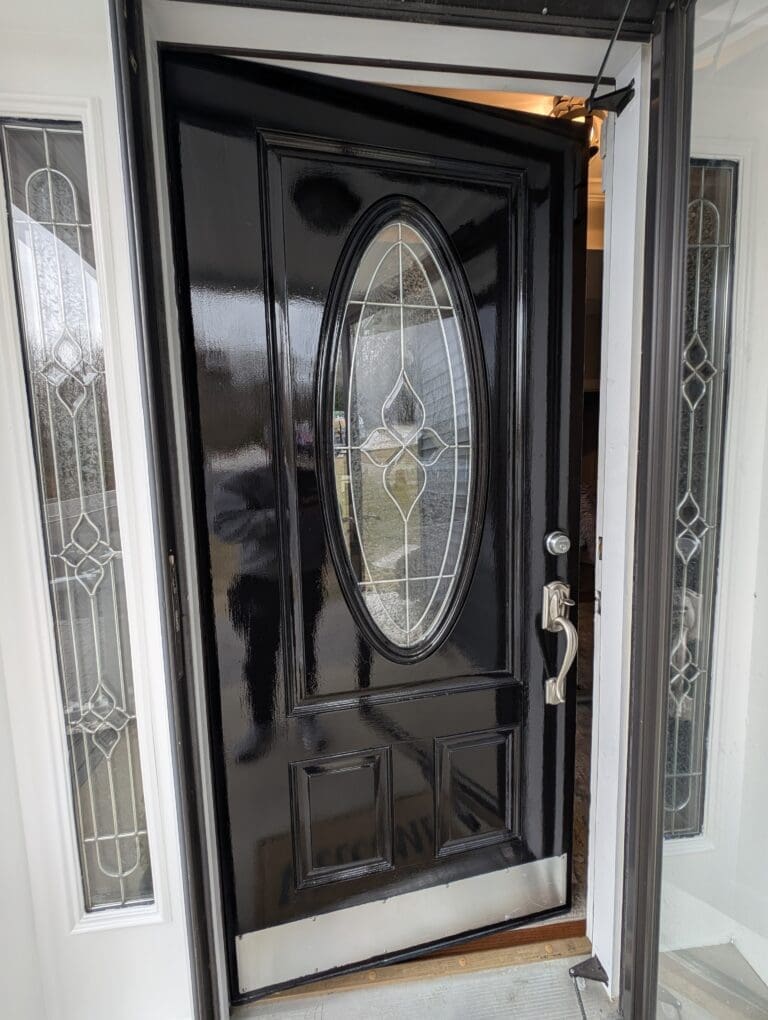
The front door acts as the focal point of a home’s exterior. A fresh coat of paint draws attention and creates a welcoming appearance. Bold colors often work best here since they highlight the entry.
Popular choices include deep red, charcoal black, navy blue, or rich green. Homes with neutral siding benefit from these stronger tones. Brighter homes sometimes look best with classic black or warm wood tones.
Weather-resistant exterior paint protects the door from sun exposure and moisture. Light sanding, cleaning, and priming ensure proper adhesion.
The entire project usually requires less than one quart of paint yet delivers noticeable curb appeal.
Add Painted Ceiling Accents
Ceilings are traditionally painted white, yet subtle color variations create a unique design feature. Soft ceiling tones help rooms feel more intentional without overwhelming the space.
Light blue ceilings add openness to bedrooms and bathrooms. Warm off-white tones bring comfort to living areas. Pale gray ceilings work well in modern interiors.
Tray ceilings and recessed ceilings benefit from two-tone designs. Painting the inner portion slightly darker creates depth.
Low ceilings may benefit from lighter shades than the walls, which helps the room appear taller.
Painting a ceiling requires more preparation to prevent drips, though the material cost remains minimal.
Try Color Blocking for a Modern Look
Color blocking uses geometric shapes or horizontal sections to add visual interest to a wall. This technique works especially well in modern interiors.
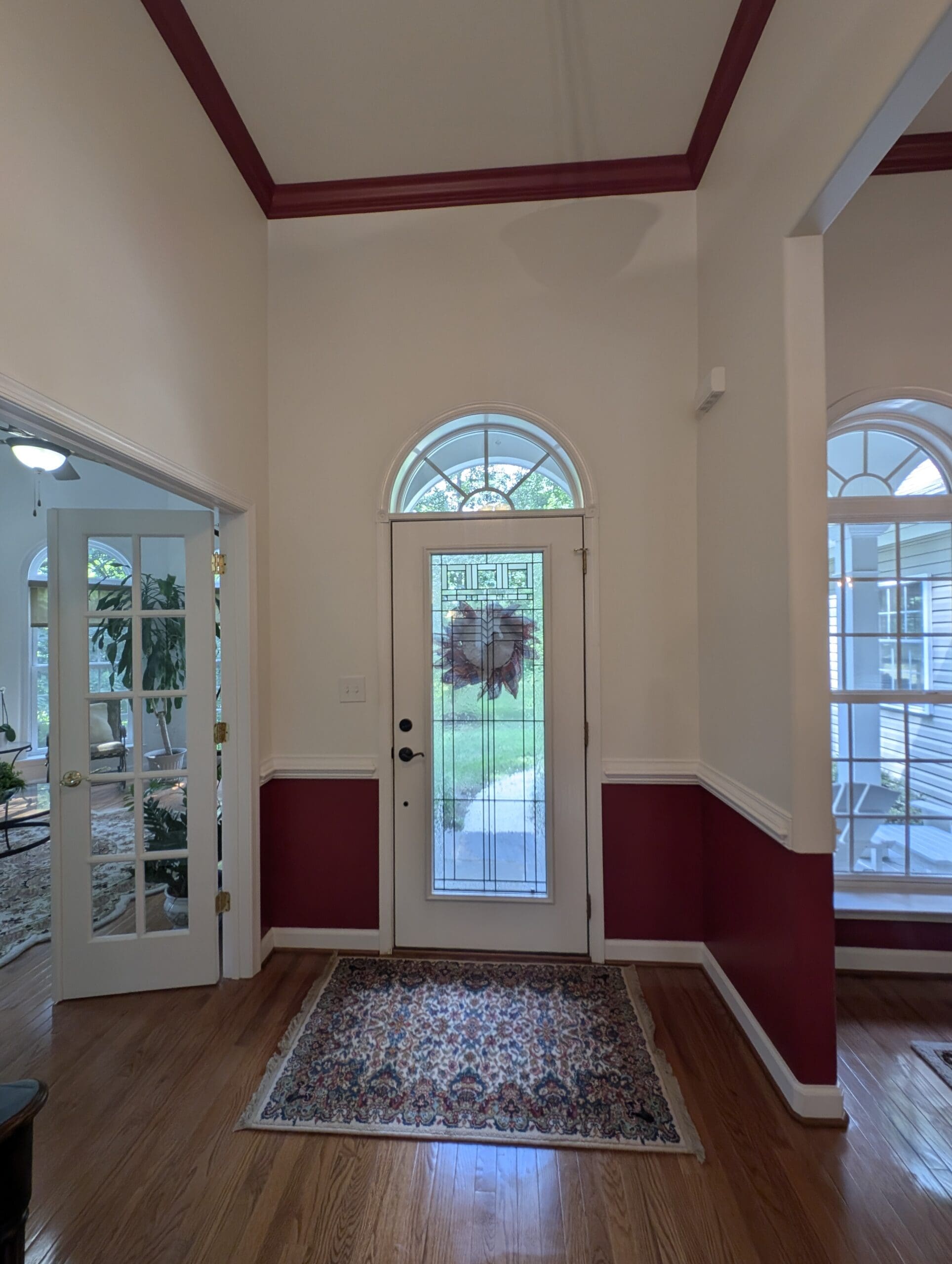
One common approach divides a wall horizontally, with the bottom portion painted a darker color and the top portion lighter. This style often appears in dining rooms, hallways, or children’s rooms.
Another method involves painting large rectangles or shapes behind furniture. A painted block behind a bed or sofa creates a custom focal area.
Precision with painter’s tape keeps edges crisp. Choosing colors within the same palette ensures the result looks balanced.
Only small quantities of paint are needed, which keeps the project affordable.
Refresh Outdoor Features with Paint
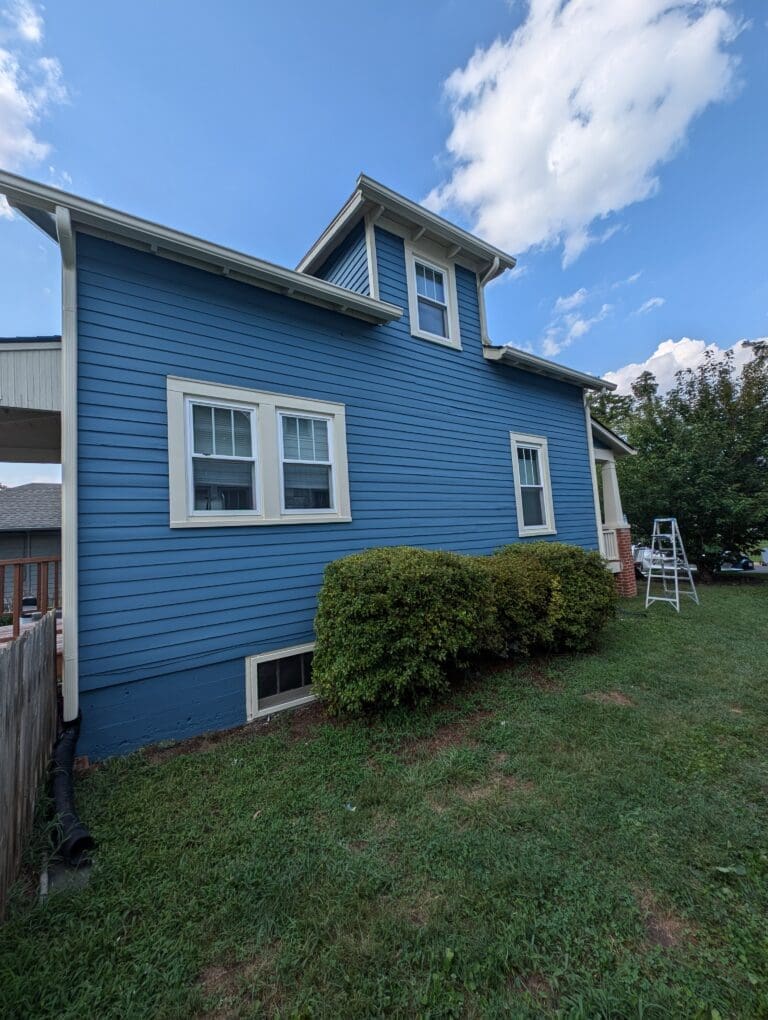
Exterior painting projects do not always require repainting the entire house. Smaller areas often provide a large visual return.
Porch railings, shutters, and garage doors respond well to fresh paint. These features experience heavy exposure to weather, so they tend to fade faster than siding.
Updating shutters with darker colors like black, deep green, or navy creates strong contrast against lighter siding. Porch railings painted crisp white instantly brighten entryways.
Garage doors painted to match trim rather than siding sometimes improve overall balance on the home’s exterior.
Exterior surfaces require proper cleaning, sanding, and priming before painting. Durable exterior paint ensures long-lasting results.
Stretch Your Budget with Smart Paint Choices
Budget painting projects still benefit from careful planning. Paint quality affects coverage, durability, and final appearance.
High-quality paint often covers surfaces in fewer coats, which reduces the amount of product needed. Cheap paint may require extra coats, ultimately increasing costs.
Neutral colors offer flexibility when furniture or décor changes later. Homes intended for resale usually benefit from warm neutral palettes that appeal to many buyers.
Test samples on walls before committing to full gallons. Lighting conditions change how colors appear throughout the day.
Proper preparation remains the most important factor for a good finish. Clean surfaces, patch imperfections, and use primer when necessary.
Final Thoughts
Paint remains one of the most powerful design tools available to homeowners. Small projects can dramatically shift how a space feels without requiring expensive remodeling work. Accent walls, cabinet updates, painted furniture, and refreshed trim provide noticeable improvements with modest investment.
Careful color selection and attention to preparation separate amateur results from professional-looking finishes. Many homeowners start with one small painting idea and gradually update additional areas once they see how much impact paint can create.
A fresh coat of paint continues to deliver one of the best returns on investment in home improvement, especially when creative ideas guide the project.