
Brick Limewash vs Paint: What Actually Works for Your Home
Brick has a character that’s hard to replicate. That natural variation, texture, and depth give a home a sense of permanence. Homeowners still want to refresh or modernize that look, and that’s where the decision between limewash and paint comes into play. Both options can completely transform brick, but they behave very differently over time.
Professional painters approach this choice carefully because it affects not just appearance, but also maintenance, durability, and how the brick itself ages. Alpha Painting LLC often helps homeowners navigate this decision early in the planning stage, especially when exterior longevity and curb appeal are top priorities.
Table of Contents
Understanding How Brick Behaves Before Choosing a Finish
Brick is not a flat, sealed surface like drywall or siding. It is porous and constantly interacts with moisture. Rain, humidity, and temperature changes all influence how moisture moves in and out of the material.
That detail matters more than most people realize. Any coating applied to brick either works with that natural process or fights against it. Paint tends to form a film over the surface, while limewash penetrates and becomes part of the brick.
Moisture control is the biggest factor behind long-term performance. A finish that traps water inside brick can lead to peeling, cracking, or even structural damage over time. A finish that allows the brick to breathe will age more naturally.
What Limewash Actually Is and How It Works
Limewash is a mineral-based coating made from crushed limestone that has been burned and mixed with water. That mixture creates a breathable, matte finish that bonds chemically with masonry.
Once applied, limewash doesn’t sit on top like paint. It soaks into the brick and hardens through a process called carbonation, essentially turning back into stone. That’s why it ages so differently compared to modern coatings.
Color variation is one of its defining characteristics. Coverage is never perfectly uniform, which creates a soft, weathered look. That variation can be controlled during application, but it’s always present to some degree.
Another important trait is permeability. Limewash allows moisture to escape, which helps preserve the integrity of older brick structures. That’s one reason it has been used for centuries across Europe and in historic buildings.
What Paint Does to Brick Over Time
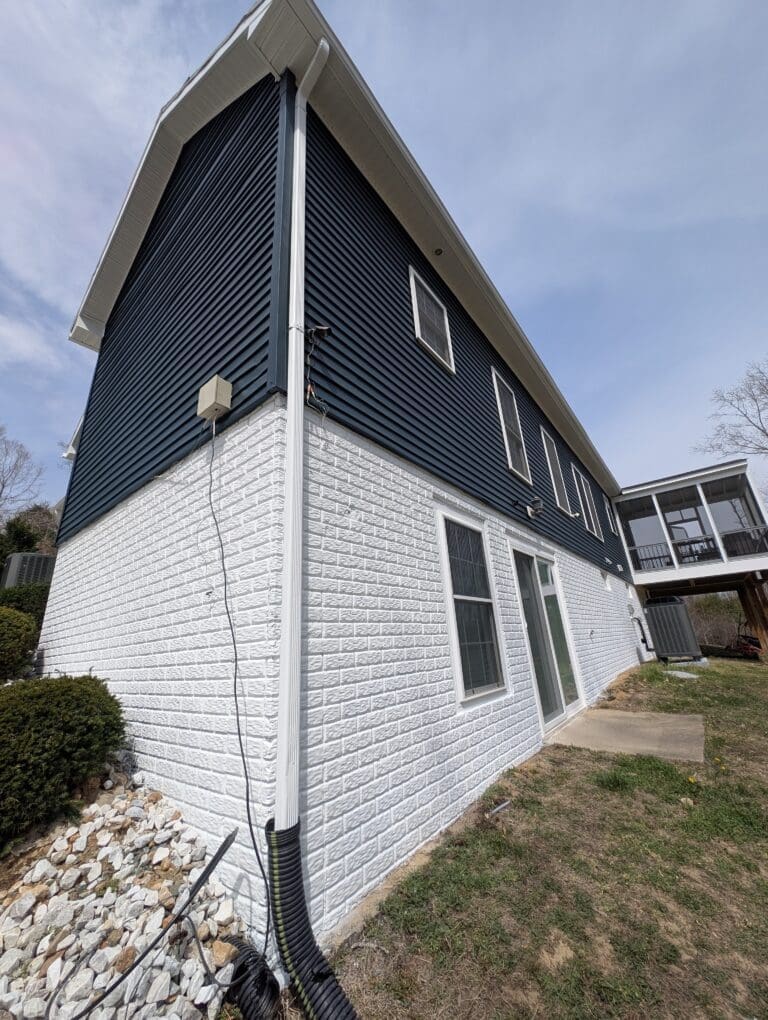
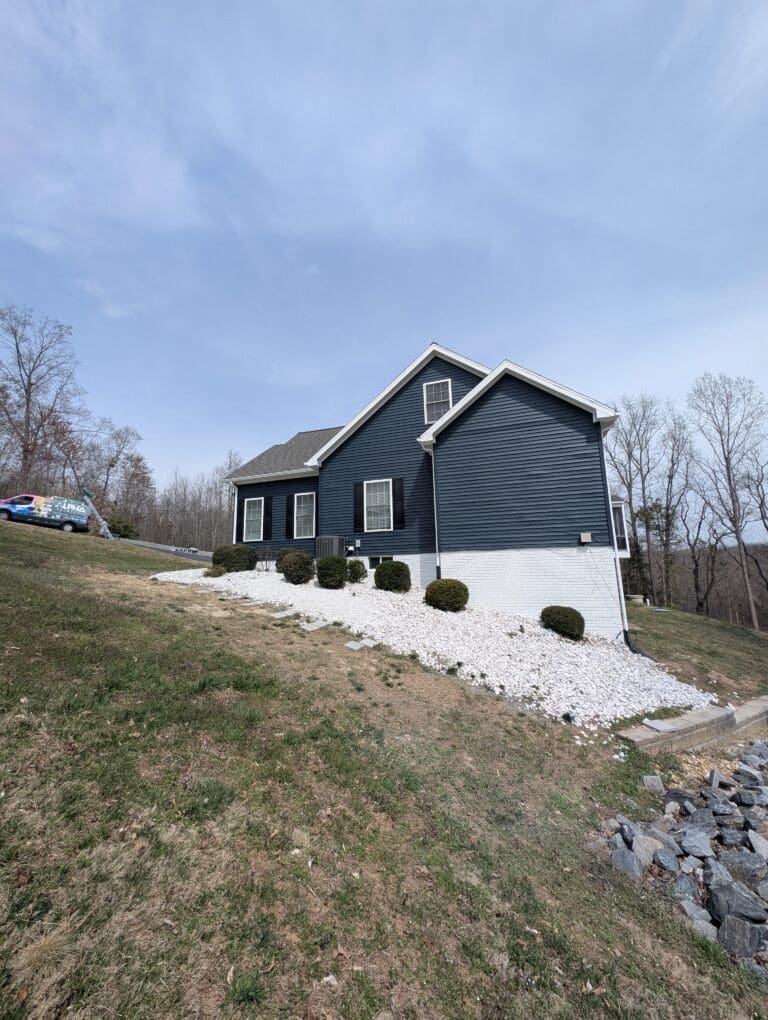
Paint creates a sealed layer over the brick surface. That can be appealing for homeowners who want a clean, consistent color without variation. It provides strong coverage and can dramatically modernize the look of a home.
Durability depends heavily on preparation and product quality. Masonry-specific paints are designed to adhere better and resist weathering, but they still function as a barrier. Over time, exposure to sun, rain, and temperature swings causes that barrier to expand and contract.
Peeling and flaking are common issues when moisture becomes trapped behind the paint layer. Once that process starts, maintenance becomes ongoing. Repainting or stripping may be required every several years, depending on climate and exposure.
Paint also permanently alters the brick. Removing it later is difficult and sometimes impossible without damaging the surface. That’s a major consideration for homeowners who value the original material.
Visual Differences Between Limewash and Paint
Appearance often drives the decision, and the difference between these two finishes is noticeable from the street.
Limewash delivers a soft, aged effect. It highlights the natural texture of the brick rather than hiding it. Subtle color shifts and variations give the surface depth, especially under changing light conditions.
Paint creates a more uniform and solid look. It can make older brick appear new and clean, which works well for modern design styles. That consistency, however, can also flatten the natural character of the material.
Design goals matter here. A homeowner aiming for a historic or European aesthetic will usually prefer limewash. Someone looking for a bold, contemporary exterior often leans toward paint.
Durability and Maintenance Expectations
Limewash ages differently than paint, and that aging process is part of its appeal. It doesn’t peel or chip because it isn’t sitting on the surface. Instead, it gradually fades and wears away over time.
Reapplication is straightforward. Additional coats can be applied without extensive surface preparation, which makes long-term maintenance less labor-intensive.
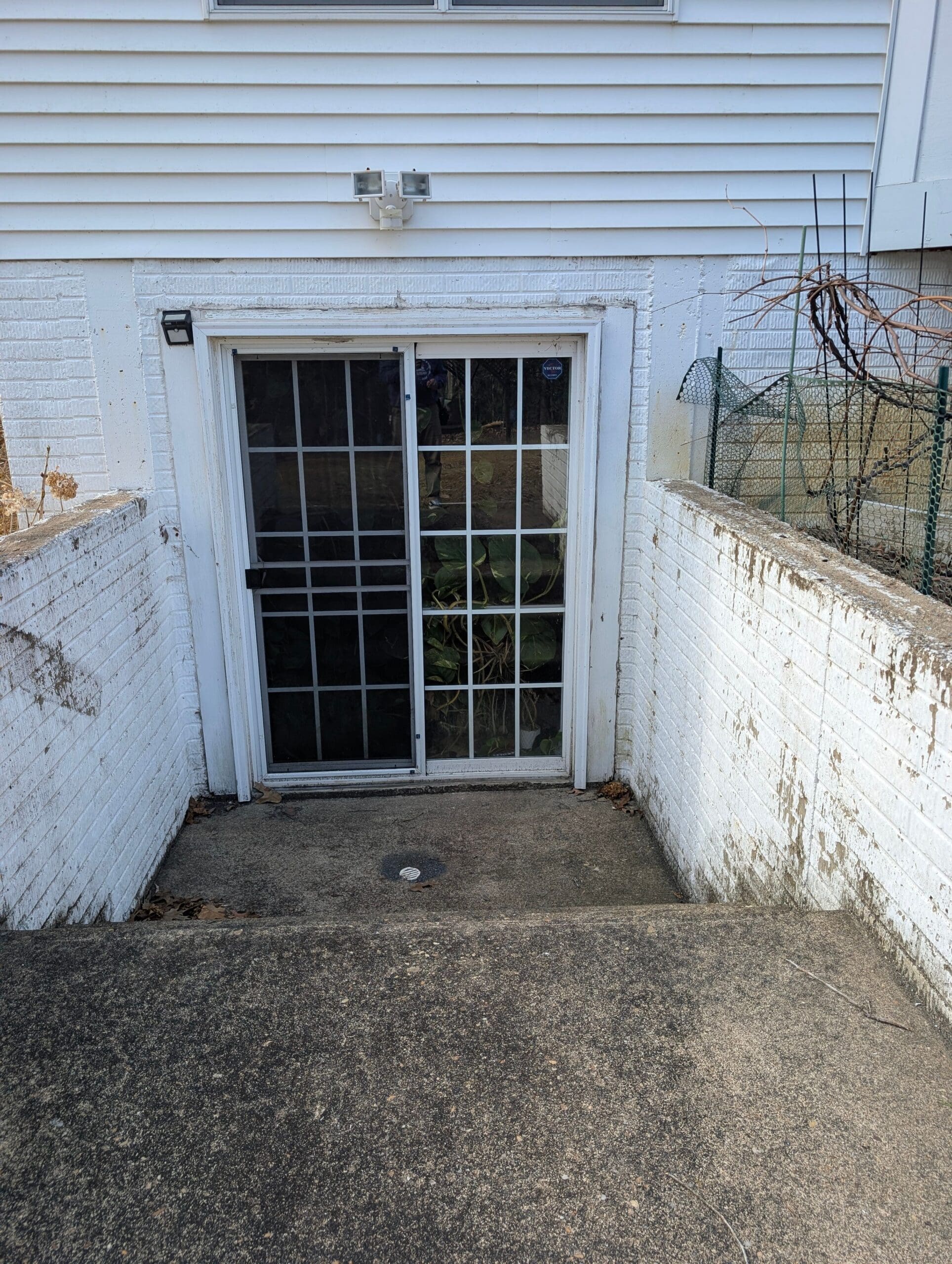
Paint requires more upkeep. Once it starts to fail, the surface often needs scraping, priming, and repainting. That cycle repeats over the life of the home.
Climate plays a role here. Areas with high humidity or frequent rain can accelerate paint failure on brick, while limewash tends to handle those conditions more naturally due to its breathability.
Moisture Management and Structural Impact
Moisture is the hidden factor that separates these two options.
Brick naturally absorbs water and releases it as conditions change. Limewash allows that process to continue without restriction. That helps prevent internal moisture buildup and reduces the risk of freeze-thaw damage in colder climates.
Paint interrupts that cycle. Water can still enter through cracks or unsealed areas, but it has a harder time escaping. That trapped moisture can lead to bubbling, peeling, and deterioration beneath the surface.
Older homes are especially sensitive to this issue. Historic brick was often softer and more porous than modern materials, making breathable coatings like limewash a safer choice.
Application Process and Skill Level
Limewash requires a different approach compared to standard painting. Surface preparation is still important, but the application itself involves layering and sometimes manipulating the finish while it’s still wet.
Achieving the right balance of coverage and variation takes experience. Too much consistency can make it look like paint, while too little can appear unfinished.
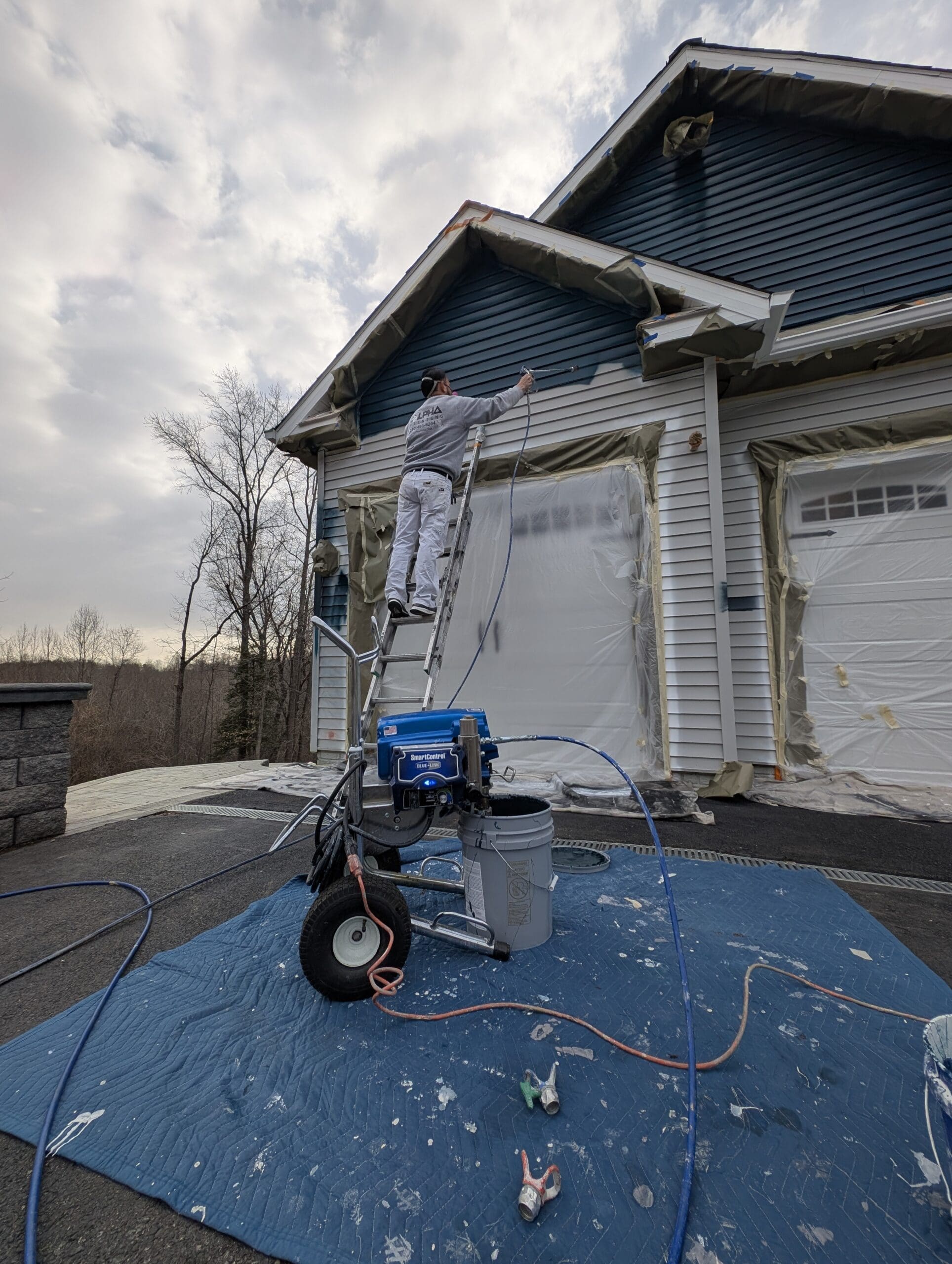
Paint application is more familiar to most contractors. Cleaning, priming, and applying even coats are straightforward processes when done correctly. Consistency is easier to achieve, but preparation must be thorough to ensure adhesion.
Professional application matters for both options. Mistakes with paint can lead to early failure, while poor limewash technique can result in uneven or unintended results.
Cost Considerations Over Time
Initial cost differences between limewash and paint are not always dramatic, but long-term costs can vary.
Limewash often requires specialized materials and skilled labor, which can increase upfront expense slightly. Maintenance costs tend to be lower because reapplication is simpler and less frequent.
Paint may be less expensive initially, depending on the product and labor involved. Maintenance cycles, however, can add up over time due to repainting and surface repairs.
Homeowners planning to stay in their property for many years should consider lifecycle cost rather than just the initial price.
When Limewash Makes the Most Sense
Limewash is a strong choice for homeowners who appreciate natural texture and aging. It works particularly well on older brick homes where preserving material integrity is important.
Breathability is a major advantage in humid or variable climates. Homes exposed to frequent moisture benefit from a finish that allows the brick to dry naturally.
Design-wise, limewash fits styles that embrace character and subtle variation. Farmhouse, cottage, and traditional architecture all pair well with this finish.
When Paint Might Be the Better Option
Paint makes sense when a uniform, bold look is the goal. It offers more color options and the ability to completely change the appearance of a home.
Newer brick that is dense and less porous can handle paint more effectively than older materials. Proper preparation and high-quality masonry paint are essential for durability.
Homeowners who prefer a polished, modern exterior often choose paint for its clean lines and consistent finish.
Final Thoughts
Choosing between limewash and paint comes down to priorities. Appearance is part of it, but performance and maintenance carry equal weight.
Limewash works with the natural properties of brick, offering breathability and a timeless look that evolves gradually. Paint delivers a controlled, uniform finish but requires ongoing maintenance and careful moisture management.
A thoughtful evaluation of the home’s age, climate exposure, and design goals leads to the right decision. Skilled application plays a major role in how either option performs, so working with experienced professionals ensures the result matches expectations.