
How to Repaint a Fence: A Practical Guide From a Painting Professional
A fence does more than mark a boundary. It frames your property, adds character, and takes the brunt of weather year-round. Sun, moisture, and temperature swings slowly break down even the best finishes, leaving wood exposed and vulnerable. Repainting a fence is not just about refreshing its appearance; it’s about protecting the material underneath and extending its life.
Many homeowners start this project with good intentions but run into issues like peeling paint, uneven coverage, or premature failure. Proper preparation and method make all the difference. Alpha Painting LLC often steps in to fix fence jobs that skipped critical prep work, which is why getting the process right from the beginning matters.
Table of Contents
Understanding the Condition of Your Fence Before You Start
Every repainting job should begin with a careful look at the current condition of the fence. Paint failure doesn’t happen randomly. Peeling, cracking, or discoloration usually points to underlying issues like moisture retention, UV damage, or poor adhesion from the previous coating.
Walk the full length of the fence and pay attention to problem areas. Sections close to the ground often show more wear due to moisture exposure. South-facing sides typically fade faster due to sun exposure. If you notice soft or rotting wood, repainting alone won’t solve the issue. Damaged boards should be replaced before any coating is applied.
Previous coatings also matter. A fence that has been stained behaves differently than one that has been painted. Paint sits on the surface, while stain penetrates the wood. Switching between the two requires additional prep work, especially if you’re moving from stain to paint.
Cleaning the Surface the Right Way
A clean surface sets the foundation for a durable finish. Dirt, mildew, and chalky residue prevent paint from bonding properly. Skipping this step almost guarantees early peeling.
Pressure washing is one of the most effective ways to clean a fence, but it must be done carefully. Too much pressure can damage wood fibers, leaving a rough surface that absorbs paint unevenly. A moderate setting combined with a wide spray tip works best.
For fences with mildew or algae, a cleaning solution designed for exterior wood is necessary. Let the solution sit long enough to break down contaminants before rinsing thoroughly. Rushing this step leaves behind residue that interferes with adhesion.
Drying time is just as important as cleaning. Wood needs to dry completely before moving forward. Depending on weather conditions, this can take anywhere from 24 to 48 hours. Painting over damp wood traps moisture, which leads to bubbling and peeling later.
Removing Old Paint and Smoothing the Surface
Loose or flaking paint must be removed before applying a new coat. Painting over failing layers only hides the problem temporarily. Once the new paint starts to bond with the loose material underneath, it will fail as well.
Scraping is the most direct method for removing peeling paint. A sharp paint scraper allows you to lift away weak areas without damaging the wood. Sanding follows scraping and helps create a smooth, even surface. This step also feathers the edges where old paint meets bare wood, preventing visible lines after repainting.
Power sanding can speed up the process on larger fences, but hand sanding is often needed for tight areas and corners. The goal is not to strip every inch of old paint but to remove anything that isn’t firmly attached.
Dust removal is often overlooked. After sanding, wipe down the surface or use a blower to remove debris. Paint applied over dust won’t adhere properly.
Repairing and Preparing the Fence for Paint
Small cracks, nail holes, and surface imperfections should be addressed before painting. Exterior wood filler works well for minor repairs and creates a uniform surface once sanded.
Check for loose nails or screws and secure them. Movement in the fence can cause paint to crack over time. Tightening everything up before painting reduces that risk.
Priming plays a major role, especially on bare wood or repaired areas. Primer seals the surface, improves adhesion, and ensures consistent color coverage. Skipping primer might save time initially but often leads to uneven results and reduced durability.
Choose a primer designed for exterior wood. Oil-based primers offer excellent sealing properties, while high-quality acrylic primers provide flexibility and easier cleanup. The choice often depends on the type of paint you plan to use.
Choosing the Right Paint or Stain
Not all coatings perform the same, especially outdoors. The choice between paint and stain depends on the look you want and the level of maintenance you’re willing to commit to.
Paint creates a solid, uniform finish that completely covers the wood grain. It offers strong protection against UV rays and moisture but requires more prep work and maintenance over time.
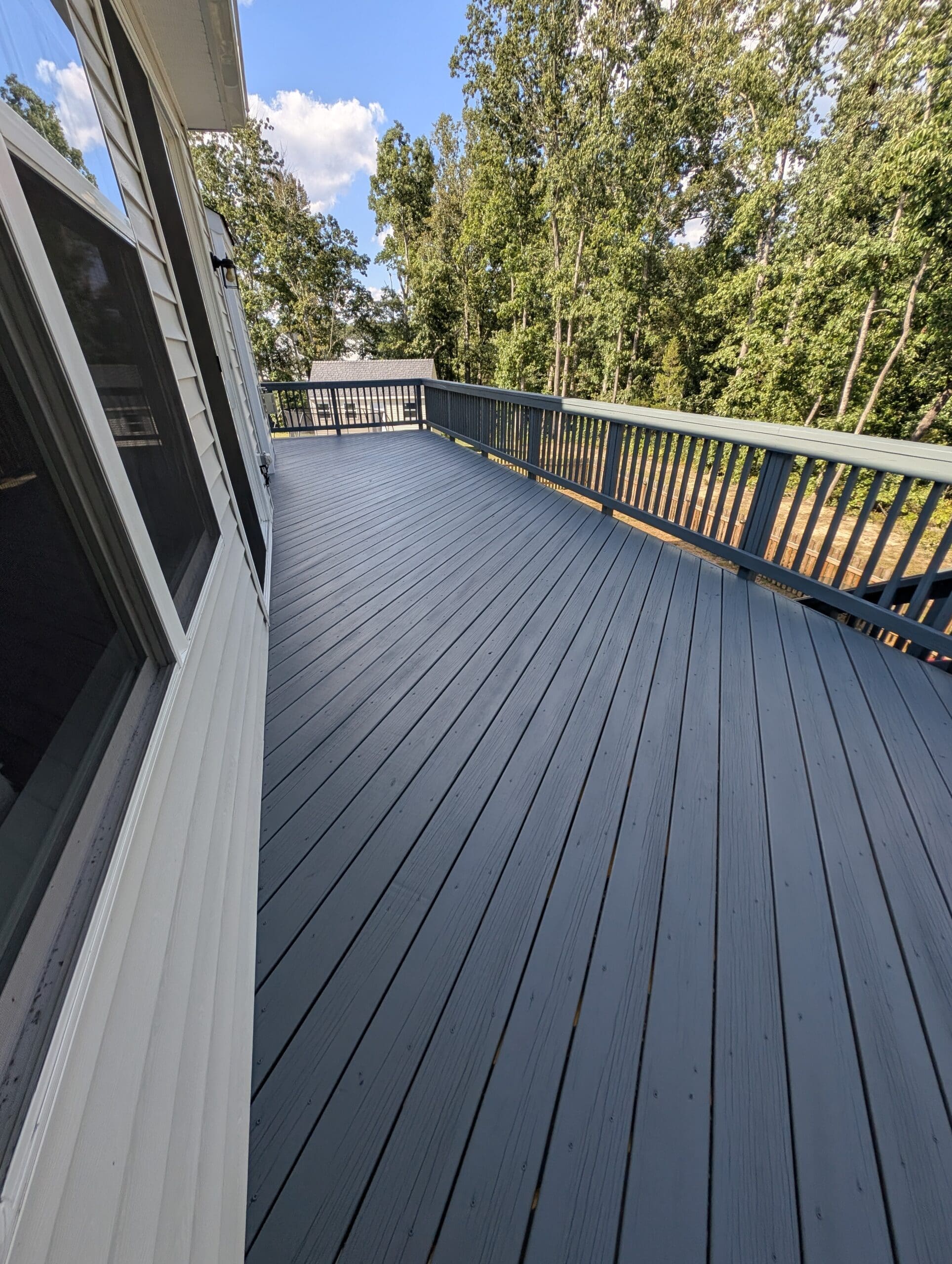
Stain, on the other hand, enhances the natural look of the wood. Semi-transparent stains allow the grain to show through, while solid stains provide more coverage and protection. Stains generally penetrate the wood, making them less prone to peeling, but they may need more frequent reapplication.
Quality matters more than anything here. A premium exterior paint or stain lasts longer, resists fading, and handles weather conditions better. Cutting corners on materials often leads to more frequent repainting.
Applying the Paint for a Professional Finish
Application technique has a direct impact on how the finished fence looks and performs. Brush, roller, and sprayer each have their place, and the best choice often depends on the size and style of the fence.
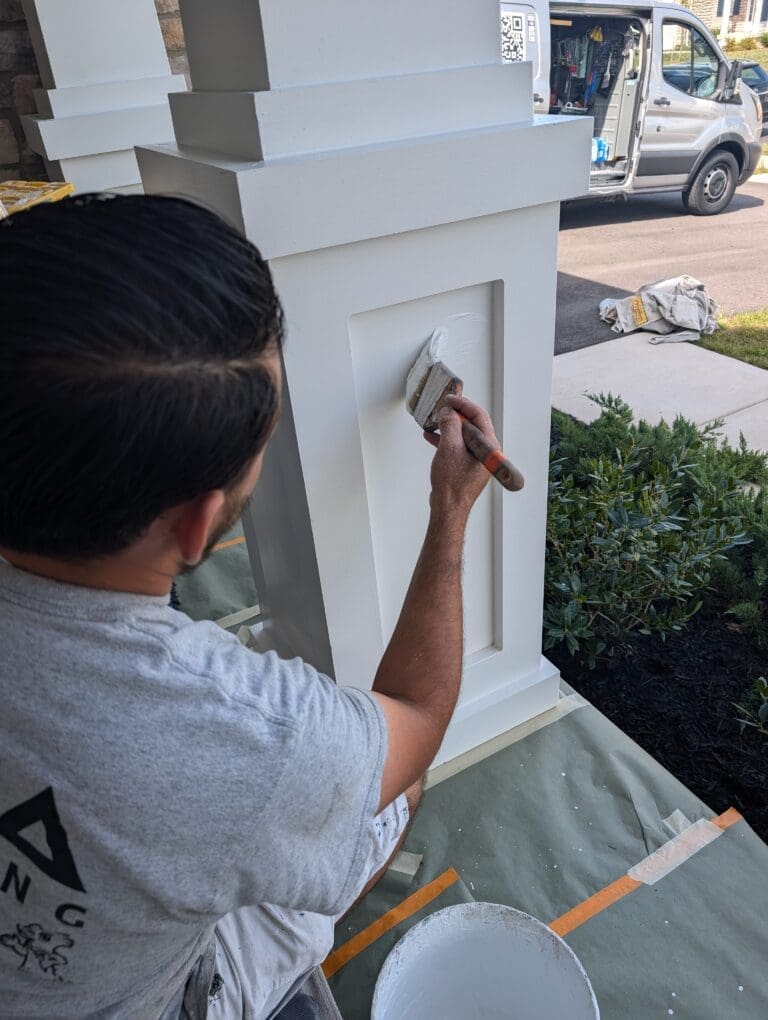
Brushing works well for detailed areas and ensures paint is worked into the wood grain. Rolling can speed up the process on flat surfaces but may miss crevices. Spraying offers the fastest coverage and a smooth finish, though it requires careful masking and back-brushing to ensure proper penetration.
Thin, even coats outperform thick ones. Heavy application may seem efficient, but it often leads to drips, uneven drying, and reduced durability. Two coats typically provide the best balance of coverage and protection.
Weather conditions during application matter more than most realize. Extreme heat causes paint to dry too quickly, preventing proper leveling. High humidity slows drying and can affect adhesion. Mild, dry conditions are ideal for exterior painting.
Paying Attention to Drying and Curing Time
Drying and curing are not the same. Paint may feel dry to the touch within hours, but full curing takes longer. During this period, the coating hardens and reaches its maximum durability.
Avoid heavy contact with the fence until it has fully cured. Leaning objects against it or exposing it to moisture too soon can damage the finish. Following the manufacturer’s recommended drying and curing times ensures the paint performs as intended.
Long-Term Maintenance After Repainting
A freshly painted fence still needs regular care to stay in good condition. Dirt buildup, moisture exposure, and sun damage continue even after repainting.
Periodic cleaning helps maintain appearance and prevents contaminants from breaking down the coating. A simple rinse or gentle wash every few months goes a long way.
Inspect the fence annually for early signs of wear. Addressing small issues like chips or cracks early prevents larger problems later. Touch-ups are far easier than full repainting.
Vegetation around the fence should also be managed. Plants and shrubs trap moisture against the wood, accelerating deterioration. Keeping a small gap between the fence and surrounding greenery improves airflow and reduces moisture retention.
Common Mistakes That Shorten the Life of a Fence Paint Job
Skipping preparation stands out as the most common mistake. Paint needs a clean, stable surface to adhere properly. Rushing through cleaning or sanding leads to early failure.
Using the wrong type of paint or applying it under poor weather conditions also causes problems. Exterior coatings are designed for specific environments, and ignoring those guidelines affects performance.
Applying paint too thickly creates more issues than it solves. Thick layers don’t cure properly and are more likely to crack or peel over time.
Ignoring drying times between coats can trap solvents and moisture, weakening the finish. Patience during application pays off with longer-lasting results.
Final Thoughts
Repainting a fence requires more than just a brush and a can of paint. Each step builds on the one before it, and skipping any part of the process reduces the quality and longevity of the result. Proper cleaning, preparation, and application create a finish that not only looks good but also protects the fence for years.
A well-painted fence adds structure and visual appeal to any property. With the right approach, it becomes a long-term investment rather than a recurring chore.