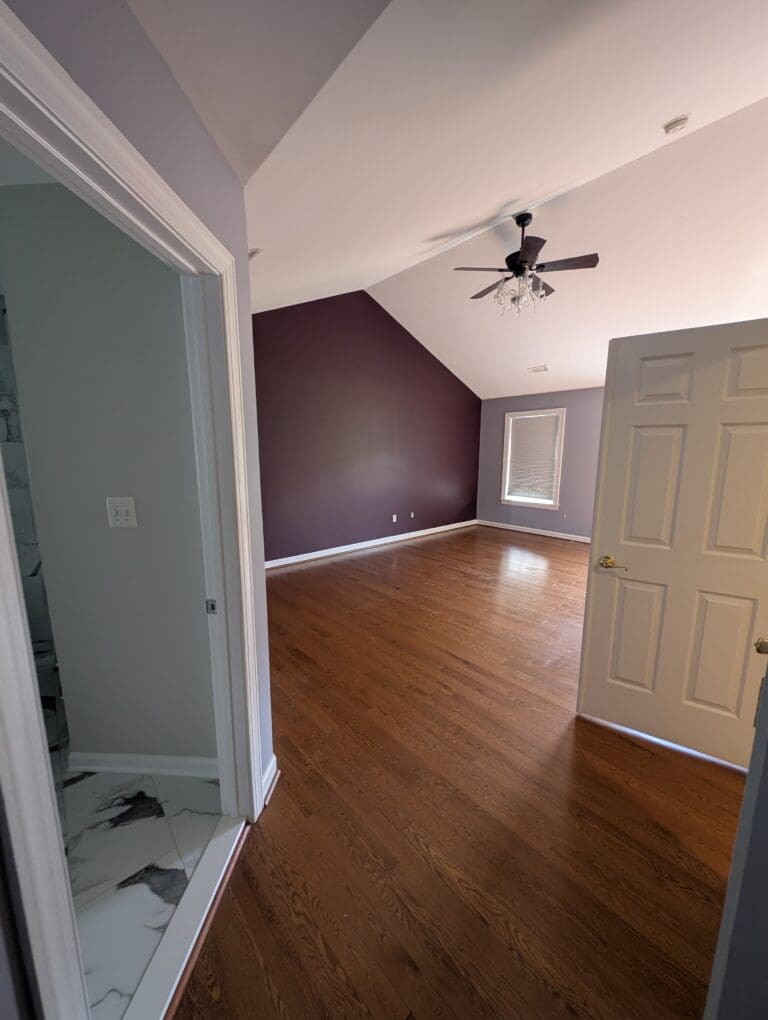

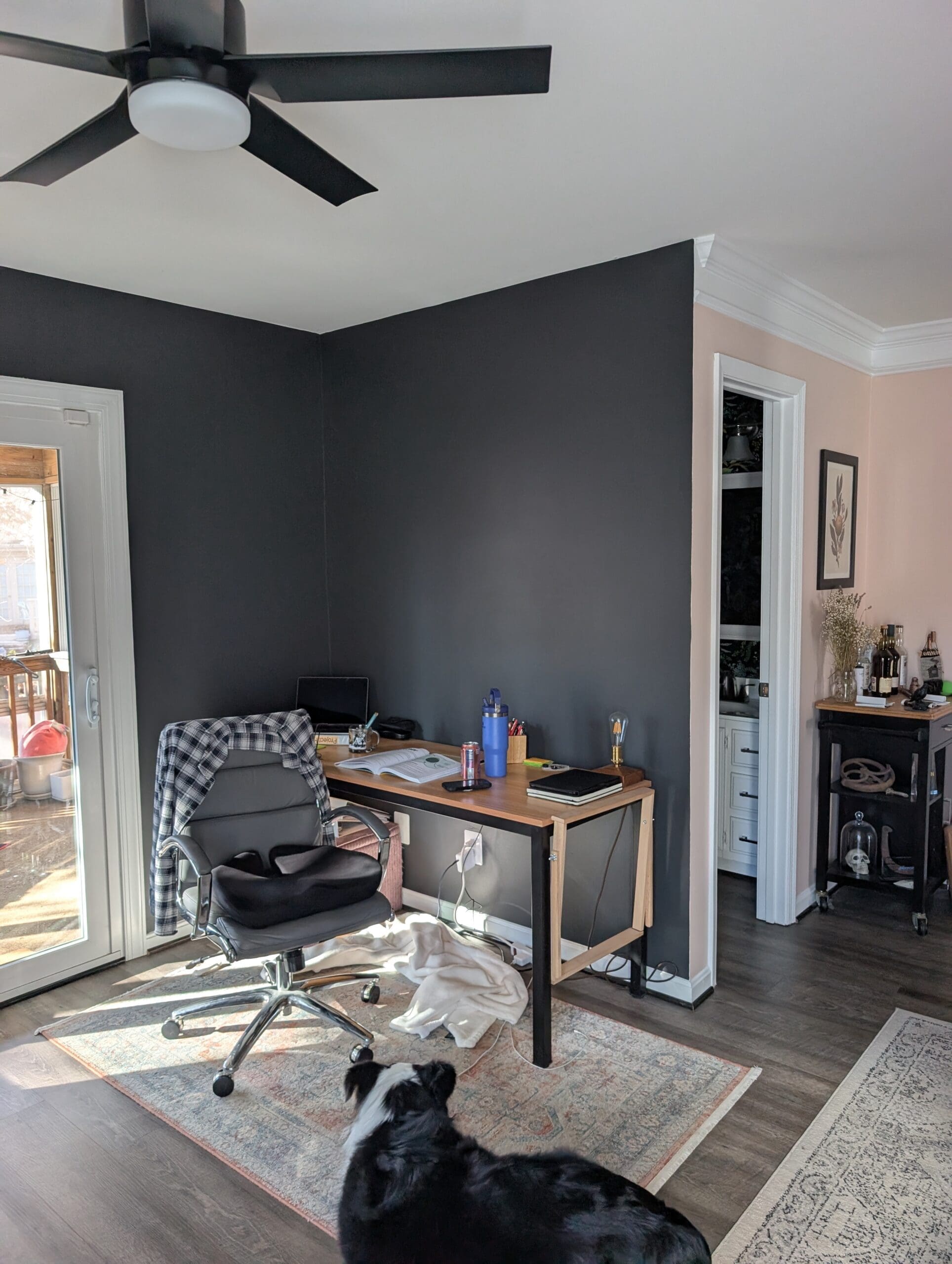
Eco-Friendly Paint Options for Your Home: A Practical Guide from a Painting Professional
Air quality, durability, and long-term performance matter just as much as color when planning a paint project. Modern homeowners are paying closer attention to what goes on their walls, and for good reason. Paint affects indoor air, surface longevity, and even how often you need to repaint. Eco-friendly paint options offer a smarter approach without sacrificing finish or performance.
Professional painters see firsthand how different coatings behave over time. Some products look great on day one but release strong odors or degrade faster. Others maintain color, resist wear, and support a healthier living environment. Alpha Painting LLC works with a range of coatings and has seen the difference that high-quality, low-impact products can make in both residential and commercial settings.
Table of Contents
What Makes Paint Eco-Friendly?
Eco-friendly paint isn’t just about a label or marketing claim. It comes down to the ingredients and how they interact with your home environment. Traditional paints often contain high levels of volatile organic compounds, known as VOCs. These chemicals evaporate into the air as paint dries, contributing to indoor air pollution and lingering odors.
Low-VOC and zero-VOC paints reduce or eliminate these emissions. That change improves indoor air quality significantly, especially in spaces with limited ventilation. Bedrooms, nurseries, and living areas benefit the most from these formulations. Paints with fewer synthetic additives also tend to produce less harsh odor during application, which makes the process more comfortable for homeowners and painters alike.
Natural paints take things a step further by using ingredients like clay, lime, plant oils, and natural pigments. These products avoid synthetic binders and preservatives, which can appeal to homeowners seeking the most environmentally conscious option available.
Low-VOC vs Zero-VOC: What’s the Real Difference?
Many homeowners assume low-VOC and zero-VOC paints are identical. That’s not the case, and the distinction matters when selecting the right product.
Low-VOC paints contain a reduced amount of volatile organic compounds, typically below 50 grams per liter. These paints still offer excellent coverage and durability, making them a practical choice for most interior and exterior projects. They strike a balance between performance and environmental responsibility.
Zero-VOC paints contain little to no measurable VOCs in their base formula. Some colorants added at the store may introduce a small amount of VOCs, so the final product might not be completely VOC-free. Still, these paints remain one of the safest options for indoor air quality.
Professional experience shows that premium low-VOC paints often outperform cheaper zero-VOC options in durability and finish quality. Product selection matters more than the label alone.
Natural Paints and Mineral-Based Finishes
Natural paints offer a different approach altogether. Clay-based paints provide a soft, matte finish that works beautifully in low-traffic areas. Limewash creates a textured, breathable surface that ages gracefully and resists mold growth. Silicate mineral paints bond chemically with masonry surfaces, making them extremely durable for exterior applications.
Each of these finishes requires proper surface preparation and application technique. Limewash, for example, needs a porous surface to adhere properly. Clay paint may not handle heavy scrubbing, which makes it less suitable for kitchens or hallways. A skilled painter understands these limitations and matches the product to the environment.
Durability often surprises homeowners with mineral-based coatings. When applied correctly, they can last significantly longer than conventional latex paint, especially on exterior surfaces exposed to moisture and sunlight.
Performance and Durability Considerations
Eco-friendly paint has come a long way in terms of performance. Early versions struggled with coverage and washability, but modern formulations compete directly with traditional paints.
High-quality low-VOC paints offer strong adhesion, smooth leveling, and excellent color retention. Many also include mildew-resistant properties, which is critical in humid areas like bathrooms and basements. Exterior eco-friendly paints now include UV resistance and flexible coatings that expand and contract with temperature changes.
Surface preparation remains the most important factor regardless of paint type. Clean, properly primed surfaces ensure that eco-friendly paints perform at their best. Skipping prep work leads to premature failure, no matter how advanced the coating might be.
Choosing the Right Finish for Each Space
Different rooms place different demands on paint. Kitchens and bathrooms need moisture resistance and easy cleaning. Living rooms and bedrooms prioritize appearance and air quality. Exterior surfaces must handle weather, temperature swings, and UV exposure.
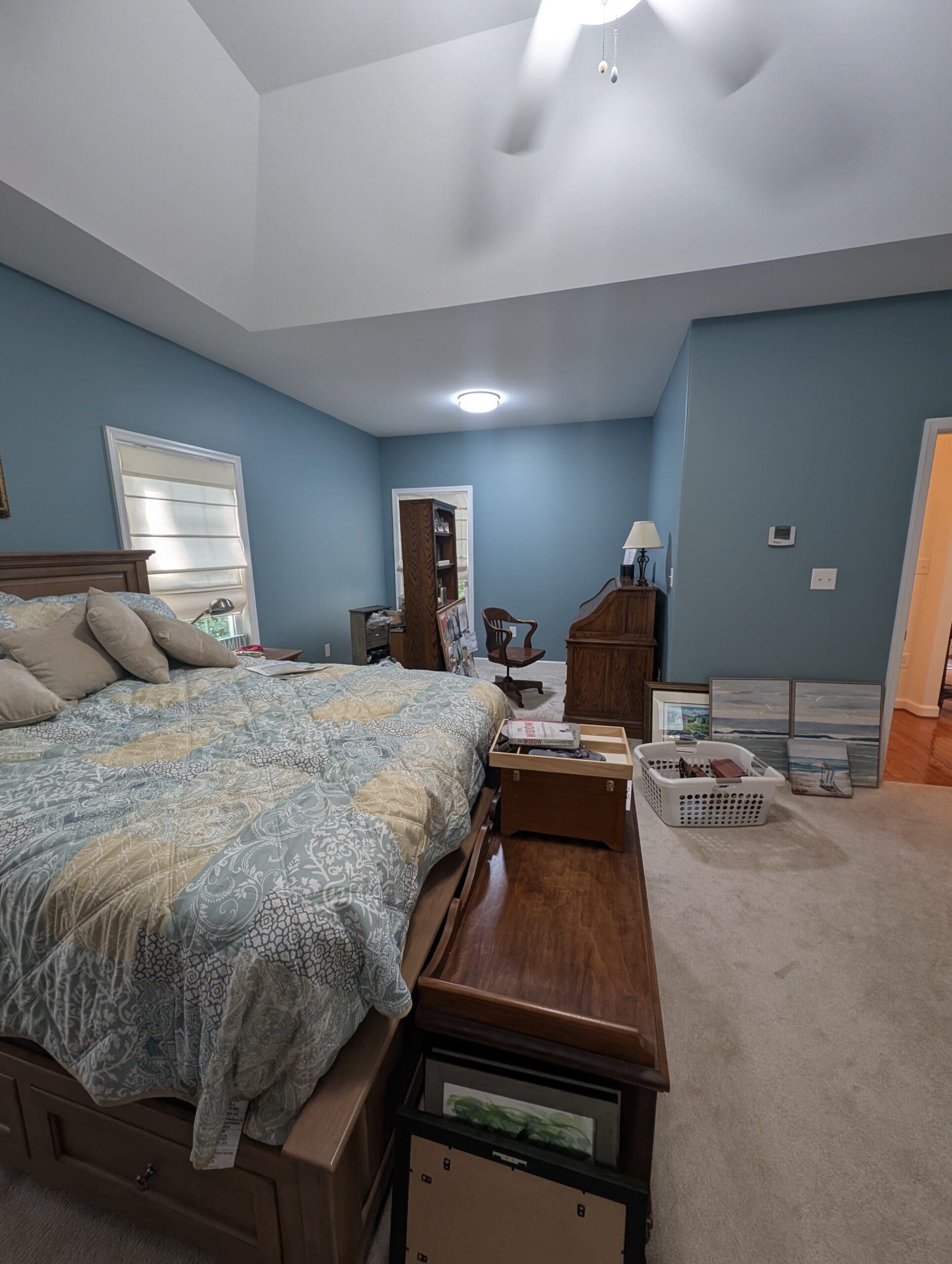
Eggshell and satin finishes work well for most interior walls, offering a balance between durability and appearance. Semi-gloss finishes suit trim, doors, and cabinets where frequent cleaning is required. Matte finishes hide imperfections but may not hold up to heavy use.
Eco-friendly options exist across all these finish levels. Product selection should align with how the space is used rather than focusing solely on environmental claims.
Color Selection and Pigments
Color plays a larger role than many homeowners expect. Some pigments contain trace chemicals that can affect the overall VOC level of the paint. Darker and more vibrant colors may require additional tinting, which can slightly increase emissions.
Manufacturers have improved their tinting systems to minimize this impact. Many brands now offer low-VOC colorants that maintain the integrity of eco-friendly paint bases. Working with a knowledgeable supplier helps ensure that your final color choice stays within your environmental goals.
Natural paints often use mineral or plant-based pigments. These create unique, earthy tones that differ from the uniform appearance of synthetic colors. That aesthetic appeals to homeowners looking for a more organic feel.
Application Techniques That Matter
Eco-friendly paints respond differently during application. Some dry faster, while others require specific humidity or temperature conditions. Professional painters adjust their techniques to match the product.
Brush and roller selection plays a role in achieving a smooth finish. High-quality tools reduce streaking and improve coverage, which is especially important with low-VOC paints that may have a slightly different consistency than traditional coatings.
Ventilation still matters even with zero-VOC products. Proper airflow helps paint cure correctly and ensures the best final result. Opening windows, using fans, and maintaining steady temperatures all contribute to a successful project.
Cost vs Long-Term Value
Eco-friendly paints often carry a higher upfront cost. That difference can cause hesitation for some homeowners. A closer look at long-term value tells a different story.
Better air quality reduces health concerns, especially for families with allergies or respiratory sensitivities. Longer-lasting finishes mean fewer repaints over time. Reduced odor allows spaces to be used sooner after painting, which is a major advantage for busy households.
Durability and performance should guide the decision rather than price alone. Spending slightly more on a high-quality eco-friendly product often results in better overall value.
Environmental Impact Beyond the Paint Can
Sustainability goes beyond the paint itself. Packaging, manufacturing processes, and disposal all contribute to environmental impact. Many eco-friendly paint brands use recycled materials for containers and implement cleaner production methods.
Proper disposal of leftover paint also matters. Local recycling programs and hazardous waste facilities provide safe options for unused products. Pouring paint down drains or throwing it in regular trash creates unnecessary environmental harm.
Professional painters often manage leftover materials responsibly, reducing waste and ensuring compliance with local regulations.
Final Thoughts
Eco-friendly paint options provide a practical way to improve your home’s air quality while maintaining a high standard of appearance and durability. Advances in paint technology have removed many of the compromises that once existed. Homeowners now have access to products that perform well, look great, and support a healthier living space.
A successful paint project depends on more than just selecting a color. Product choice, surface preparation, and application technique all work together to determine the final outcome. Taking the time to choose the right eco-friendly option ensures that your investment delivers lasting results.
A well-painted home should feel as good as it looks. Eco-friendly paints make that possible without cutting corners on quality or performance.