
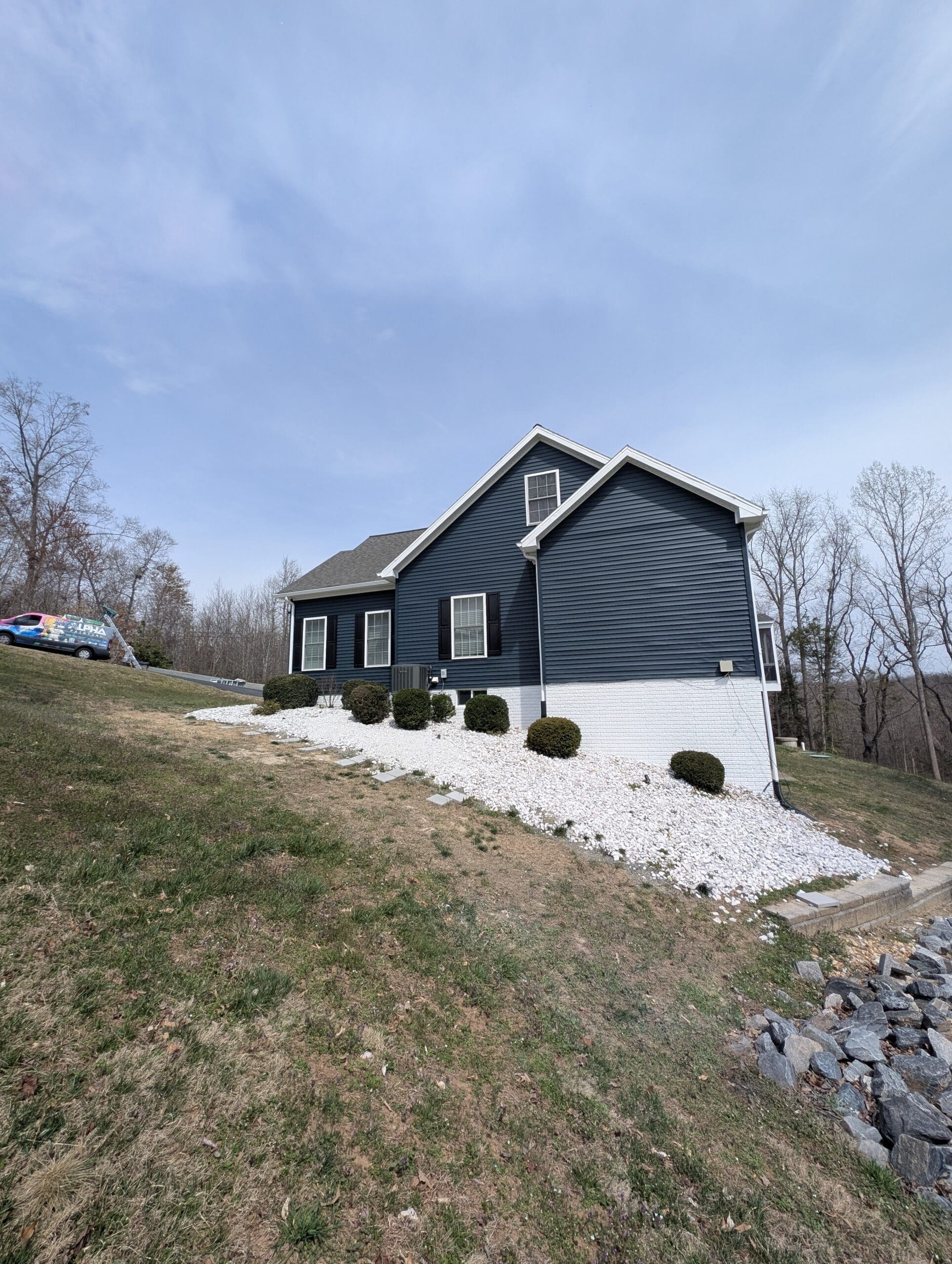
How to Get HOA Approval for Your Exterior House Colors (Stafford & Spotsylvania Guide)
Homeowners associations across Stafford and Spotsylvania County often have strict standards for exterior paint colors. Those rules exist to protect property values, maintain neighborhood consistency, and prevent color choices that clash with surrounding homes. A fresh exterior paint project can dramatically improve curb appeal, though the approval process can become frustrating when homeowners submit incomplete requests or choose colors outside community guidelines.
Many homeowners contact professional painting contractors before filing their HOA paperwork so they can avoid delays, color mismatches, and rejected applications. Alpha Painting regularly helps homeowners prepare accurate color documentation and professional paint specifications that make HOA approval much easier.
A smooth approval process starts long before paint touches the siding. Understanding what local HOAs typically review, how to prepare color samples, and what documentation boards expect can save weeks of back-and-forth communication.
Table of Contents
Why HOA Approval Matters Before Exterior Painting
Paint responds best to stable conditions. Extreme heat, high humidity, and excessive moisture can all affect how paint dries and cures on walls, ceilings, trim, and doors. January often provides more predictable indoor temperatures because homeowners are already running heating systems consistently throughout the day.
Steady indoor heating helps paint dry evenly. Uneven drying can leave visible lap marks, streaking, or inconsistent sheen levels across larger wall areas. Rooms maintained at comfortable winter temperatures usually allow painters to achieve cleaner finishes with fewer environmental interruptions.
Humidity levels also tend to be lower during colder months compared to late spring and summer in Virginia. Excess humidity can slow drying times and interfere with paint adhesion. January conditions often allow paint to cure more consistently, especially when proper ventilation is used during the project.
Fredericksburg homes frequently experience heavy humidity during warmer months. Summer storms, damp air, and fluctuating temperatures can create challenges for certain interior coatings. Winter conditions reduce many of those concerns. Professional painters can maintain greater control over airflow and room conditions without constantly battling outdoor moisture.
Dust and pollen levels are another overlooked factor. Spring and fall often introduce outdoor allergens that enter homes through open windows and foot traffic. January usually brings cleaner indoor air conditions, which helps reduce airborne particles settling into wet paint during application.
Controlled environments matter even more when painting darker colors, satin finishes, or high-visibility walls with direct lighting exposure. Smooth application and Exterior paint changes are considered architectural modifications in many Stafford and Spotsylvania communities. HOA boards want to ensure homes maintain a consistent appearance throughout the neighborhood. Approval rules may apply to siding, trim, shutters, front doors, porches, garages, and even fence staining.
Skipping the approval process can create expensive problems. Some homeowners receive violation notices after painting without permission. Others are required to repaint the home entirely using approved colors. That situation leads to unnecessary labor costs, wasted paint, and frustration that could have been avoided with proper planning.
Certain neighborhoods also have very specific restrictions tied to brick colors, roofing materials, or surrounding homes. A gray paint color that works beautifully in one subdivision may be denied in another because nearby homes already use similar tones. HOA boards often review the visual balance of the entire street before making decisions.
Most HOA architectural review committees are not trying to prevent homeowners from improving their property. Their goal is usually consistency and long-term neighborhood appearance. A detailed and organized submission helps the committee approve requests faster.
Understanding HOA Color Rules in Stafford and Spotsylvania
Many neighborhoods throughout Stafford and Spotsylvania provide homeowners with approved color palettes. Those palettes often include body colors, trim colors, accent colors, and approved combinations. Some communities allow flexibility within certain manufacturer collections, while others only approve exact paint codes.
Colonial-style communities often favor neutral tones such as warm beige, soft gray, cream, muted blue, or classic white. Newer developments may allow darker modern colors, though extremely bold shades are still commonly restricted. Bright reds, neon tones, deep purple, and highly saturated colors are frequently denied unless already established within the neighborhood.
Some HOA guidelines also regulate sheen levels. Flat or satin finishes are usually preferred for siding because glossy surfaces can appear uneven under direct sunlight. Trim and shutters may allow semi-gloss finishes for durability and visual contrast.
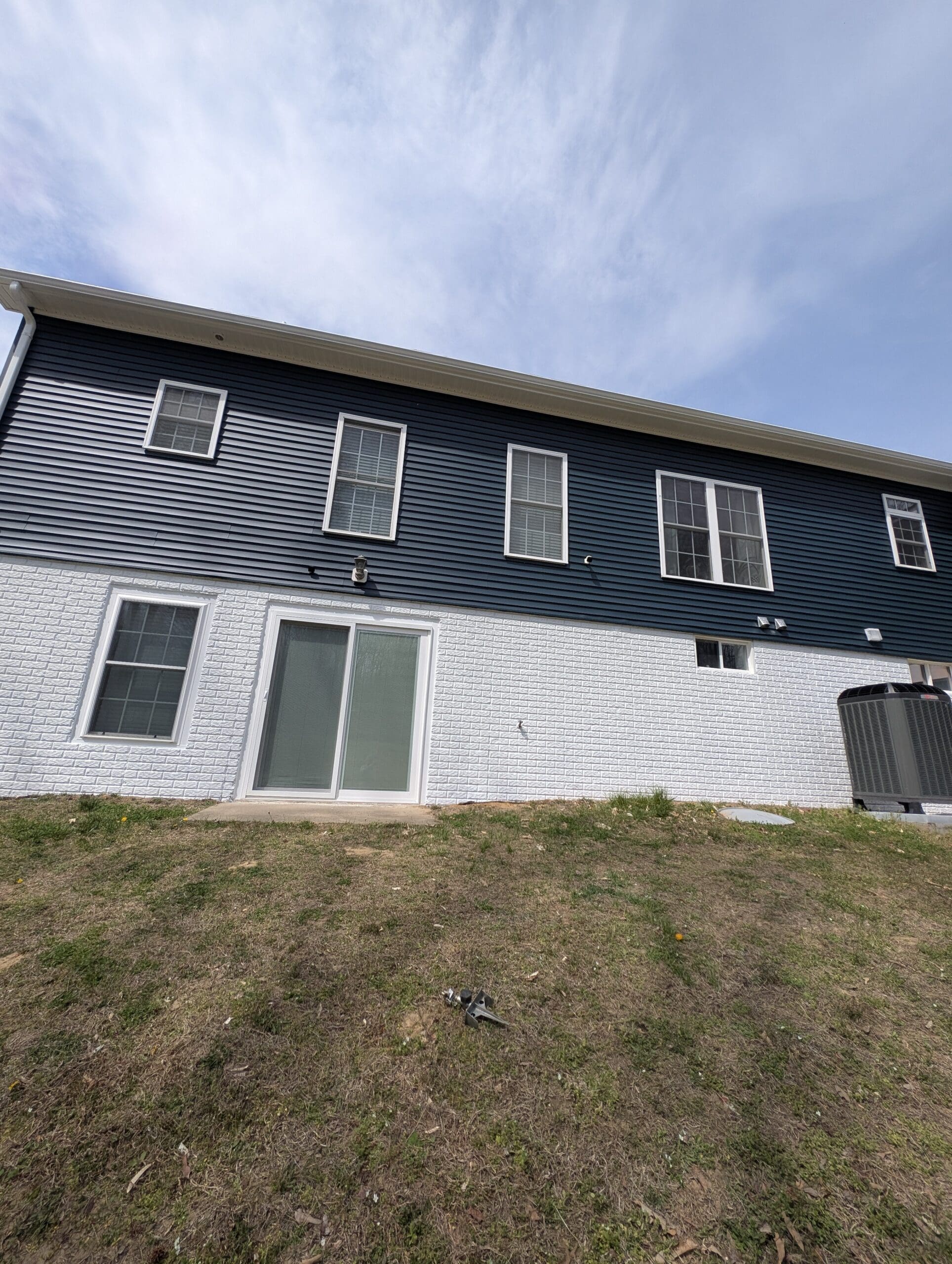
Architectural review committees typically evaluate:
- Compatibility with nearby homes
- Consistency with neighborhood standards
- Historical appearance in certain communities
- Visibility from streets and shared areas
- Quality and professionalism of the proposed project
A homeowner should never assume that a previously approved color in another subdivision will automatically qualify in their own neighborhood. Each HOA operates independently and may revise standards over time.
Reviewing Your HOA Documents Before Choosing Colors
The first step should always involve reviewing your governing documents carefully. Most HOAs provide architectural guidelines through homeowner portals, management companies, or printed documents.
Look specifically for sections covering exterior modifications, paint standards, architectural review procedures, and approved color charts. Some communities require exact paint manufacturers and color names, while others permit broader customization.
Pay close attention to application deadlines and meeting schedules. Certain architectural review committees only meet once per month. Missing a submission deadline may delay approval several additional weeks.
Many homeowners overlook requirements related to sample placement. Some associations require physical paint swatches attached to the application. Others request painted sample boards placed outside the home for visual review.
Documentation requirements may include:
- Paint manufacturer information
- Color names and codes
- Photos of the existing home exterior
- Photos of neighboring homes
- Drawings or digital mockups
- Contractor information
- Estimated project timeline
Thorough preparation signals professionalism and often leads to smoother approvals.
Choosing Exterior Colors That Meet HOA Expectations
Color selection should balance personal taste with neighborhood compatibility. Exterior paint rarely looks identical outdoors compared to interior lighting or showroom displays. Sun exposure, shade, landscaping, brick accents, and roof color all influence the final appearance.
Neutral colors remain the safest option for HOA approval because they blend naturally within most neighborhoods. Warm greige, taupe, soft white, muted green-gray, and slate blue continue to perform well in Stafford and Spotsylvania communities.
Homeowners should also think about long-term appearance rather than current trends alone. Extremely trendy colors can age quickly and may reduce neighborhood consistency over time.
Testing samples directly on the home is one of the smartest steps during the selection process. Paint should be viewed during different times of day because morning sunlight, afternoon glare, and evening shadows can shift color dramatically.
Front door colors sometimes provide an opportunity for more personality without overwhelming the exterior. Deep navy, rich black, stained wood, or muted red may receive approval more easily when the main body color remains neutral.
Trim color contrast also matters. Strong contrast between siding and trim creates a sharper architectural appearance, though excessive contrast may attract HOA concerns in conservative communities.
Preparing a Strong HOA Submission Package
Organized applications typically move through review faster than incomplete requests. Architectural committees appreciate homeowners who provide clear visual information and detailed specifications.
A strong submission package should include printed color samples with exact manufacturer names and codes. Generic descriptions like “light gray” create confusion and increase the chance of delays.
Photos of the current exterior from multiple angles help committee members understand the overall project. Marking proposed colors directly on printed images can improve clarity even further.
Digital renderings have become increasingly helpful for HOA approvals. Many paint manufacturers now offer visualization tools that allow homeowners to upload photos of their homes and preview color combinations.
Contractor information may also strengthen the application. HOAs often feel more comfortable approving projects when experienced professional painters are involved because the final workmanship is more predictable.
Applications should remain neat, simple, and easy to review. Overloading committees with excessive documents can slow the process just as much as missing information.
Common Reasons HOA Paint Applications Get Rejected
Most paint application denials come from preventable mistakes rather than unreasonable HOA behavior.
Incomplete paperwork remains one of the biggest problems. Missing paint codes, missing signatures, or unclear descriptions frequently result in automatic delays.
Color duplication is another common issue. Some HOAs avoid allowing several homes beside each other to share identical exterior colors. A homeowner may need to choose an alternative shade if neighboring properties already use the same palette.
Poor sample representation can also create problems. Tiny paint chips sometimes fail to show the true depth of a color outdoors. Larger painted boards provide a more accurate representation.
Timing can become another challenge. Starting work before approval is officially granted often creates conflict with the HOA board. Homeowners should always wait for written authorization.
Another frequent issue involves homeowners choosing colors that conflict with permanent exterior materials. Brick, stone veneer, roofing shingles, and hardscaping should all coordinate with the proposed paint palette.
Professional color consultation can help prevent these issues before the application reaches the review committee.
Working With Your HOA During the Review Process
Patience matters during architectural review periods. Committee members are often volunteers managing multiple neighborhood requests each month.
Professional communication goes a long way when questions arise. Responding quickly to requests for additional information keeps the review process moving forward.
Some HOAs may suggest alternative shades instead of outright denying a request. Flexibility can help homeowners reach approval faster without restarting the process from the beginning.
Keeping written records of all communication is also important. Save emails, approval letters, paint codes, and application forms for future reference. Those records can become valuable during future repainting projects or property sales.
Once approval is granted, homeowners should verify that contractors use the exact approved colors and finishes. Substituting similar shades without authorization may still create compliance problems.
Exterior Painting Considerations Beyond HOA Approval
Approval is only one part of a successful exterior painting project. Surface preparation, climate conditions, and product quality all affect long-term durability.
Virginia weather creates significant wear on exterior surfaces throughout the year. Humidity, UV exposure, rain, pollen, and temperature fluctuations can shorten paint lifespan when lower-grade materials are used.
High-quality exterior coatings resist fading, peeling, mildew, and moisture intrusion more effectively. Proper prep work also plays a major role in achieving durable results. Pressure washing, scraping failing paint, repairing damaged wood, and priming bare surfaces should never be rushed.
Color placement can influence maintenance as well. Dark colors absorb more heat and may show fading sooner on heavily sunlit elevations. Lighter colors generally provide longer visual consistency and lower surface temperatures.
A carefully planned exterior repaint improves more than appearance alone. Well-maintained paint protects siding materials, reduces moisture damage risk, and supports long-term property value.
Final Thoughts
Exterior color approval does not have to become a stressful process. Careful preparation, realistic color selection, and organized documentation dramatically improve the likelihood of quick approval.
Homeowners throughout Stafford and Spotsylvania benefit from approaching HOA reviews with the same level of planning used for the painting project itself. Reviewing guidelines early, testing colors properly, and submitting detailed information helps avoid unnecessary delays.
Neighborhood standards may feel restrictive at times, though those rules often help preserve the visual appeal and value of surrounding homes. A thoughtfully selected exterior color scheme can satisfy HOA expectations while still giving a home fresh character and curb appeal.
Successful exterior painting projects begin long before the first coat of paint is applied. Strong communication, proper preparation, and professional planning remain the foundation of smooth HOA approvals and long-lasting exterior results.