
The Virginia Pollen Gap: Why You Should Never Paint Your House in Late April
Spring feels like the perfect season for exterior painting in Virginia. Temperatures start climbing, rain becomes less frequent, and homeowners finally get a chance to inspect the damage winter left behind. Many people assume late April is the ideal time to refresh siding, trim, decks, or shutters. Weather feels comfortable, flowers are blooming, and contractors are busy booking schedules.
That timing creates one of the biggest mistakes homeowners make with exterior paint projects in Virginia.
Late April sits directly inside what many professional painters quietly call the “Virginia pollen gap.” Thick yellow pollen coats everything outdoors during this short but intense seasonal window. Cars turn dusty overnight, patio furniture becomes unusable, and freshly painted surfaces face conditions that can interfere with paint adhesion, finish quality, and long-term durability. Professional painters across Fredericksburg and surrounding Virginia communities often recommend postponing exterior painting until pollen counts begin to settle. Companies like frequently schedule around this seasonal issue because pollen contamination can create problems that homeowners may not notice until months later.
Most homeowners think pollen is just a cosmetic annoyance. Exterior painting professionals know it behaves more like airborne debris that can compromise a paint system from the very first coat.
Table of Contents
Why Virginia’s Spring Pollen Season Is So Aggressive
Brick is not a flat, sealed surface like drywall or siding. It is porous and constantly interacts with moisture. Rain, humidity, and temperature changes all influence how moisture moves in and out of the material.
That detail matters more than most people realize. Any coating applied to brick either works with that natural process or fights against it. Paint tends to form a film over the surface, while limewash penetrates and becomes part of the brick.
Moisture control is the biggest factor behind long-term performance. A finish that traps water inside brick can lead to peeling, cracking, or even structural damage over time. A finish that allows the brick to breathe will age more naturally.Virginia experiences one of the heavier spring pollen cycles on the East Coast due to its dense tree coverage and fluctuating spring weather patterns. Oak, pine, maple, birch, cedar, and sycamore trees release massive amounts of pollen during April and early May. Fredericksburg, Richmond, Northern Virginia, and much of the surrounding region often see visible pollen accumulation for weeks at a time.
Humidity makes the problem even worse. Dry pollen floats through the air easily, but Virginia’s spring moisture causes pollen particles to cling to nearly every surface they touch. Siding, trim boards, railings, gutters, brick, and doors develop a thin film that may not always be obvious until sunlight hits the surface.
Fresh paint creates an especially vulnerable target during this season.
Exterior paint remains tacky during the curing process, even after it appears dry to the touch. Airborne pollen settles directly into the paint film while curing takes place. Some particles become trapped permanently in the finish, creating rough textures and dull patches. Other particles interfere with adhesion by creating microscopic contamination between coats.
Many homeowners do not notice the issue immediately because fresh paint still looks dramatically better than old paint. Problems often appear later through premature fading, uneven sheen, texture irregularities, or reduced lifespan.
Pollen Does More Than Make Paint Look Dirty
Most people associate pollen with yellow dust on outdoor surfaces. Professional painters view it differently because pollen affects multiple stages of exterior paint performance.
Surface preparation becomes less reliable during heavy pollen periods. Washing a house may remove visible buildup, but airborne pollen can settle back onto siding within minutes. Painters sometimes clean surfaces early in the morning only to find fresh contamination before primer or paint application even begins.
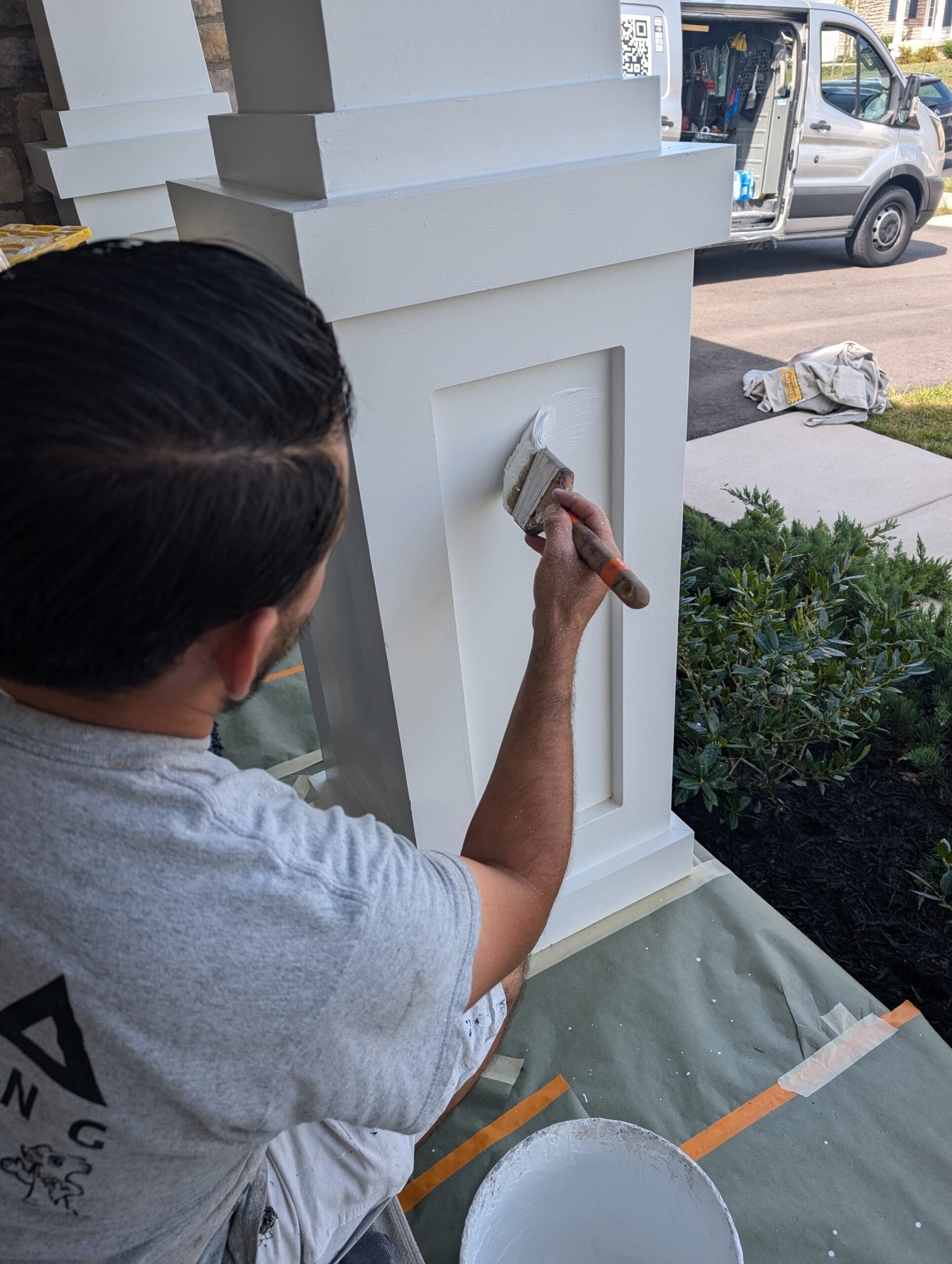
Late April also introduces another problem many homeowners never consider: cross-contamination between sanding dust and pollen. Exterior prep work often includes scraping loose paint, sanding rough edges, and repairing damaged trim. Pollen mixes with those materials and creates a fine residue that becomes difficult to fully remove before coating begins.
Paint texture suffers heavily during pollen season as well. Smooth finishes become grainy or inconsistent because microscopic particles settle into wet coatings. Dark paint colors tend to show the issue more clearly, especially on front doors, shutters, and trim.
Gloss and semi-gloss finishes face even greater risks because reflective surfaces highlight every imperfection once sunlight hits them.
Why Timing Matters More Than Temperature
Paint creates a sealed layer over the brick surface. That can be appealing for homeowners who want a clean, consistent color without variation. It provides strong coverage and can dramatically modernize the look of a home.
Durability depends heavily on preparation and product quality. Masonry-specific paints are designed to adhere better and resist weathering, but they still function as a barrier. Over time, exposure to sun, rain, and temperature swings causes that barrier to expand and contract.
Peeling and flaking are common issues when moisture becomes trapped behind the paint layer. Once that process starts, maintenance becomes ongoing. Repainting or stripping may be required every several years, depending on climate and exposure.
Paint also permanently alters the brick. Removing it later is difficult and sometimes impossible without damaging the surface. That’s a major consideration for homeowners who value the original material.Many homeowners focus entirely on temperature when planning exterior painting projects. They watch for 60-degree days and assume conditions are ideal. Temperature certainly matters, but seasonal contamination matters just as much.
A perfect 72-degree day during peak pollen season can still produce poor painting conditions.
Professional painters monitor several environmental factors before scheduling exterior work. Surface moisture, overnight dew points, wind conditions, humidity, and airborne contaminants all affect results. Pollen becomes one of the biggest variables during late April because contamination levels can change dramatically from one day to the next.
Virginia weather creates especially difficult conditions because warm afternoons encourage pollen release while cool evenings increase moisture accumulation. That combination allows pollen to stick aggressively to curing paint surfaces overnight.
Rain does not always solve the issue either.
Many homeowners assume spring rain washes pollen away permanently. Fresh rain may temporarily reduce airborne particles, but pollen counts often spike again shortly afterward as trees continue releasing material. Light rain can even create muddy residue on siding surfaces that becomes harder to clean before painting.
Professional exterior painting schedules often become more stable by mid-to-late May once the heaviest pollen cycles begin fading.
The Hidden Adhesion Problems Homeowners Rarely Notice
Paint adhesion failures do not always happen dramatically. Most problems develop slowly.
A house painted during heavy pollen season may still look acceptable for the first several months. Trouble often begins later when summer heat, UV exposure, and moisture start stressing the coating system.
Contaminated surfaces reduce the mechanical bond between paint and substrate. Tiny pollen particles trapped beneath coatings create weak points where peeling, blistering, or chipping can eventually start. Areas exposed to strong sunlight or frequent moisture usually fail first.
Trim boards around windows and doors commonly show the earliest warning signs because those surfaces expand and contract more aggressively with temperature changes.
Decks and porch railings face even greater risk. Horizontal surfaces collect more pollen naturally, making adhesion problems more likely if cleaning and timing are not handled correctly.
Professional painters spend enormous amounts of time preparing surfaces because adhesion determines the lifespan of the entire project. Even premium paint products cannot compensate for contaminated application conditions.
Late April Creates Unpredictable Drying Conditions
Spring weather in Virginia changes rapidly. One afternoon may feel warm and dry while the next morning brings damp air and heavy dew.
Paint curing depends on stable environmental conditions. Heavy pollen seasons usually coincide with fluctuating moisture levels that slow or interrupt proper curing. Slow curing increases the amount of time paint remains vulnerable to contamination.
Wind becomes another issue during late April projects. Spring gusts carry pollen continuously across wet surfaces. Freshly painted siding near wooded lots or tree-lined neighborhoods faces constant exposure throughout the curing process.
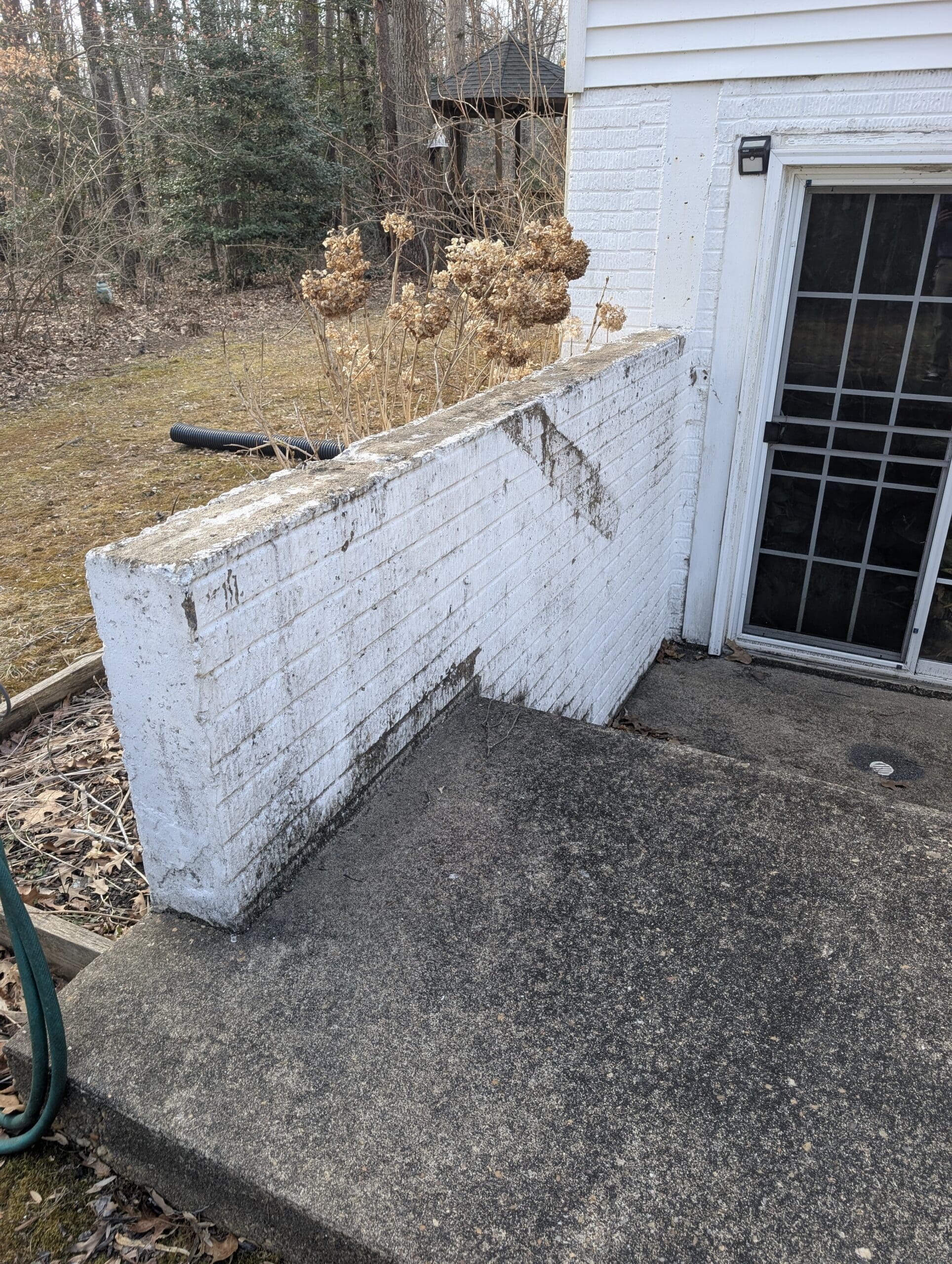
Paint requires more upkeep. Once it starts to fail, the surface often needs scraping, priming, and repainting. That cycle repeats over the life of the home.
Climate plays a role here. Areas with high humidity or frequent rain can accelerate paint failure on brick, while limewash tends to handle those conditions more naturally due to its breathability.Direct sunlight can complicate matters further.
Many homeowners believe sunny conditions speed up painting success. Excessive direct sunlight during spring afternoons may cause paint to dry too quickly on the surface while remaining soft underneath. That imbalance can trap contaminants within the coating film before proper leveling occurs.
Experienced painters carefully plan which sides of a house get painted at certain times of day to avoid uneven curing conditions.
Exterior Colors That Show Pollen Damage the Most
Certain paint colors reveal pollen contamination more dramatically than others.
Dark charcoal, navy, black, deep green, and rich brown finishes tend to highlight surface texture problems immediately. Pollen trapped inside these finishes creates visible speckling and uneven sheen under sunlight.
Glossy front doors become especially vulnerable because reflective finishes amplify every imperfection. Many homeowners blame the paint product itself when rough texture appears, even though airborne contamination caused the issue.
White and cream-colored homes experience different problems. Yellow pollen stains become more noticeable against lighter surfaces, especially before paint fully cures. Some homeowners mistakenly believe fresh paint is already discoloring when pollen residue is actually sitting on top of partially cured coatings.
Satin finishes generally hide minor contamination better than high-gloss products, though adhesion concerns still remain beneath the surface.
Why Professional Painters Sometimes Delay Spring Projects
Homeowners occasionally become frustrated when painting companies recommend postponing projects during beautiful spring weather. That recommendation usually comes from experience rather than scheduling inconvenience.
Professional painters understand that exterior projects are judged years later, not just the day the work finishes.
A rushed spring paint job completed during peak pollen season may create callbacks, premature wear, or customer dissatisfaction down the road. Waiting a few weeks often produces dramatically cleaner finishes and longer-lasting performance.
Experienced crews also know that preparation standards become much harder to maintain during heavy pollen cycles. Constant recleaning slows production and increases the risk of contamination between prep and application stages.
Painters working around Fredericksburg, Richmond, and other Virginia regions often watch local pollen forecasts closely during spring scheduling because environmental conditions directly affect final results.
Better Alternatives for Late April Home Improvement
Late April does not need to become wasted time for homeowners planning exterior upgrades.
Spring remains excellent for inspections, repairs, pressure washing, and project planning. Surface repairs completed before peak summer temperatures can help streamline painting once pollen season settles down.
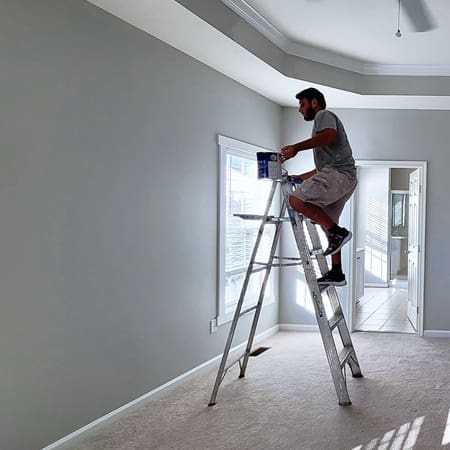
Interior painting projects also become ideal during this period. Climate-controlled indoor conditions eliminate most contamination concerns while allowing homeowners to refresh living spaces before summer arrives.
Exterior carpentry repairs, caulking replacement, gutter maintenance, and siding inspections all make smart use of the season without exposing fresh paint to heavy pollen conditions.
Homeowners who plan ahead often secure better scheduling flexibility by booking exterior painting projects slightly later in spring or early summer.
The Best Time to Paint a House in Virginia
Virginia’s best exterior painting conditions usually arrive after the heaviest pollen cycles begin fading. Mid-May through early fall typically offers more stable conditions for surface preparation, application, and curing.
Temperature consistency improves during this period, airborne contamination decreases, and moisture patterns become easier to predict. Paint products perform more reliably when surfaces remain cleaner throughout the curing process.
Summer heat still requires careful planning, especially during July and August, but experienced painters can adjust schedules around temperature swings far more effectively than they can control airborne pollen.
Fall also provides excellent painting conditions across much of Virginia. Cooler temperatures, lower humidity, and reduced pollen activity often create some of the cleanest finishing conditions of the year.
A successful exterior paint project depends on more than color selection or product quality. Timing plays a major role in how long that investment lasts. Late April may look beautiful outside, but Virginia’s pollen season quietly creates some of the worst possible conditions for exterior painting.