

What Happens if it Rains on Fresh Paint
Fresh paint looks finished long before it is truly ready to face the elements. Rain remains one of the biggest wild cards during any painting project, whether the surface sits outside under open sky or inside near open windows and doors. Years spent working on exterior siding, trim, decks, and interior walls show that moisture interacts with paint in ways most homeowners never expect. Understanding what actually happens when rain hits fresh paint helps prevent expensive mistakes and explains why timing and preparation matter far more than the brand name on the can.
Early planning always reduces risk, and this is one reason professional painters track weather patterns carefully. At Alpha Painting LLC, projects are scheduled around proper drying windows rather than optimistic forecasts, yet even well-planned jobs can face surprise rain. Knowing how paint behaves under moisture helps homeowners react correctly instead of making the damage worse.
Table of Contents
The Science Behind Paint Drying and Curing
Paint does not dry in a single step. Water-based and oil-based paints go through two distinct stages: drying and curing. Drying happens when solvents evaporate from the surface, leaving paint that feels dry to the touch. Curing takes much longer and involves chemical bonding that hardens the paint into a durable protective layer.
Rain disrupts both stages in different ways. During early drying, moisture interferes with evaporation. Water settles on the surface and mixes with uncured paint, weakening its structure. During curing, rain usually causes fewer issues, yet prolonged moisture still affects adhesion and long-term durability.
Temperature, humidity, wind, and surface material all influence how quickly paint progresses through these stages. High humidity slows evaporation even without rainfall. Rain compounds this problem by introducing liquid water directly onto the surface, pushing the paint backward in its drying process.
What Happens When Rain Hits Fresh Exterior Paint
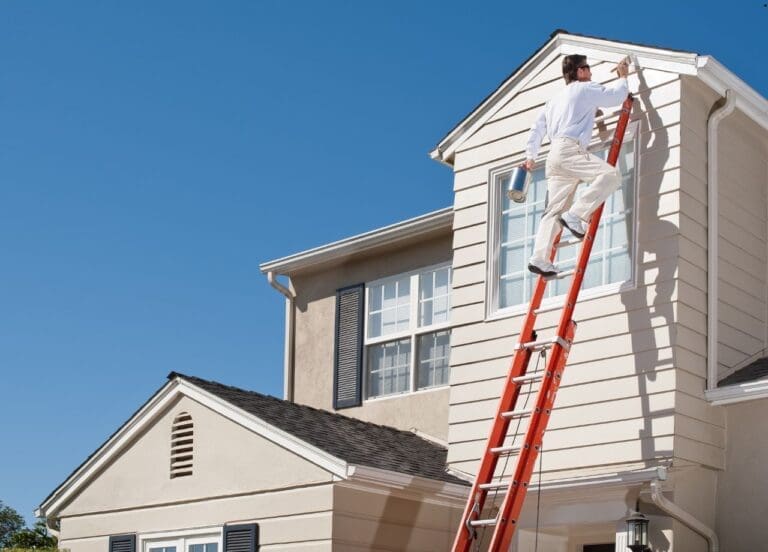
Exterior paint faces the greatest risk from rain. When water lands on fresh paint, several visible and invisible problems can develop depending on timing and paint type.
Water-based latex paint reacts quickly to rain during early drying. Rainwater dilutes the paint film, causing streaks, runs, and sagging. Pigments may wash unevenly, leaving blotchy color or faded patches. Heavy rain can strip paint entirely from sharp edges and trim details where adhesion remains weakest.
Oil-based paint behaves differently but still suffers. Oil paint dries through oxidation, and rain interrupts that chemical process. Moisture creates cloudy spots, dull patches, or a wrinkled surface often called “alligatoring.” These defects rarely fix themselves and often require sanding and repainting.
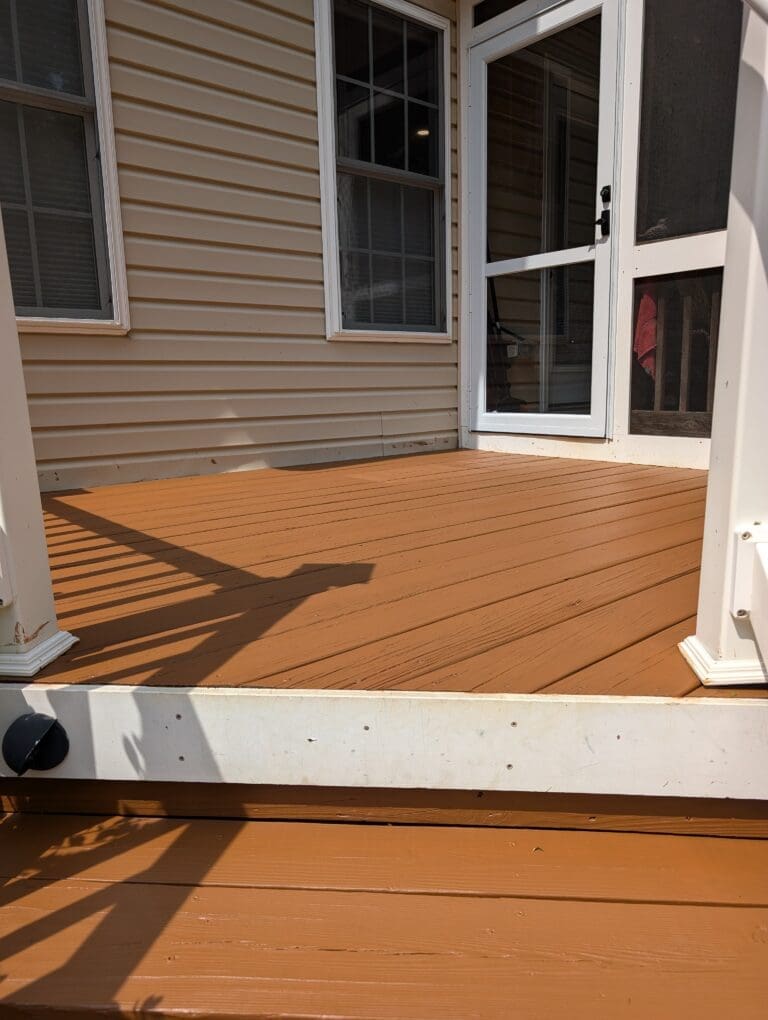
Surface texture also plays a role. Smooth surfaces like metal or vinyl shed water more quickly, sometimes reducing damage. Porous surfaces like wood, brick, and stucco absorb moisture, pulling water underneath the paint film. This trapped moisture leads to blistering, peeling, and premature failure weeks or months later.
Timing Makes All the Difference
Rain falling one hour after painting causes more harm than rain falling eight hours later. Fresh paint within the first few hours remains extremely vulnerable. Even a light drizzle can leave permanent marks. After several hours, paint may appear dry but still lacks strength beneath the surface.
Latex paints typically need at least four to six hours of dry weather under ideal conditions before they resist light rain. Oil-based paints often require twelve to twenty-four hours. Cooler temperatures or high humidity extend these timelines significantly.
Rain arriving after the paint has fully cured rarely causes damage beyond surface dirt or water spots. Problems almost always trace back to moisture exposure during early drying or partial curing stages.
Hidden Damage That Appears Weeks Later
Some rain-related paint failures remain invisible at first. Paint may look fine after drying, yet moisture trapped beneath the surface begins to cause trouble over time.
Blistering occurs when trapped water vapor pushes outward, forming bubbles beneath the paint film. Peeling follows as adhesion weakens. Mold and mildew thrive in damp areas where moisture never fully escaped. Wood rot accelerates when water penetrates beneath paint that no longer seals properly.
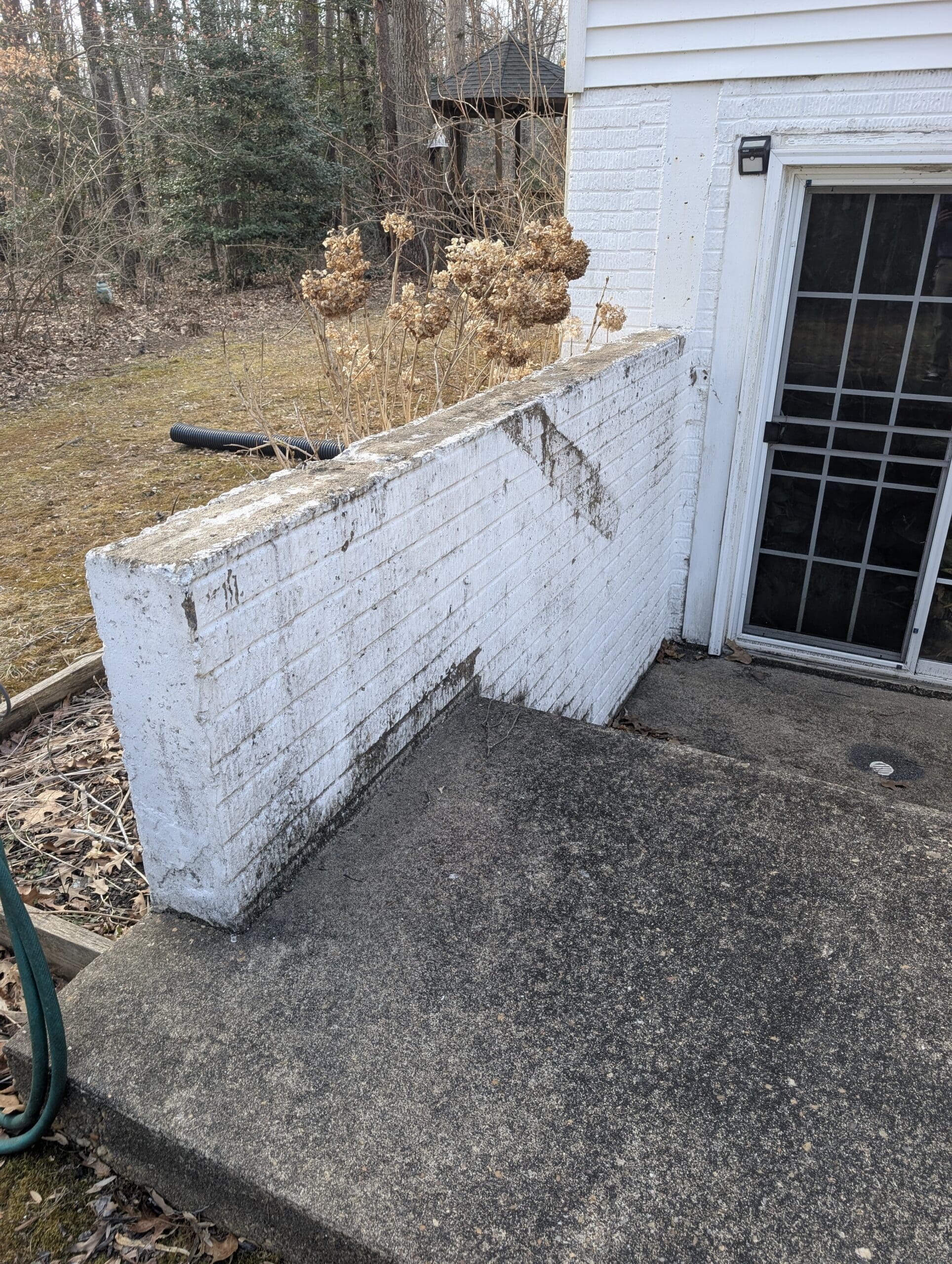
These issues often appear weeks or months after painting, leading homeowners to blame poor materials rather than early moisture exposure. Experienced painters recognize these patterns immediately and trace them back to weather conditions during application.
Interior Paint and Rain Exposure
Rain affects interior paint differently, though risks still exist. Open windows, high indoor humidity, or leaks allow moisture to interact with fresh interior paint. Bathrooms, kitchens, and laundry rooms remain especially vulnerable.
High humidity slows drying, allowing paint to sag or remain tacky for extended periods. Water intrusion from leaks causes spotting, discoloration, or peeling even on interior walls. Ceiling paint suffers the most when roof leaks occur shortly after painting.
Interior paint generally recovers better than exterior paint if moisture exposure stays minimal. Proper ventilation and climate control often correct minor issues without major repairs.
How Different Surfaces Respond to Rain
Wood reacts strongly to moisture. Fresh paint on wood absorbs rainwater quickly, swelling the fibers beneath the paint film. This movement breaks adhesion and leads to peeling once the wood dries and contracts.
Brick and masonry soak up water deeply. Rain pushes moisture behind the paint layer, creating long-term blistering problems. Painted masonry requires longer dry windows and careful surface preparation to handle moisture exposure.
Metal surfaces resist absorption yet remain prone to spotting and corrosion if rain disrupts curing. Rust can form under compromised paint, spreading beneath the surface unseen.
Vinyl siding sheds water effectively but still suffers streaking and uneven sheen when rain hits fresh paint. Adhesion problems appear later, often near seams and edges.
What to Do If Rain Hits Fresh Paint
Immediate action helps limit damage. Touching wet paint causes more harm, so patience matters. Allow the surface to dry fully before assessing damage. Attempting repairs too soon worsens streaking and texture issues.
Once dry, inspect for visible defects. Light rain may leave minor marks that fade after full curing. Heavy rain usually requires sanding and repainting affected areas. Waiting several days allows trapped moisture to escape before making repairs.
Avoid applying heat directly to speed drying. Forced drying traps moisture and increases blistering risk. Natural airflow and time provide safer results.
Preventing Rain Damage Before It Happens
Preparation prevents most rain-related paint failures. Monitoring weather forecasts matters, yet experienced painters also watch humidity trends and overnight dew levels. Surfaces must remain dry not only during application but for hours afterward.
Using the right paint for the surface and conditions improves resistance. Some exterior paints offer faster dry times and better moisture tolerance, yet none perform well under direct rainfall immediately after application.
Proper surface preparation ensures stronger adhesion. Clean, dry, well-primed surfaces shed water better and recover more easily if light rain occurs. Cutting corners during prep always magnifies weather-related damage.
Long-Term Effects on Paint Lifespan
Paint exposed to rain during early stages rarely reaches its full lifespan. Even repaired areas often fail sooner than properly applied sections. Color fading accelerates. Peeling appears earlier. Maintenance cycles shorten.
Homeowners sometimes repaint prematurely without understanding why failures keep happening. Weather exposure during application often sits at the root of repeated problems. Addressing timing and technique resolves these recurring issues far more effectively than switching paint brands.
Final Thoughts
Rain on fresh paint creates problems ranging from cosmetic flaws to structural damage beneath the surface. Timing, surface type, paint chemistry, and environmental conditions all determine the outcome. Quick fixes rarely solve underlying moisture issues, and patience remains the most valuable tool after unexpected rain.
Professional painters treat weather as part of the job rather than an afterthought. Respecting drying windows, preparing surfaces correctly, and responding calmly to rain exposure protect the finish and extend its life. Fresh paint deserves time to do its job, and moisture should never be allowed to rush that process.