
Should You Paint Ceilings the Same Color as Walls?
Ceilings rarely get the attention they deserve. Most homeowners default to flat white without much thought, even though ceilings shape how a room feels just as much as walls do. Painting ceilings the same color as the walls has become far more common in recent years, especially as design trends shift toward cohesive, intentional spaces rather than stark contrasts.
Questions usually come up around whether matching colors will make rooms feel smaller, darker, or too boxed in. Answers depend on room size, ceiling height, lighting, and the overall look you want to achieve. Guidance from experienced painters matters here, since technique and finish play a major role in the final result. Early in many projects, homeowners we work with at Alpha Painting discover that ceiling color choices affect far more than aesthetics alone.
Understanding when matching colors works—and when it doesn’t—helps avoid costly repainting and design regret.
Table of Contents
How Ceiling Color Influences the Feel of a Room
Ceilings act as the visual boundary of a space. Light colors tend to reflect light downward, making rooms feel more open and airy. Darker or matching colors absorb more light, which can either create warmth or make a room feel enclosed depending on execution.
Painting ceilings the same color as walls removes the visual “break” line where the wall meets the ceiling. This lack of contrast can make the space feel taller or more unified, especially when trim is minimal or painted the same color as well. Many designers rely on this approach to create a seamless look that feels intentional rather than unfinished.
Rooms with consistent color wrapping around all surfaces often feel calmer and more immersive. That effect works well in bedrooms, offices, and dining rooms where a cozy or focused atmosphere matters more than openness.
When Painting Ceilings the Same Color Works Well
Rooms with lower ceilings benefit the most from matching wall and ceiling colors. Eliminating contrast draws the eye upward naturally, helping the ceiling appear higher than it actually is. White ceilings above darker walls tend to highlight the ceiling height, which sometimes exaggerates how low it is.
Smaller rooms also respond well to this technique. Bathrooms, hallways, and laundry rooms can feel less choppy when the color remains consistent across surfaces. A single color reduces visual clutter and keeps attention on fixtures, tile, or architectural details rather than sharp color changes.
Modern and minimalist spaces often look best with this approach. Clean lines, flat or matte finishes, and limited trim allow color continuity to shine. Homes with contemporary architecture or updated interiors usually benefit more from matched ceilings than traditional layouts.
Situations Where Matching Colors Can Backfire
Large rooms with high ceilings sometimes lose their sense of scale when walls and ceilings share the same color. Contrast helps define volume in expansive spaces, preventing them from feeling cavernous or dim. Bright white ceilings in these rooms can reflect light more effectively, especially when natural light is limited.
Rooms with heavy crown molding or decorative trim also pose challenges. Matching the ceiling color to the walls may clash with ornate details that were designed to stand out. Traditional homes often look better when ceilings remain lighter, allowing trim to frame the room properly.
Lighting conditions matter more than many homeowners realize. North-facing rooms or spaces with limited windows can feel darker when ceilings match mid-tone or deep wall colors. Proper lighting upgrades help, yet ceiling color alone cannot fix poor illumination.
Finish Selection Matters as Much as Color
Flat paint hides imperfections and minimizes glare, making it a common ceiling choice. Matching wall color on the ceiling works best when the finish stays flatter than the walls. Using the same sheen everywhere highlights surface flaws and creates uneven light reflection.
Walls typically receive eggshell or satin finishes for durability and cleanability. Ceilings rarely need that level of sheen. A flat or matte ceiling in the same color maintains softness while still achieving color continuity.
Paint quality also affects how color appears overhead. Inferior paint may show lap marks or roller lines more noticeably on ceilings. Professional-grade products produce smoother results and maintain consistent color across different surfaces.
How Matching Colors Affects Architectural Style
Modern homes benefit most from same-color ceilings. Open floor plans, minimal trim, and clean geometry pair naturally with color-wrapped rooms. Matching ceilings support the streamlined look many homeowners want.
Transitional homes can work either way depending on trim treatment. Painting crown molding and trim the same color as walls and ceilings creates a contemporary feel without altering architectural structure. Leaving trim white adds definition while still allowing walls and ceilings to match.
Traditional homes often rely on contrast. White or light ceilings provide balance against deeper wall colors and ornate details. Matching colors may feel heavy or overpowering unless executed with lighter shades.
Using Color Matching to Highlight or Downplay Features
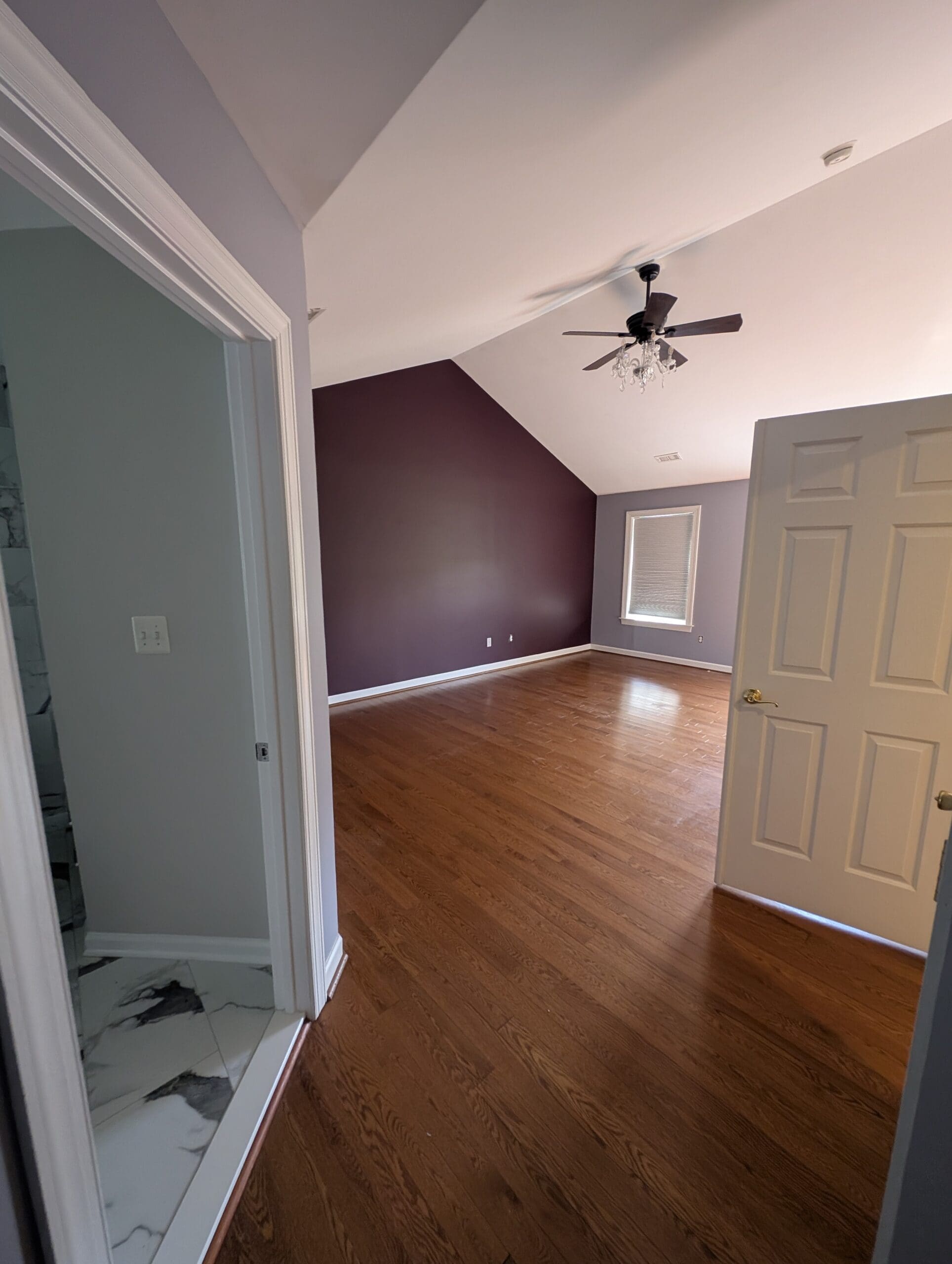
Matching ceilings to walls draws attention away from ceiling height variations, soffits, and angled ceilings. Rooms with sloped or vaulted ceilings often look cleaner when everything shares the same color, reducing awkward transitions.
Accent features like beams, fireplaces, or statement lighting stand out more against a unified background. Color continuity allows focal points to shine without competition from sharp color breaks.
Ceilings with imperfections benefit from careful color choices. Matching colors minimize shadows that emphasize flaws, especially when paired with flat finishes and proper prep work.
Practical Considerations Beyond Design
Maintenance plays a role in ceiling color decisions. White ceilings show stains, dust, and marks more readily than slightly tinted colors. Matching wall color often hides minor discoloration better over time.
Touch-ups become simpler when one color covers multiple surfaces. Homeowners avoid guessing which white matches best or dealing with subtle variations between ceiling and wall paint.
Future repainting should factor into decisions. Bold colors on ceilings require commitment. Neutral tones provide flexibility if room use changes later.
Common Myths About Matching Ceilings and Walls
Many believe matching colors automatically make rooms feel smaller. Scale depends more on lighting, furniture layout, and window placement than ceiling color alone. Well-lit rooms with lighter shades maintain openness even when walls and ceilings match.
Another misconception involves resale value. Buyers respond more to overall cohesion and condition than strict color rules. Thoughtfully chosen color schemes appeal more than outdated design habits.
Some fear matching colors looks unfinished. Proper trim treatment, clean cut lines, and professional application prevent that issue entirely.
Making the Right Choice for Your Space
Testing paint samples matters. Color behaves differently on ceilings due to light reflection and viewing angles. Applying sample patches overhead gives a clearer picture than wall-only tests.
Lighting evaluation helps guide decisions. Natural and artificial light sources affect how color reads throughout the day. Adjusting bulb temperature often improves results more than changing paint color.
Professional advice saves time and frustration. Experienced painters assess ceiling height, light, architecture, and surface condition before recommending a solution.
Final Thoughts
Painting ceilings the same color as walls works beautifully in many situations. Done correctly, it creates cohesive, modern spaces that feel intentional and polished. Success depends on room size, lighting, finish selection, and architectural style rather than rigid rules.
Design trends shift, yet thoughtful execution remains timeless. Choosing ceiling color with purpose elevates a home’s interior far beyond default white. Careful planning and skilled application ensure the result feels balanced, comfortable, and visually appealing for years to come.