
Second Coating: Why the Follow-Up Layer Defines Paint Performance
Paint rarely reaches its full potential after a single pass. A second coating does more than deepen color; it completes the system that protects surfaces, evens sheen, and stabilizes the finish for years of service. Contractors who work across interiors and exteriors treat the second coat as a technical step, not a cosmetic one. Homeowners who understand why that step matters tend to see better durability and fewer callbacks.
Early in the process, professional crews may be asked whether one coat is enough. Alpha Painting LLC applies manufacturer specifications and field testing when determining coat counts, yet the guidance below focuses on the craft and science behind a second coating rather than selling a service.
Table of Contents
What a Second Coat Actually Does
Rain disrupts both stages in different ways. During early drying, moisture interferes with evaporation. Water settles on the surface and mixes with uncured paint, weakening its structure. During curing, rain usually causes fewer issues, yet prolonged moisture still affects adhesion and long-term durability.
A second coating completes film formation. Most architectural paints are engineered to reach a target dry film thickness after two coats over a prepared substrate. The first coat wets the surface, bonds to it, and begins to level. Microscopic pores, sanding scratches, and absorption differences remain after that pass. The follow-up layer fills those gaps, creating a continuous membrane that resists moisture, UV exposure, and abrasion.
When One Coat Falls Short
Claims of “one-coat coverage” hinge on controlled conditions: similar colors, uniform substrates, and optimal application rates. Field conditions rarely match those assumptions. New drywall absorbs unevenly even after priming. Weathered siding carries patches of higher porosity. Trim profiles create shadowing that masks thin spots until light hits at an angle.
Skipping the second coat often shows up months later rather than immediately. Early wear at high-touch areas, premature fading on sun-exposed walls, and moisture intrusion at micro-gaps become visible over time. Those failures stem from insufficient film build rather than product quality.
Timing Between Coats Matters
Dry-to-touch does not equal ready-to-recoat. Each product lists a recoat window based on temperature, humidity, and resin chemistry. Applying the second coat too early can trap solvents or water, leading to wrinkling, soft films, or delayed curing. Waiting too long can reduce intercoat adhesion, especially with enamels and high-build exterior paints.
Professional practice checks surface temperature and ambient conditions before proceeding. Walls that feel cool or damp slow evaporation. Direct sun accelerates skinning, which can lock in moisture beneath. The goal sits at a balanced window where the first coat has set enough to support the next layer while remaining receptive to bonding.
Interior Surfaces: Walls, Ceilings, and Trim
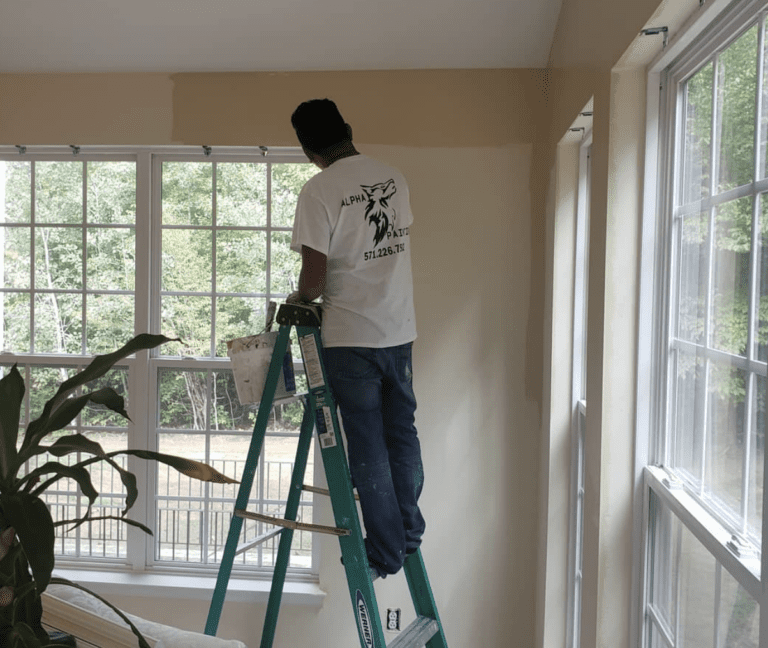
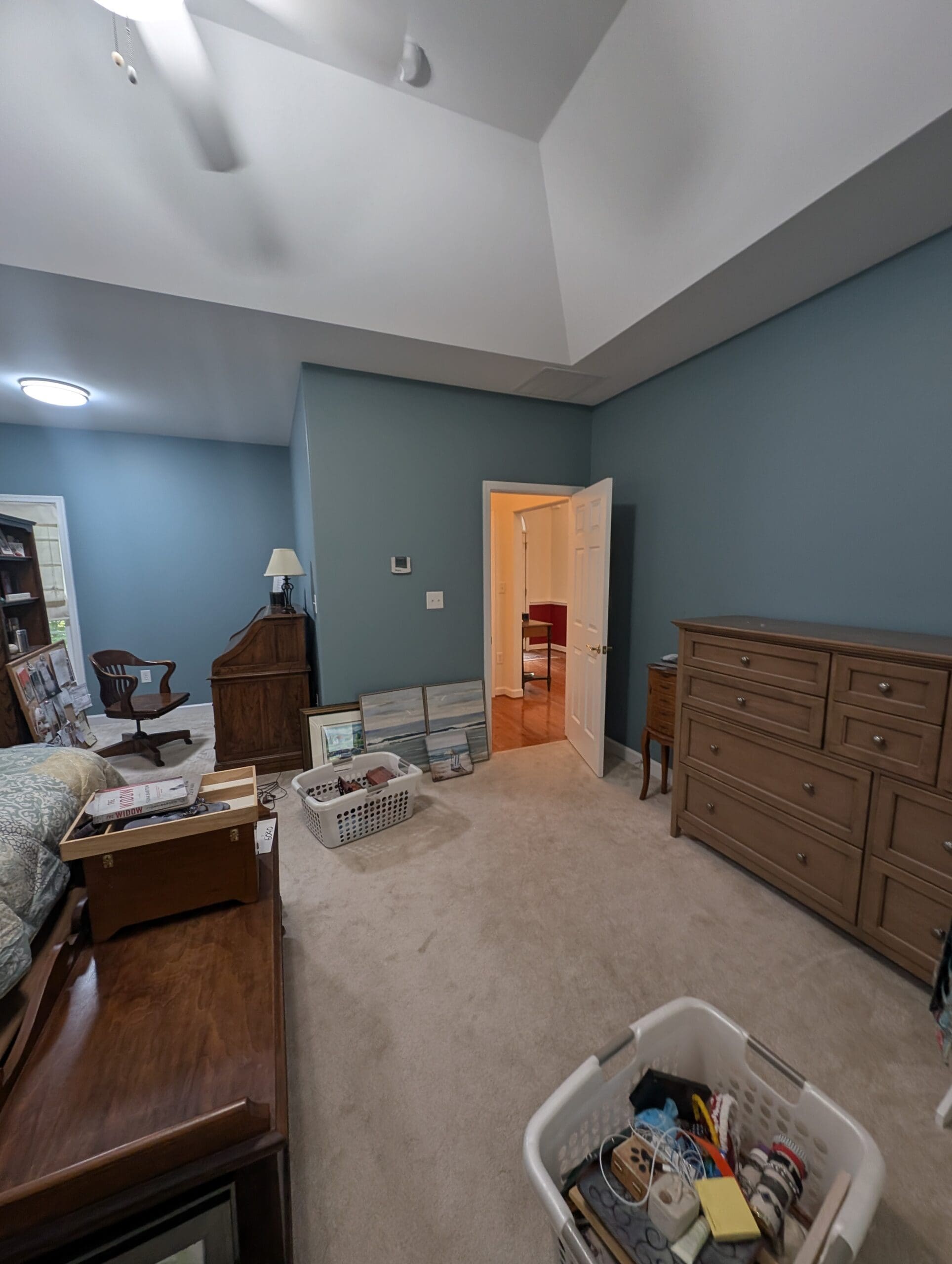
Interior walls benefit from a second coat for uniformity and washability. Kitchens and hallways see frequent contact; the added film thickness improves scrub resistance. Ceilings often hide flaws until evening light grazes the surface. A second pass evens out roller overlap and reduces flashing.
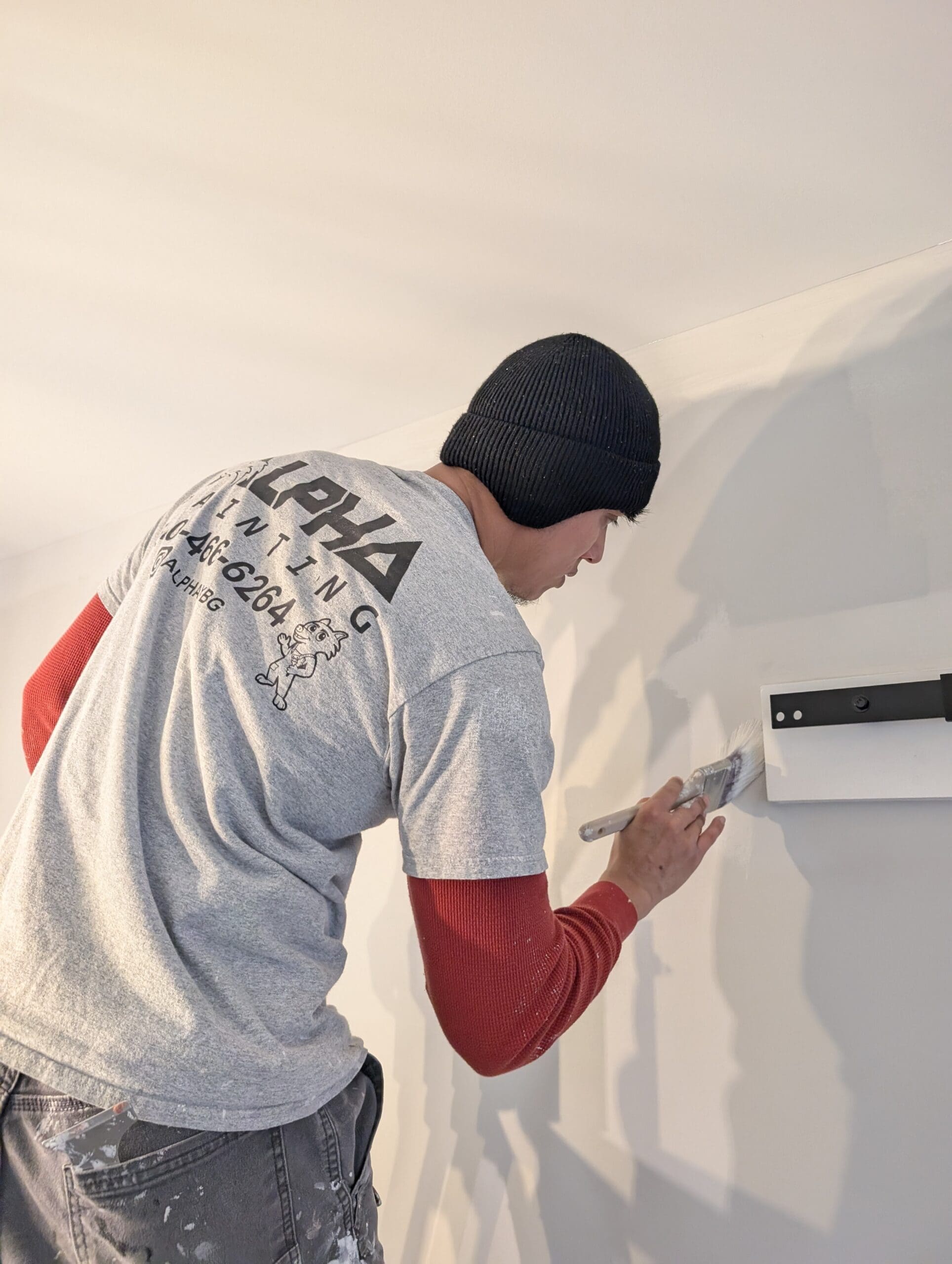
Trim presents a different challenge. Enamels level through surface tension as they dry. One coat may show brush marks or thin edges. The follow-up layer flows more smoothly because the substrate has been sealed by the first pass. Doors and cabinets particularly rely on that second coat to achieve a durable, factory-like appearance.
Exterior Surfaces: Siding, Masonry, and Wood
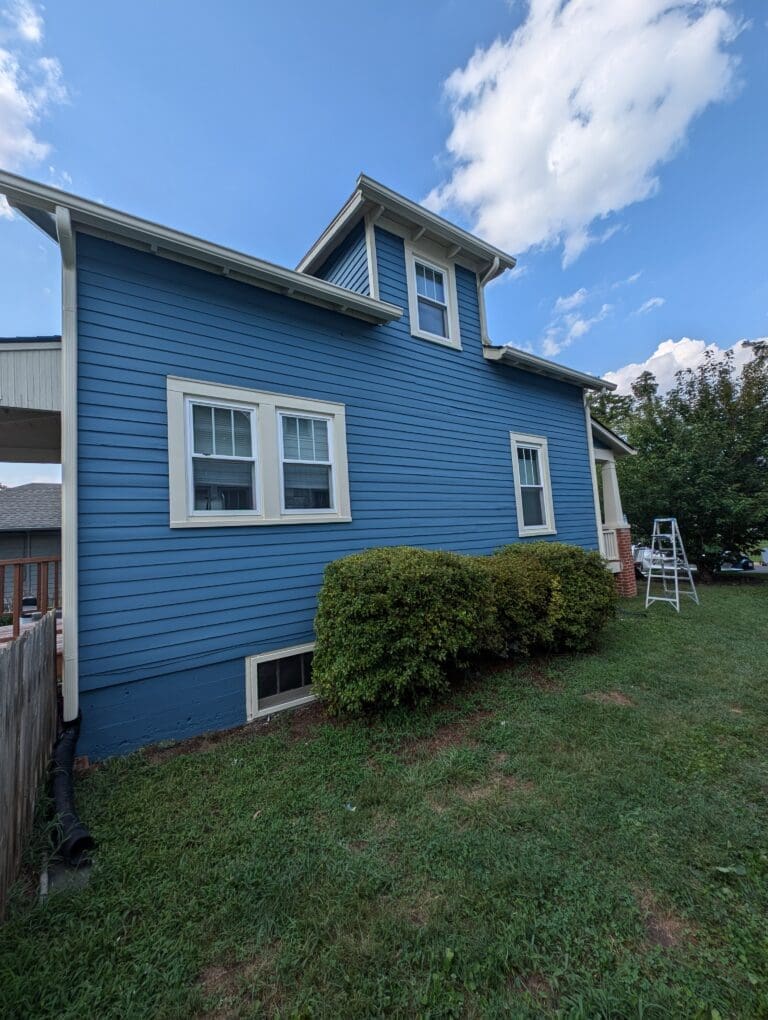
Exterior paint faces UV radiation, moisture cycling, and temperature swings. A single coat rarely delivers enough protection. The first layer penetrates wood fibers or bonds to masonry. The second layer builds a weather-resistant shell that sheds water and slows degradation.
Wood siding illustrates the point clearly. Grain raises after the first coat as fibers swell. Light sanding followed by a second pass locks those fibers down and seals end grain more thoroughly. Masonry and stucco absorb at different rates across the wall. A follow-up coat balances those differences and reduces the chance of efflorescence pushing through.
Color Changes and Coverage Challenges
Shifting from a light color to a dark one or the reverse almost always requires a second coat. Primers help, yet finish coats still need build to block the previous hue. Reds, yellows, and deep blues carry less opacity due to pigment chemistry. Two finish coats provide the saturation expected from the color chip.
Metallic and specialty finishes also rely on multiple layers. Flakes and additives orient more evenly after the base has sealed. The second coat aligns those particles, producing consistent reflectivity.
Application Technique During the Second Pass
Technique often changes on the follow-up coat. Rollers may be loaded slightly lighter to avoid texture buildup. Cut lines are refined with steadier strokes since the wall now accepts paint evenly. Sprayed finishes receive cross-hatching passes to ensure uniform thickness.
Edge management matters. Painters maintain a wet edge across sections to avoid lap marks. The sealed surface beneath grants more working time, yet discipline remains essential. Consistent pressure and overlap keep the film even.
Measuring Success Beyond Appearance
A completed second coat should meet measurable standards. Dry film thickness gauges confirm whether the paint meets manufacturer specs. Adhesion tests verify bonding between layers. Visual checks under raking light reveal whether leveling has occurred.
Performance over time offers the final proof. Surfaces resist scuffing, clean more easily, and maintain color longer when the system reaches proper thickness. Those benefits stem directly from the second coating rather than from brand selection alone.
Common Myths Around Second Coats
A frequent belief suggests higher-quality paint removes the need for a second pass. Premium products still specify two coats for rated performance. Another myth assumes primer replaces a finish coat. Primer prepares and bonds; it does not deliver the durability or sheen control of a topcoat.
Some think touch-ups equal a full second coat. Spot repairs rarely blend seamlessly because surrounding areas lack uniform film build. A complete follow-up pass avoids patchiness.
Deciding When a Second Coat Is Essential
Surface condition, color change, exposure level, and desired longevity guide the decision. High-traffic interiors, sun-exposed exteriors, and detailed trim nearly always warrant a second coat. Low-impact areas with minimal color shift may appear acceptable at one coat, yet longevity still improves with another pass.
Professional judgment weighs these factors on site. The decision rests less on shortcuts and more on achieving a finish that performs as intended.
Final Thoughts on Long-Term Results
Second coating represents the difference between paint that merely looks finished and paint that functions as a protective system. The added time and material deliver measurable gains in durability, color stability, and surface protection. Skilled application during that stage defines the lifespan of the work.
Homeowners and property managers who plan for a second coat tend to see fewer maintenance issues and better value over time. Craftsmanship shows most clearly during that follow-up pass, where preparation, timing, and technique converge to complete the job the right way.