
Professional vs. DIY Painting: What Homeowners Should Consider Before Picking Up a Brush
Fresh paint changes the feel of a home faster than almost any other improvement. Walls look cleaner, rooms feel brighter, and curb appeal improves instantly. Many homeowners feel tempted to handle the work on their own, especially with endless online tutorials promising quick results. Others prefer to rely on trained painters who work with precision and tested processes every day. Alpha Painting LLC handles projects across Fredericksburg and surrounding areas, and our team often meets clients who attempted DIY first and later realized how challenging the work can become.
This article breaks down the real differences between professional painting and DIY painting so homeowners can make an informed decision before starting their next project.
Table of Contents
Time Commitment and Project Management
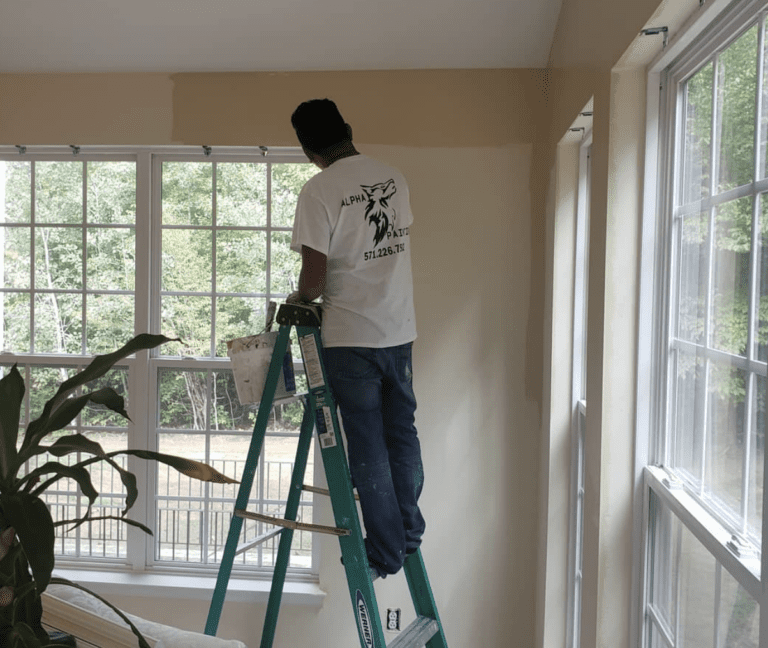
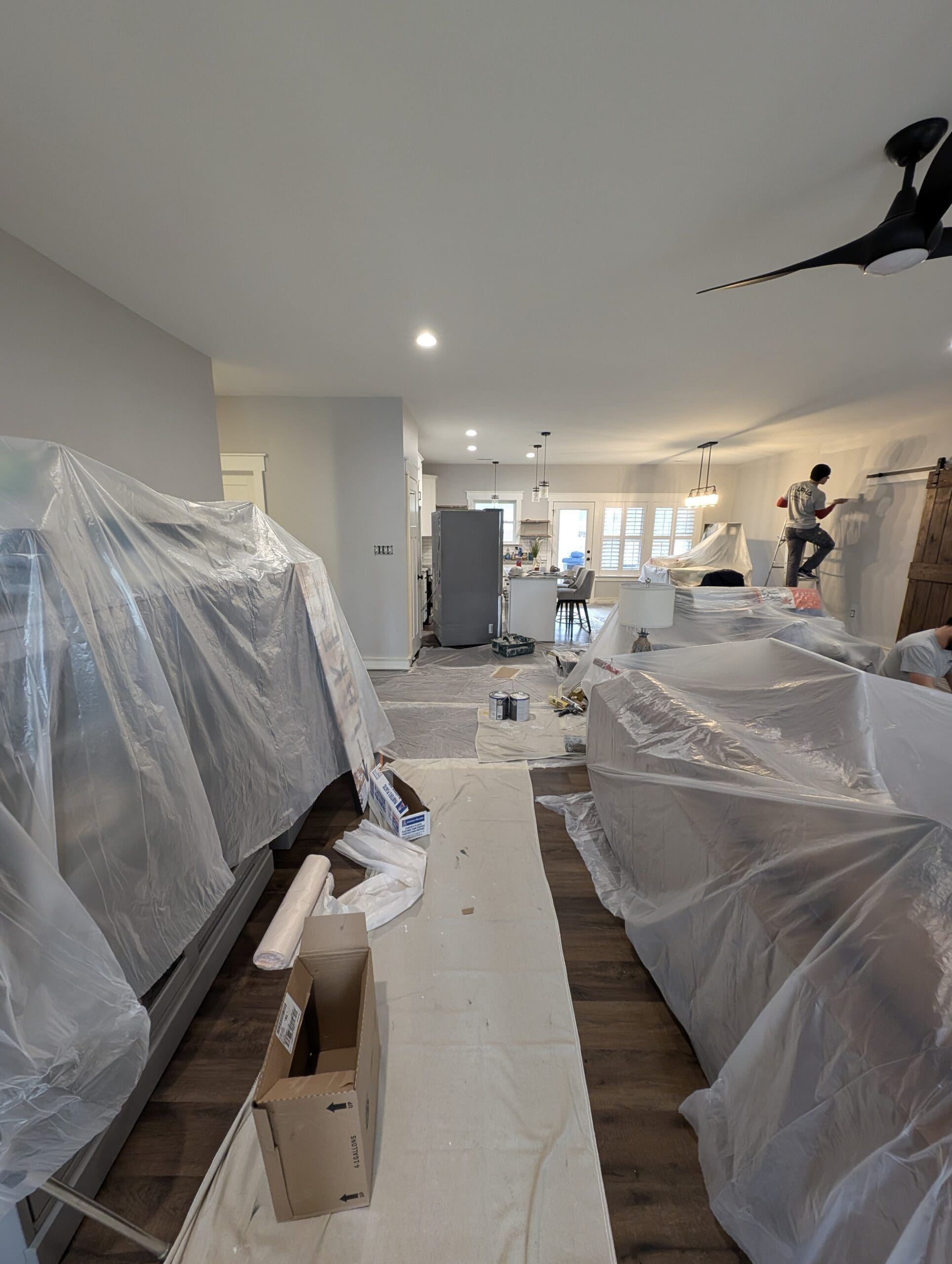
Painting often appears simple from the outside: buy paint, prep the walls, roll it on, and call it done. Once the work begins, the time requirement grows quickly. Interior rooms need furniture moved, floors covered, trim protected, and wall surfaces repaired. Exteriors demand safe ladder work, weather monitoring, and extensive cleaning before any primer or finish coat touches the surface.
DIY painters typically work during evenings or weekends, stretching a project that could be completed in two days by a crew into two weeks or more. Drying times, fixing mistakes, and repeated trips to the hardware store extend the schedule further. Professional painters approach the job with a clear sequence that eliminates wasted time. Rooms get prepped in an organized manner, paint is mixed accurately from the start, and coat times are managed to keep the project moving. Homeowners who choose the DIY route often underestimate how long a full job truly takes, especially when juggling work, family, and daily routines.
Surface Preparation and Repair Quality
Durability depends far more on prep work than on the paint itself. Smooth, long-lasting finishes require careful surface cleaning, sanding, patching, caulking, and priming. Skipping steps leads to visible roller marks, peeling, flashing, or uneven texture that no topcoat can hide.
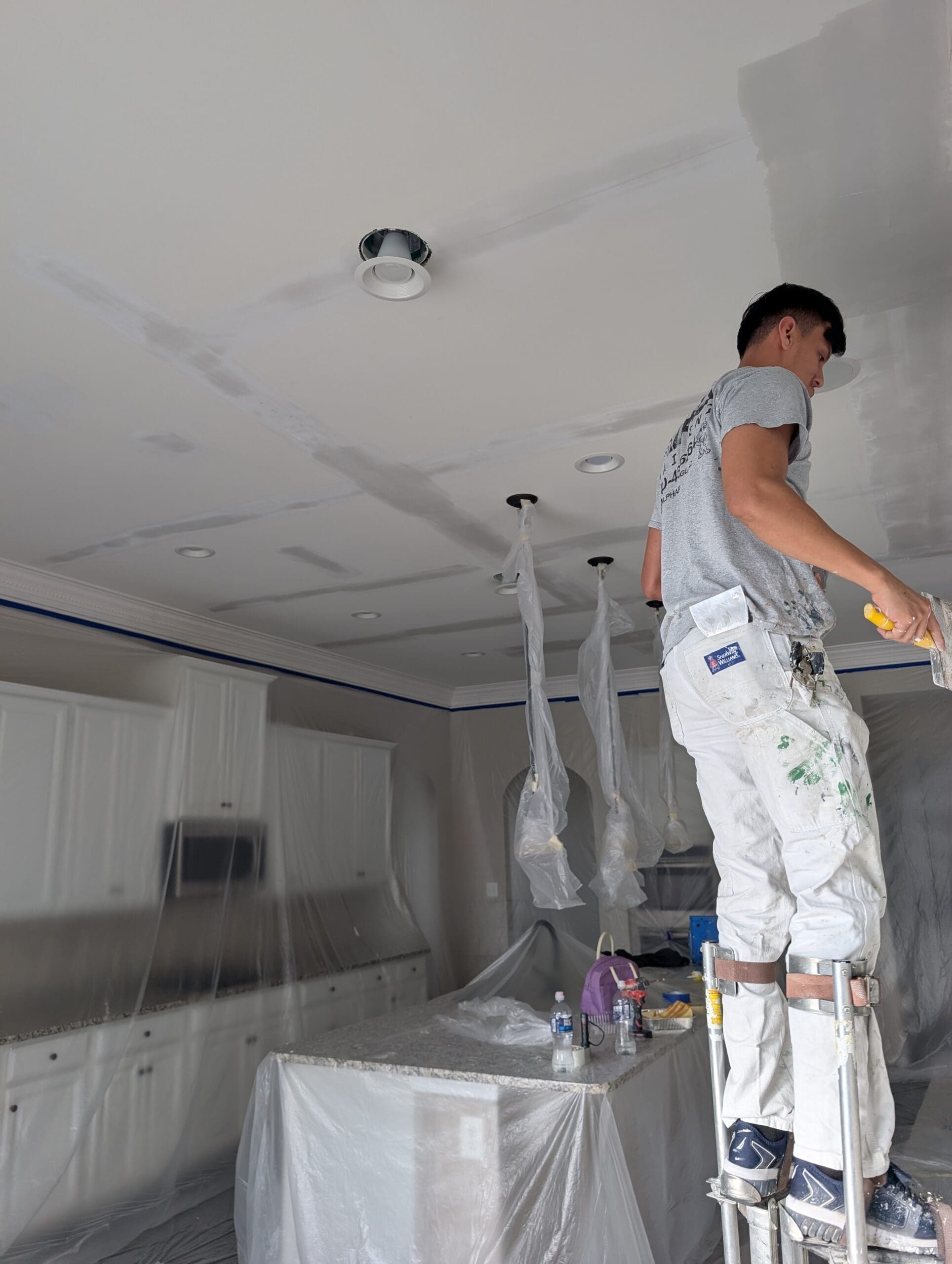
Homeowners tackling the job themselves generally focus on the painting stage, but surface prep requires a trained eye. Small nail pops, hairline cracks, water stains, and failing caulk lines might seem minor, yet they signal underlying issues that should be corrected before painting. Professionals know how to restore these surfaces properly and understand which primers or fillers to use for specific materials. That level of precision prevents future headaches and helps the finished paint hold up for years rather than months.
DIY prep also generates dust and debris that can settle into fresh paint if the space is not managed correctly. Proper containment, ventilation, and clean-workspace habits make a big difference, and seasoned painters treat prep as an essential part of their craft, not an afterthought.
Tools, Materials, and Product Knowledge
Quality tools matter. A premium brush delivers sharper lines, and a high-grade roller leaves a smoother texture. Professional contractors use products designed for durability, coverage, and predictable finish quality. They also understand the differences between sheens, formulation types, and specialty coatings designed for kitchens, bathrooms, masonry, decks, or siding.
DIY painters often choose tools and paint based on budget or convenience, assuming all products perform similarly. Lower-quality rollers shed lint, bargain brushes leave visible strokes, and lower-grade paint requires extra coats to cover properly. Many homeowners also struggle with color selection, not realizing how lighting, undertones, and architectural style affect the final appearance. Professionals help guide these decisions so the finished look matches the homeowner’s expectations.
Specialized tools become even more important for exteriors. Power washers, moisture meters, sprayers, heavy-duty ladders, stabilizers, and safety gear ensure proper application and reduce hazards. Buying or renting all this equipment quickly raises the cost of a DIY project, often matching or exceeding the price of hiring skilled painters.
Safety Considerations Indoors and Outdoors
Exterior work requires careful ladder use, especially on multi-story homes or surfaces near sloping ground. Falls are one of the leading causes of home-improvement injuries. Professional crews use stabilizers, harnesses when necessary, and techniques that reduce the risk of accidents. They know how to work efficiently on high areas without compromising safety.
Interior painting includes its own hazards. Oil-based primers, strong cleaners, and certain surface treatments produce fumes that require proper ventilation. Removing older paint layers might reveal coatings containing lead, particularly in homes built before the late 1970s. Handling this type of material requires certified training and strict containment procedures. Without professional guidance, a DIY painter may unknowingly create a health hazard.
Even simple tasks like moving heavy furniture or climbing step stools carry some level of risk. Skilled painters perform these activities daily and understand how to navigate tight spaces, awkward angles, and overhead work safely.
Consistency and Finish Quality
The difference between “good enough” and “professional-grade” usually becomes clear when the sun hits a freshly painted wall or siding. Brush strokes, roller lines, patchy areas, drips, and uneven edges tend to appear only after the paint dries. Touch-ups rarely blend seamlessly unless performed with the right technique.
Professionals maintain consistent pressure, coverage, and stroke patterns so walls look smooth and uniform from every angle. Trim, doors, cabinets, and exterior details require steady hands and practiced skill to achieve sharp lines without tape overload or smudging. Exterior surfaces with texture—such as stucco, brick, or older wood—also demand a painter who knows how to work the product into every crevice to protect the material from moisture.
DIY painters can achieve good results on small areas, but entire homes present many variables. Temperature changes, humidity, sunlight, and surface condition all affect the finish. Professionals plan around these factors so the paint cures correctly and performs as intended.
Long-Term Durability and Maintenance
A freshly painted room always looks great during the first week, whether it’s done by a homeowner or a professional. The real test arrives months and years later. Proper surface prep, premium products, and correct application add years of life to the finish. Peeling, blistering, or fading often traces back to rushed prep, incorrect primer, or too-thin coats.
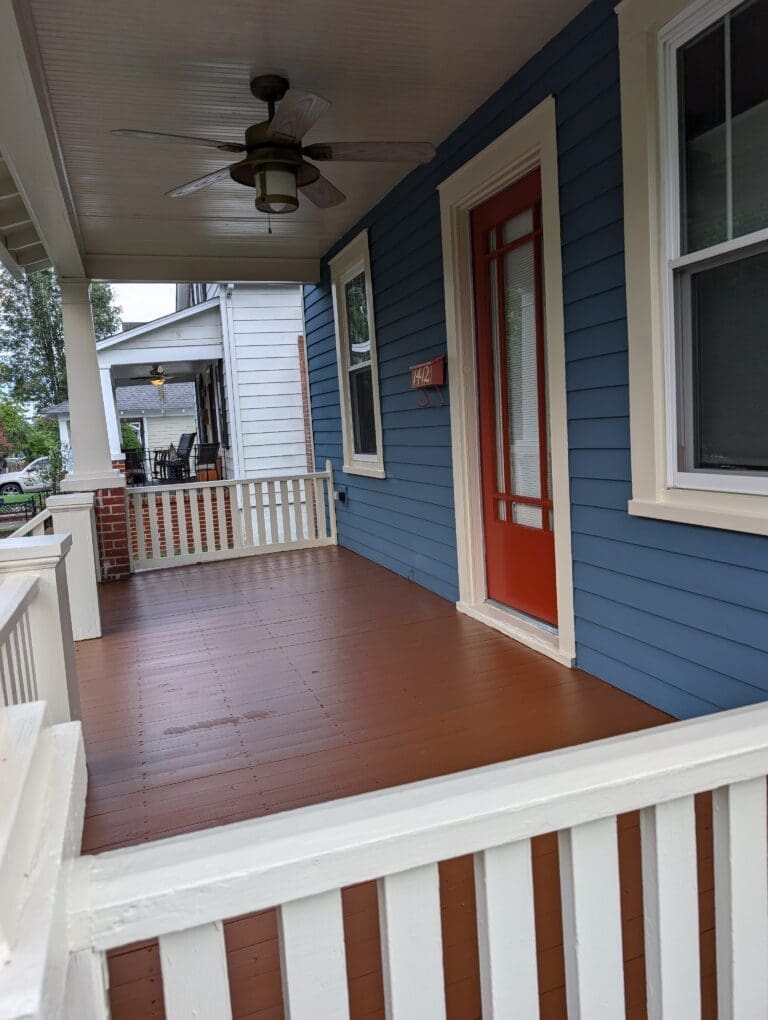
Exterior paint faces harsher conditions—sun, rain, humidity, and temperature swings. Even a small lapse in coverage can allow moisture to penetrate, leading to rot or mold. Skilled painters apply the right thickness, work the paint into gaps, and seal vulnerable joints so exterior surfaces stay protected longer.
Homeowners who DIY sometimes end up repainting sooner, spending more time and money than expected. A well-completed professional job reduces maintenance needs and extends repaint cycles, saving money over the long term.
Cost Comparison and Hidden Expenses
DIY painting seems less expensive at first glance. After all, paying for labor feels like the biggest chunk of any home-improvement budget. Yet DIY costs stack up quickly once all materials, tools, surface repairs, and safety items enter the picture. Multiple store trips, incorrect product choices, or fixing mistakes also drive the price higher.
Professionals estimate the job accurately from the beginning, including the correct quantity of paint and materials. They minimize waste, prevent accidental damage to floors or furnishings, and avoid costly errors. Their work increases property value when done well, particularly for homes being prepared for sale.
Homeowners should consider the value of their own time, too. A weekend spent painting is a weekend not spent with family or on other responsibilities. If the project stretches into several weeks, the inconvenience grows even larger.
When DIY Makes Sense and When to Call a Pro
Some homeowners genuinely enjoy painting and have the patience and detail-oriented mindset needed for careful prep and tidy finish work. Smaller projects—accent walls, a single bedroom, or light touch-ups—can be satisfying and manageable. However, whole-home interiors, exteriors, high ceilings, cabinets, and complex trim work benefit from professional skill and tools.
Any project involving damaged drywall, moisture issues, peeling exterior layers, lead paint, multiple stories, or detailed surfaces should be handled by experienced painters. Those tasks require expertise that goes far beyond applying a coat of paint.
Making the Right Decision for Your Home
Fresh paint upgrades a space instantly, but the path to a flawless result varies depending on the approach. DIY painting offers a sense of accomplishment and flexibility, yet demands patience, skill, and significant time. Professional painting delivers consistent craftsmanship, safety, and long-lasting protection for the home.
Homeowners weighing these options should look at the scale of the project, the required prep work, available tools, and the amount of time they can realistically devote. A well-executed paint job adds beauty and value to a home, and choosing the right approach helps ensure that the final result meets expectations and stands the test of time.