

Ideal Temperature to Paint Exterior Surfaces: What Homeowners Should Know
A successful exterior paint job depends heavily on timing, and the temperature plays a major role in how well paint bonds, cures, and holds up over the years. Many homeowners choose colors carefully and invest in quality products, yet overlook the weather conditions that determine whether a finish turns out smooth or struggles to last. Alpha Painting LLC handles this challenge for clients across Fredericksburg and surrounding communities by planning projects around the right seasonal windows, and that scheduling strategy is a key part of achieving long-lasting results.
Table of Contents
Understanding Why Temperature Matters
Paint isn’t just a colored coating; it’s a blend of resins, pigments, and solvents that react to the environment from the moment the can opens. Once applied, the formula depends on evaporation and curing. Exterior temperatures speed up or slow down this chemistry. When the air is too cold, paint may thicken, drag during application, or remain soft long after the job is finished. When the air is too hot, paint may dry too quickly at the surface, creating uneven sheen, brush marks, or premature cracking.
Professional painters monitor temperature not only during application but also afterward, because the first hours of drying are critical. Paint needs a steady environment to settle and bond properly. A roller or brush can only do so much; the weather finishes the job. That’s why understanding temperature ranges gives homeowners a major advantage when planning exterior improvements.
Ideal Temperature Range for Exterior Painting
Most exterior latex paints perform best between 50°F and 85°F. This range supports proper flow, workable drying time, and a strong final cure. Many modern paints can stretch slightly below or above these numbers, but performance declines the further the weather drifts from the preferred window.
Oil-based paints lean toward higher minimum temperatures, often around 45°F or higher, since cooler weather thickens the product considerably. Latex formulas adapted for colder temperatures do exist, yet they still require conditions that allow the coating to form a solid film. Even when the label says a paint can handle low temperatures, pushing the limits increases the odds of long-term problems like flaking or dull patches.
Choosing a day that falls within the recommended temperature range is only part of the equation. The surface itself must also be within this range. A wall heated by hours of direct sunlight can easily reach 20 degrees hotter than the air, and that can cause issues even when the forecast appears ideal. Professionals routinely check both air and surface temperatures throughout the job to prevent missteps.
The Challenge of Heat and Direct Sun
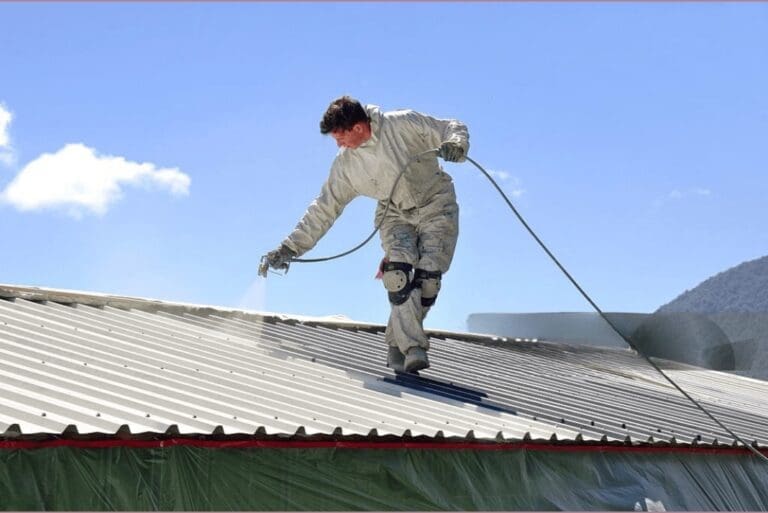
Hot weather creates a different set of concerns. If the sun strikes a surface directly, paint may flash-dry. This means the outer layer dries almost instantly, trapping moisture underneath. The trapped moisture weakens adhesion and can lead to blistering or peeling long before the job reaches its expected lifespan.
A surface that dries too fast also becomes difficult to maintain for appearance. Brush strokes stand out, lap marks appear where sections overlap, and darker colors may develop uneven sheen levels. These flaws can’t be removed once they set, so working within the right temperature window prevents them from forming in the first place.
Professional crews adjust their workflow based on sun patterns. Painters often begin on the shaded side of a home and follow the shade as the day progresses. This practice protects the finish from heat-related defects and keeps the paint workable while it’s being applied.
The Risks of Cold Weather Painting
Cold weather delays drying and curing, leaving paint vulnerable to dust, insects, and moisture. A coating that stays soft for too long attracts debris, and the trapped particles create bumps and imperfections once the surface eventually hardens. Slow curing can also weaken the film and reduce resistance to moisture, UV rays, and everyday wear.
Another problem that cold weather introduces is condensation. Evening temperatures often drop quickly, causing dew to form. If paint hasn’t cured sufficiently before that happens, the finish can streak, discolor, or wash away in patches. Even a perfectly applied coat can fail overnight if temperatures fall drastically.
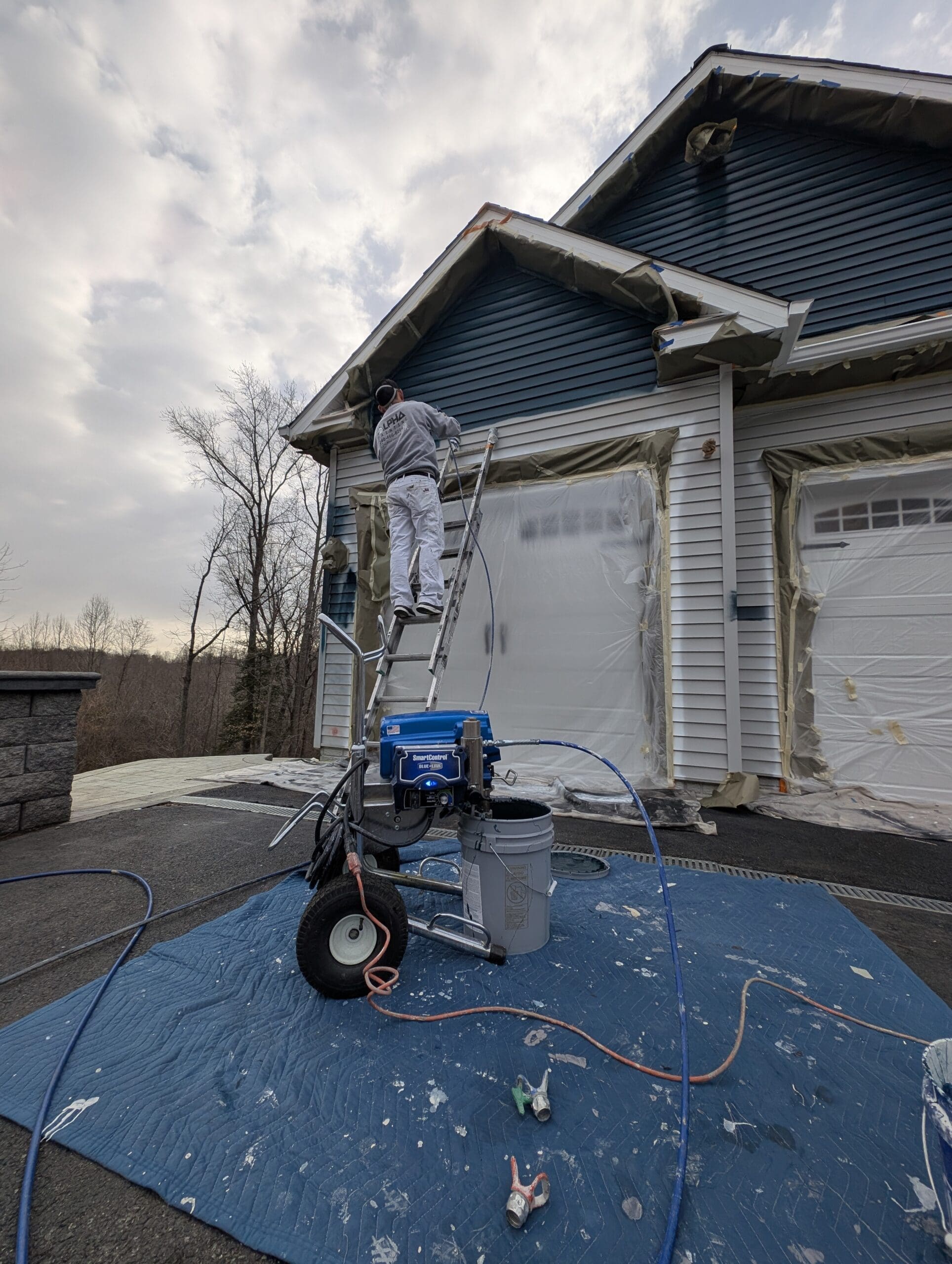
Late fall and early spring painting can be safe when monitored closely, but the work requires patience and a very careful schedule. Homeowners planning their own projects often underestimate how quickly afternoon temperatures fall, especially once shadows grow long. A warm midday high might seem safe, but the paint needs several steady hours afterward to cure without being stressed.
Humidity’s Role in Temperature-Dependent Painting
Humidity and temperature work together. High humidity slows drying, regardless of the thermometer reading. Low humidity speeds things up, sometimes too much. When combined with extreme heat or cold, humidity swings can magnify the problems described above.
On a humid day, paint takes longer to settle and may sag on vertical surfaces. On a very dry, hot day, paint may dry almost instantly after leaving the roller. The most reliable painting conditions occur when humidity sits between 40% and 70%, paired with temperatures in the recommended range.
Rain also needs to be considered closely. Even if a day appears warm enough, any rain scheduled within the next 24 hours can threaten fresh paint. The coating needs adequate time to resist moisture. Professional painters often pause projects when storms are nearby because skipping a day is better than compromising the finish.
Seasonal Timing and Regional Considerations
Fredericksburg and the broader Northern Virginia region experience four distinct seasons, which means the right painting window shifts throughout the year. Spring often begins with chilly nights, making early-season projects tricky unless temperatures remain stable. Summer brings the warmth needed for paint to cure efficiently, yet the heat and humidity require painters to balance application times carefully. Fall offers some of the most consistent painting days, though shorter daylight hours can reduce the working window.
Every region has its ideal times. Coastal areas may have humidity challenges more often. Mountainous locations may experience large temperature swings even in a single afternoon. Urban areas sometimes stay warmer due to heat absorption from buildings and pavement. Homeowners benefit from monitoring not just the weather forecast, but also the unique conditions surrounding their property.
Early Morning and Late Afternoon Timing
Even the perfect day can be ruined by poor timing. A temperature that appears safe at 10 a.m. might have been too cold at 7 a.m. when the first coat was applied. Likewise, a warm afternoon can cool rapidly after sunset.
Painters typically avoid starting too early. Morning dew must evaporate completely from siding, decks, doors, and trim before any coating touches the surface. Moisture trapped under paint creates adhesion problems. Once the sun has dried the surface, painters often work through midday and into the afternoon, finishing early enough to allow several hours of stable curing before temperatures fall.
A similar strategy applies to heat. If a forecast predicts very high temperatures by midday, crews often begin early, taking advantage of the cooler morning shade before the sun moves across the house.
How Temperature Influences Paint Longevity
The lifetime of exterior paint depends on how well it bonded during application. Even premium paint won’t live up to expectations if temperature conditions weren’t controlled. Proper curing strengthens the film, allowing it to resist cracking, fading, moisture intrusion, and mildew growth.
Homeowners who want their exterior paint to last should prioritize weather conditions as much as product choice. A well-prepared surface combined with ideal temperatures can extend the lifespan of a finish significantly. Better longevity means fewer repaints, lower maintenance costs, and more predictable upkeep.
Practical Tips for Choosing the Best Painting Day
Choosing the perfect day may feel tricky, but a few habits make the process easier. Checking extended forecasts helps avoid unexpected drops in temperature or surprise storms. Planning for a stretch of consistent, moderate weather gives the paint ample time to cure. Monitoring both air and surface temperatures keeps the work aligned with manufacturer recommendations, and waiting for the right humidity range protects against slow drying and surface flaws.
Professional painters use moisture meters, infrared thermometers, and other tools to assess conditions before opening a single can of paint. Homeowners tackling their own projects can rely on similar practices or lean on a pro who handles all those variables for them.
Bringing It All Together
Exterior painting requires more than choosing the right color or brand. The weather ultimately decides whether the coating bonds well or breaks down prematurely. Temperature, humidity, sunlight, and timing each influence the end result. A day that falls within the ideal range of 50°F to 85°F, paired with steady conditions before and after application, sets the stage for a smooth, durable finish.
Homeowners who respect these temperature guidelines see better results every time. A well-timed paint job delivers stronger protection, richer color, and a finish that stands up to the seasons year after year. Weather may feel unpredictable, but with the right planning, exterior painting becomes far more dependable—and far more rewarding.