

How Much Does It Cost to Paint a Ceiling? A Detailed Breakdown for Homeowners
Painting a ceiling tends to feel straightforward until you begin evaluating labor, materials, prep needs, and the condition of the existing surface. Homeowners often focus on wall painting first, yet the ceiling sets the tone for the entire room. A clean, properly finished ceiling brightens spaces, hides imperfections, and completes the overall look. Many clients who contact Alpha Painting LLC in Fredericksburg, VA ask what contributes to ceiling-painting costs, which shows how commonly this question comes up during project planning.
Understanding pricing requires more than tossing out a generic national average. Ceiling sizes vary, ceiling heights vary, textures vary, and access challenges differ from room to room. Each factor influences the time, skill, and paint volume needed. A flat 8-foot smooth ceiling in a bedroom might be one of the simplest tasks in residential interior painting. A vaulted, textured, water-stained, or previously poorly painted ceiling becomes something entirely different. This guide walks through those differences so you can plan more confidently.
Table of Contents
What Homeowners Typically Pay
Ceiling-painting costs in the United States generally sit between $1.00 and $3.50 per square foot, depending on complexity. Most standard bedrooms and living rooms fall somewhere in the middle of that range. A typical 12×12 room with 144 square feet of ceiling space might cost $175–$350 under normal conditions. Larger living areas or ceilings with special challenges can rise from there.
Those numbers act as a baseline rather than a promise. Room conditions often push the final price slightly up or down. Ceiling height affects labor time, texture affects material use, and prep requirements influence how long the painter spends getting the surface ready before a single drop of paint goes on. Understanding how these elements interact helps you estimate where your project might land.
How Ceiling Height Changes the Price
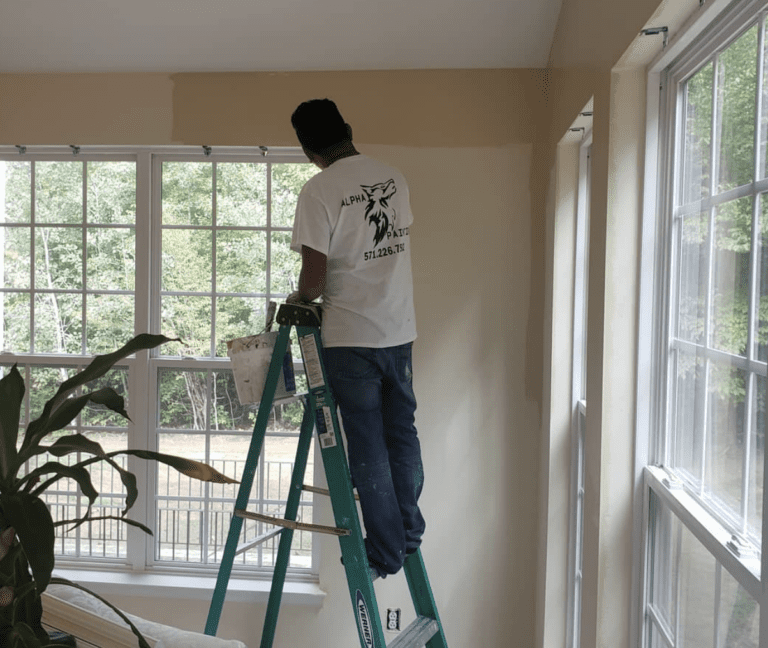
Standard 8-foot ceilings fall on the lower end of pricing because they allow painters to work comfortably from standard ladders with minimal setup. Everything becomes faster: taping, cutting in around the edges, and moving from section to section. Labor accounts for most of the job cost, so lower ceilings tend to be more affordable.
Ceilings that rise to 10, 12, or 14 feet require extra setup time, including safer ladder or scaffold placement. Painters must work from elevated positions, move equipment more frequently, and apply paint with longer poles. This slows the process and increases the strain of the work. Ceilings above 14 feet accelerate costs even faster, especially if the structure is vaulted or has beams. Angles and height variations demand additional cutting, maneuvering, and safety precautions.
High ceilings can easily reach $2.50–$4.00 per square foot, even when the surface is smooth and in good condition. The added cost reflects time, not just height.
Texture and Its Impact on Pricing
Texture plays a major role in coverage and material consumption. Smooth ceilings accept paint evenly and require fewer coats, allowing painters to complete them efficiently. Textured ceilings, on the other hand, absorb paint at a much higher rate. Popcorn ceilings in particular soak up paint quickly, and achieving an even finish often demands specialized rollers or spray equipment.
Spraying textured ceilings can produce a more uniform result while saving some labor time, but spraying requires extensive masking and plastic sheeting to protect the entire room. That prep time offsets the speed gained by spraying.
Heavily textured ceilings, popcorn surfaces, or ceilings with shadow lines may cost $1.50–$3.00 per square foot depending on severity. If the texture needs repairs or removal before painting, the cost rises further.
The Condition of the Surface Matters Even More
Few ceilings exist without at least some imperfections. Everyday wear brings small cracks, settlement lines, nail pops, or discoloration from moisture. These flaws often show up more clearly once paint is applied, which is why proper prep is essential.
Surface preparation may involve patching holes, repairing seams, caulking gaps, sanding rough patches, or applying stain-blocking primers. Smoke damage, water marks, and previous leaks often require specialized primers to stop bleed-through. These primers cost more than standard ones, and they also require more time to apply.
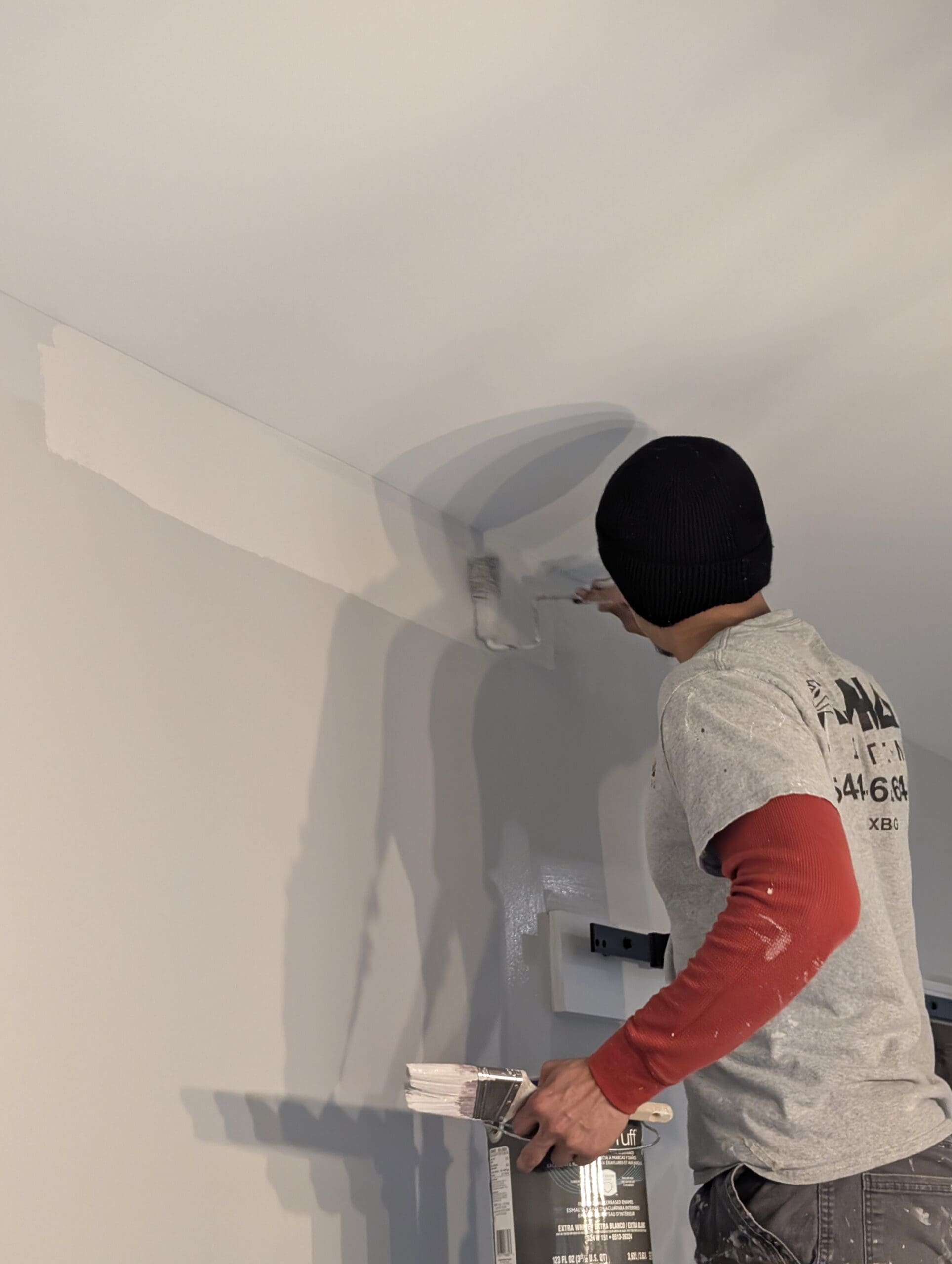
A ceiling with clean, smooth surfaces may need nothing more than minor patching and a quick sanding. A ceiling with stains or repairs may require spot-priming or full priming before painting. Full priming adds to the labor hours and pushes total cost closer to the higher end of the typical range. Severe damage can require even more extensive repairs before painting can begin.
Paint Quality and Coats Needed
Homeowners often underestimate the difference between paint qualities, especially when it comes to ceilings. Ceiling paint has a distinct purpose: reduce glare, hide imperfections, and provide uniform coverage with minimal reflectivity. Lower-quality paints may streak, show roller lap marks, or require multiple coats.
Higher-end ceiling paints offer better coverage and greater hide, reducing the number of coats needed. Since ceilings are more difficult to work on than walls, the total labor saved when using better paint can outweigh the extra material cost. Light-colored ceilings usually require one solid coat after priming. Darker ceiling colors or color changes may require two or more coats.
Material costs typically make up a smaller portion of the total price, but the amount and type of paint still influence the final figure. Paint expenses usually range from $20 to $70 per gallon or more, depending on the product selected.
Room Layout and Access Challenges
Not every room offers easy access to the ceiling. Crowded rooms, large furniture, built-ins, and tight hallways complicate the process. Painters may need to cover items, move furniture, or work around obstructions. All of this adds time.
Kitchens present special challenges due to cabinets, appliances, and lighting. Bathrooms also require careful attention because of moisture issues and tight spaces. Living rooms with ceiling fans, recessed lighting, skylights, or beams naturally take longer to tape and paint around.
Vaulted ceilings introduce angles and height variations, while tray ceilings include multiple levels that require precision cutting and extra labor. These architectural features add elegance to a home but also add cost to a painting project.
Geographic and Market Differences
Regional labor rates influence pricing as well. Urban areas often carry higher labor costs, while rural areas may fall on the lower end. Painters also factor in travel time, local material costs, and seasonal demand. Ceiling painting tends to be more expensive in markets where skilled labor is in short supply or where interior work surges during colder months.
DIY vs. Hiring a Professional
Homeowners frequently debate whether to paint ceilings themselves. Ceiling work is physically demanding because of the overhead angle, and it becomes more challenging when dealing with texture, height, or existing damage. Mistakes such as roller lines, paint drips, uneven edges, and inconsistent coverage tend to show more visibly on ceilings than on walls.
Hiring a professional ensures even coverage, clean lines, proper prep, and correct primer selection. A pro understands how to prevent flashing, how to manage texture, and how to achieve a consistent finish. While hiring a painter may cost more than buying a few gallons of paint, the quality difference becomes clear once the project is complete. Ceiling mistakes are difficult to hide and often require professional correction.
When Extra Services Affect Pricing
Certain conditions will raise the cost beyond standard ranges. Water damage repairs, heavy stains, nicotine or smoke residue, and peeling paint all require additional steps. Removing popcorn texture drastically increases labor because it must be scraped, smoothed, sometimes skim-coated, primed, and then painted. Lighting changes or electrical work may also require patching or drywall repair, which adds to the total cost.
Some ceilings require specialty primers to block smoke, odors, or severe discoloration. Specialty primers cost more than standard ones and require longer drying times. These extra steps help seal problem areas to ensure the paint finish remains clean and uniform.
Square Footage vs. Room Count
Many homeowners assume painters charge by room. This works only as a general guideline. Square footage offers a more accurate measure because it reflects the actual surface being painted. Two rooms of identical size may vary significantly in cost if one has a smooth ceiling and the other has heavy texture, recessed lighting, and crown molding.
This is why painting companies prefer measuring the ceiling and evaluating its condition during an on-site visit or walk-through. A quick online estimate rarely captures the full scope.
What Homeowners Can Expect During a Professional Ceiling Paint Job
A typical professional ceiling project includes:
- Protecting floors, furniture, and fixtures
- Light cleaning of the ceiling surface
- Repairing visible cracks, nail pops, or patch areas
- Caulking edges where needed
- Applying primer where necessary
- Cutting clean edges around the perimeter
- Rolling or spraying the ceiling for an even finish
The duration depends on ceiling size, ceiling height, texture, repair needs, and drying time between coats. A simple bedroom may take only a few hours. Larger or more complex ceilings may require the better part of a day or more.
Final Cost Expectations
Most homeowners spend anywhere from $200 for a small, simple room to $1,000 or more for large rooms, high ceilings, or textured surfaces. Multi-room projects often reduce the per-room cost because setup time is spread across multiple ceilings. Specialty repairs, texture removal, or significant prep work raise the overall total.
Ceiling painting may look like a small part of the interior painting process, but it has enormous influence on the brightness and cleanliness of a home. A properly finished ceiling eliminates shadows, freshens the space, and gives the room a complete, polished feel. Planning the project with realistic cost expectations helps homeowners choose the right timing, scope, and materials without surprises.