
Primer for Cabinets: One Coat or Two?
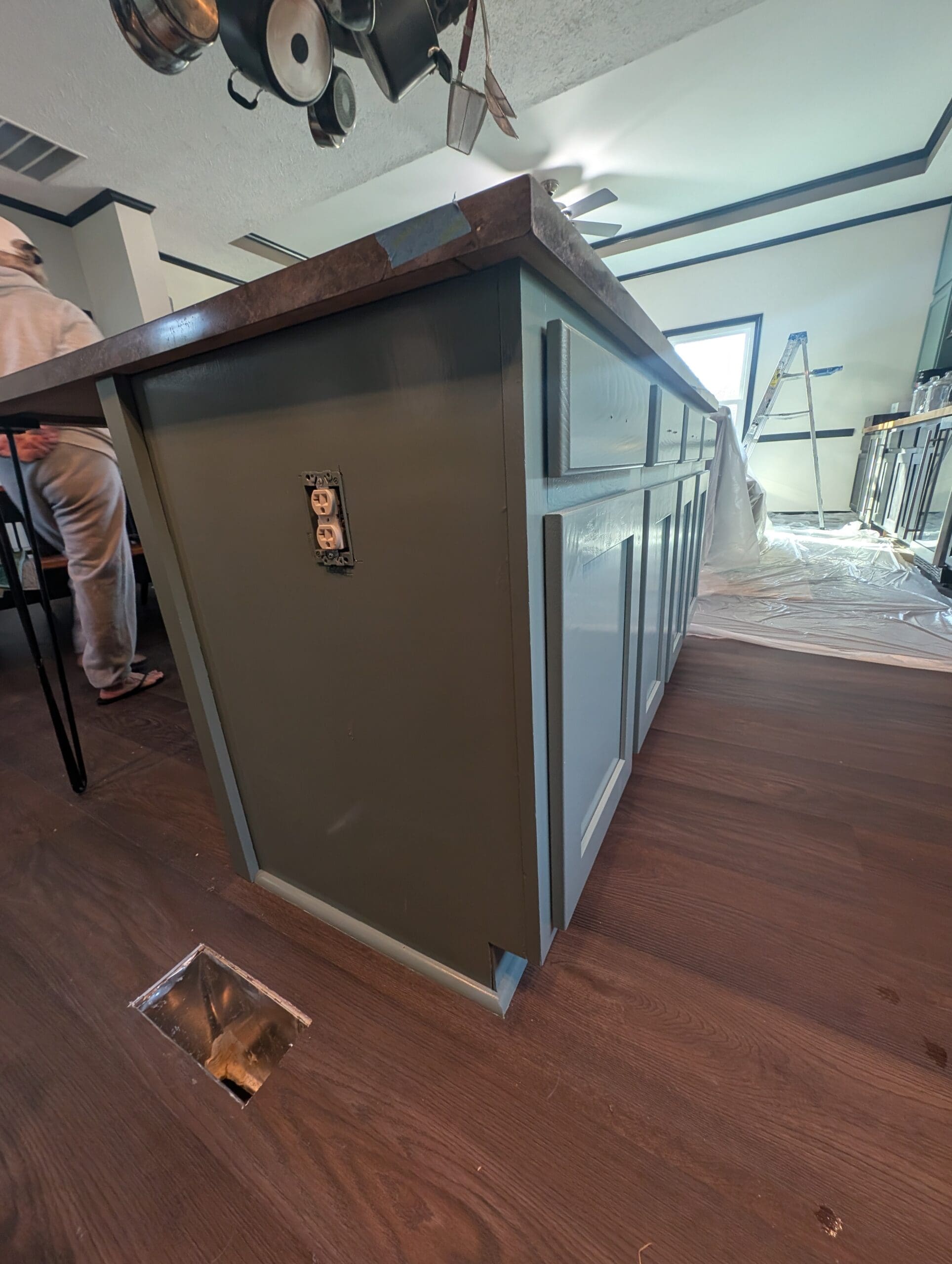
Cabinet painting has become one of the most effective ways to refresh a kitchen or bathroom without the cost of a full remodel. The process seems straightforward—clean, sand, prime, and paint—but anyone who’s handled cabinetry knows it requires more precision than most other interior surfaces. The primer layer in particular can make or break the finish. A question many homeowners ask is whether one coat of primer is enough, or if two coats are necessary for proper coverage and durability.
Professional painters like the team at Alpha Painting LLC in Fredericksburg, VA deal with this question often when refinishing cabinets. The answer depends on several factors: the material of the cabinets, the type of paint being used, the condition of the surface, and the primer itself. Understanding why primer matters and when an additional coat is worth the effort can help ensure that your cabinets look smooth, consistent, and professionally finished.
Table of Contents
Why Primer Is Essential for Cabinets
Cabinets are not like drywall or trim. They endure constant handling, exposure to grease, moisture, and temperature changes. Without proper priming, paint won’t adhere well or resist wear. Primer serves three vital functions: it seals the surface, promotes adhesion, and blocks stains or discoloration from bleeding through.
Many older cabinets—especially those made of oak, cherry, or maple—have open grain patterns or strong natural tannins that can easily discolor paint if not sealed correctly. Primer also helps smooth out the texture of wood grain and creates an even base tone so that the final color appears consistent across all surfaces.
In short, primer sets the foundation. One poorly applied coat or skipping the primer altogether can lead to peeling, uneven sheen, or visible stains within months.
When One Coat of Primer Is Enough
A single coat of primer can be sufficient under the right conditions. If cabinets are in good shape, have a light or neutral original finish, and the primer used is high-quality, one thorough coat can do the job. The key lies in how well the primer bonds to the surface and how evenly it is applied.
For instance, if the existing cabinets have been lightly sanded and cleaned to remove grease or residue, and a bonding primer designed for glossy or sealed surfaces is used, one coat may achieve full coverage. Many professional-grade primers are formulated with strong adhesion and high opacity, which helps cover previous finishes efficiently.
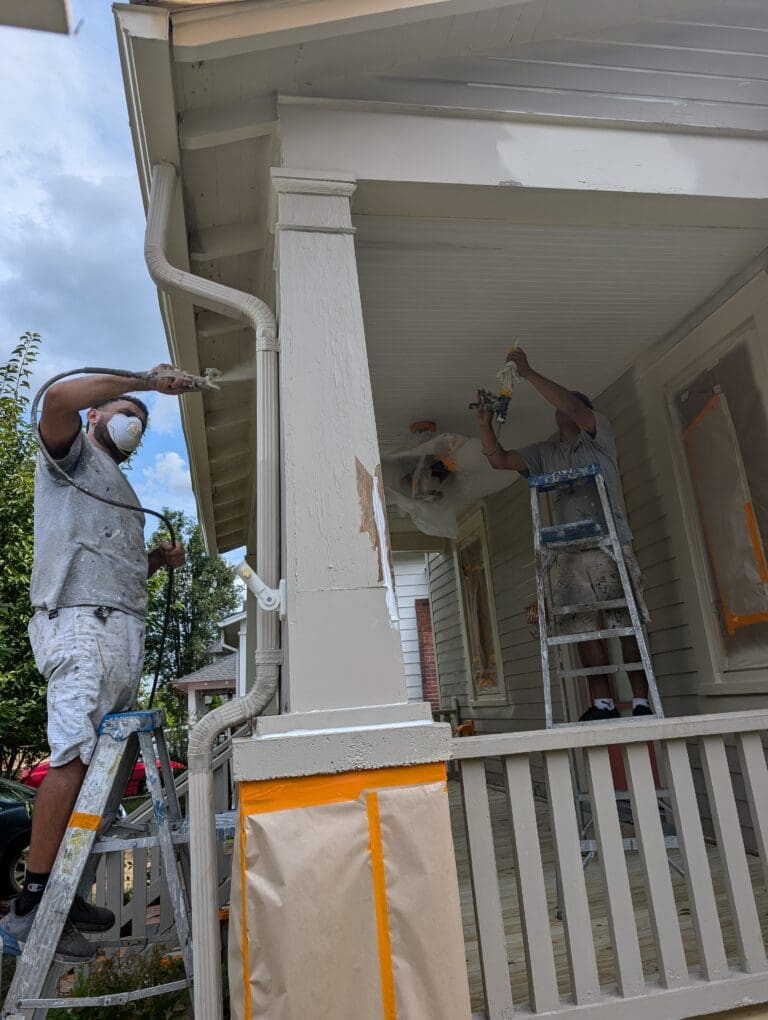
Spray application tends to produce smoother coverage and better consistency compared to brushing or rolling, allowing a single coat to perform effectively. However, even when using a sprayer, uniform application matters just as much as the primer’s quality.
When Two Coats of Primer Make the Difference
Two coats of primer often become necessary when working with darker stains, bare wood, or cabinets previously coated with oil-based paint. These conditions can cause discoloration or adhesion problems if the surface is not adequately sealed. A second coat strengthens the barrier and ensures that the topcoat adheres evenly.
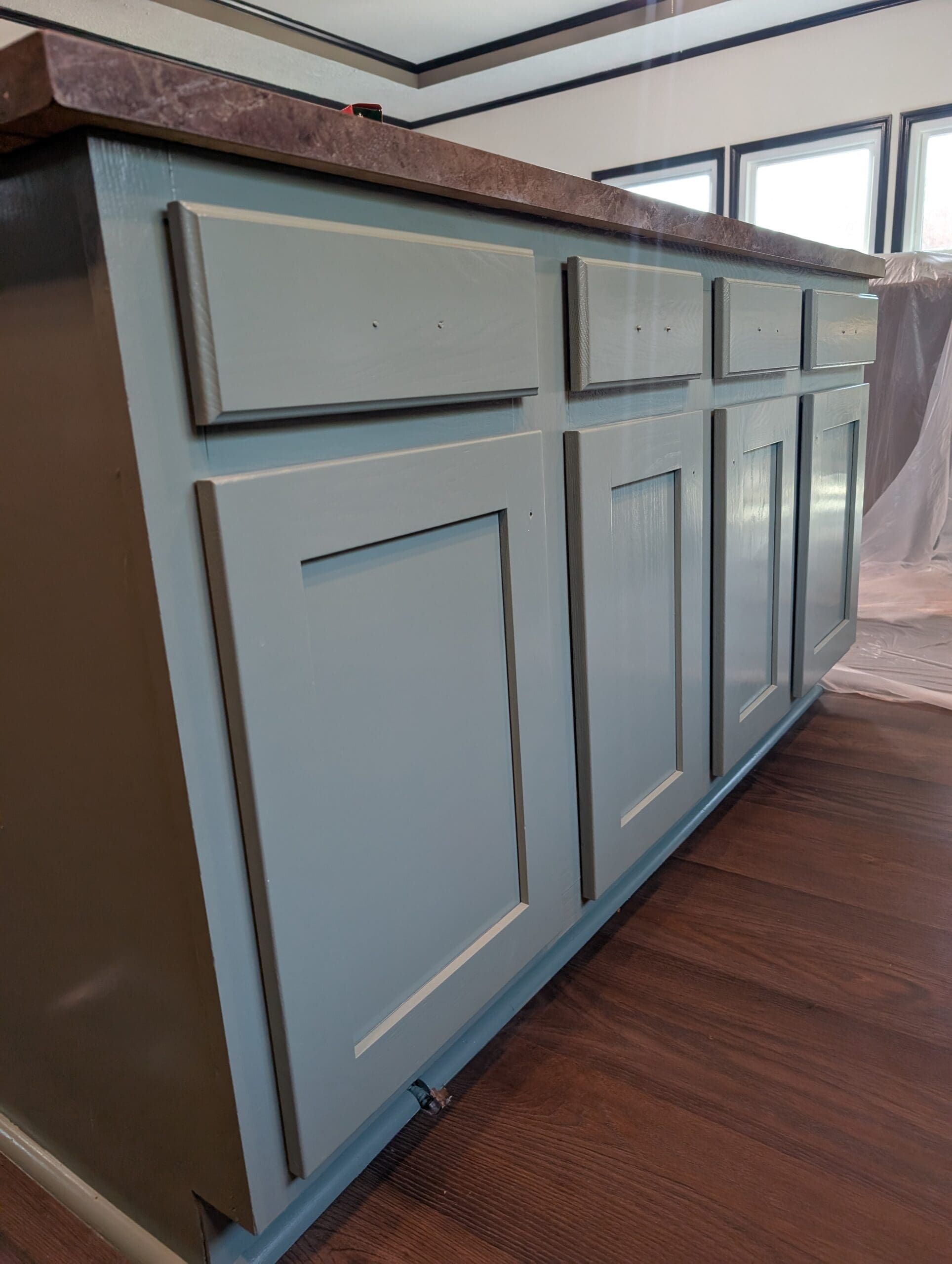
Wood species like oak and mahogany are particularly prone to tannin bleed. The first coat of primer seals the surface, but those natural tannins can still migrate to the surface as the first layer dries. Applying a second coat after proper drying time adds extra protection and ensures that the stain-blocking component of the primer fully does its job.
If you’re dramatically changing color—say from dark espresso to bright white—a second coat of primer can also save time and paint later. It helps neutralize the base color, meaning fewer coats of paint will be needed to achieve solid coverage and prevent the old tone from influencing the new one.
Another case for two coats arises when dealing with MDF or particleboard cabinets. These materials absorb primer quickly, especially along cut edges, which can leave uneven areas. A second coat fills the pores and evens out absorption, creating a smoother foundation for the finish coats.
The Role of Primer Type in Coverage and Adhesion
Not all primers are created equal. Choosing the right product plays a major role in determining whether one or two coats will be necessary. Latex primers are easier to work with and clean up, but they don’t always provide the same sealing power as oil-based or shellac-based products.
Oil-based primers remain a popular choice for cabinets because they penetrate wood effectively and seal in tannins, but they take longer to dry and require solvent cleanup. Shellac-based primers offer the strongest stain-blocking performance and dry quickly, though they have a stronger odor and can be more challenging to apply in large spaces.
Modern bonding primers bridge the gap, providing strong adhesion to glossy or laminate surfaces without the odor or cleanup issues of oil-based options. For cabinets that have already been painted with latex paint and need refreshing, a bonding primer is often enough with just one coat, assuming proper prep.
Selecting the right primer means understanding the cabinet material and the topcoat that will follow. If the primer and paint are from the same manufacturer and designed to work together, coverage typically improves, reducing the need for multiple coats.
Preparation : The Step That Determine Everything
No matter how many coats of primer are applied, surface preparation determines the outcome. Cabinets covered with grease or residue will repel primer no matter how many layers are added. Every professional cabinet refinishing job starts with thorough cleaning using a degreaser or TSP substitute, followed by sanding to remove the gloss and create a surface the primer can grip.
Dust removal is another critical step often overlooked in DIY projects. Any leftover dust can mix into the primer layer and create small bumps that show through the final finish. Wiping with a tack cloth or vacuuming between steps helps prevent this issue.
If preparation is skipped or done poorly, even two coats of primer won’t fix adhesion problems. Conversely, well-prepared surfaces can achieve beautiful results with fewer coats because the primer bonds as intended.
Drying Time and Application Technique
The temptation to apply a second coat too soon can cause more harm than good. Primer needs full drying time to cure and perform its function. If the surface still feels tacky or cool to the touch, it’s not ready. Applying paint or additional primer prematurely can trap moisture and lead to bubbling or peeling.
Manufacturers typically specify drying times on the label, but temperature and humidity can extend or shorten that window. A cool, damp basement or garage will require longer wait times than a climate-controlled space.
The method of application also matters. Brushing can leave uneven areas where the primer is thicker in some spots than others. Rolling provides better coverage on flat cabinet doors, while spraying gives the smoothest finish—especially for intricate or raised-panel designs. Whichever method is used, consistent motion and even overlap are key to achieving uniform coverage across all surfaces.
Visual Indicators That a Second Coat Is Needed
After the first coat dries, inspecting the surface under good lighting helps determine whether another coat is required. Look for any visible grain, dark streaks, or uneven coloration. If the primer appears translucent or blotchy, a second coat is the right call. Touch the surface lightly; if it feels rough or raised, a light sanding before the second coat will improve the final texture.
On darker wood finishes, hold a white piece of paper next to the surface. If the primered area looks noticeably darker than the paper, another coat will likely improve the paint’s coverage and brightness.
Final Thoughts
Cabinet refinishing is both art and science. One coat of primer may suffice under ideal conditions, but a second coat often ensures long-term durability and consistent appearance—especially when covering dark stains, raw wood, or previously finished surfaces. Proper preparation, product choice, and drying time make just as much difference as the number of coats applied.
Professionally painted cabinets should look flawless up close, not just from a distance. Whether a homeowner tackles the project independently or works with professionals like Alpha Painting LLC, understanding when to stop after one coat or continue with two helps achieve a lasting, high-quality finish that transforms the entire space.