
How Long Does Exterior Paint Last?
Exterior paint carries far more responsibility than most homeowners realize. Paint acts as a protective shell against moisture, sunlight, temperature swings, and everyday wear that slowly breaks down siding and trim. Expectations around paint longevity often come from marketing claims on paint cans, yet real-world performance depends on many variables that rarely get explained in detail. Experience on job sites tells a much clearer story.
Homeowners often ask for a single number: How many years will exterior paint last? A realistic answer usually falls between 5 and 10 years, though that range can shrink or stretch based on surface type, preparation quality, climate exposure, and application technique. High-end coatings applied correctly on stable surfaces can sometimes exceed that range, while poorly prepared projects can fail within a few seasons.
Early in the life of a home, a professionally painted exterior also reduces long-term repair costs by slowing wood rot, corrosion, and moisture intrusion. Alpha Painting LLC handles exterior work with that protective mindset rather than viewing paint as a cosmetic upgrade alone, which makes longevity a central goal rather than an afterthought.
Table of Contents
Typical Lifespan by Exterior Surface
Surface material plays a major role in how long paint remains intact. Each material expands, contracts, and absorbs moisture at different rates, which directly affects adhesion and durability.
Wood siding often falls on the lower end of the lifespan range, typically lasting 5 to 7 years. Wood breathes naturally and responds strongly to humidity changes, which places stress on the paint film. Proper priming and sealing of end grains can add years, though exposure conditions still matter greatly.
Fiber cement siding generally supports 7 to 10 years of paint life. The material remains dimensionally stable and resists moisture better than wood. When paint fails early on fiber cement, preparation shortcuts or incompatible coatings are often the cause.
Vinyl siding holds paint for 6 to 8 years when properly cleaned and coated with vinyl-safe products. Color choice matters more here, since darker colors absorb heat and increase expansion stress.
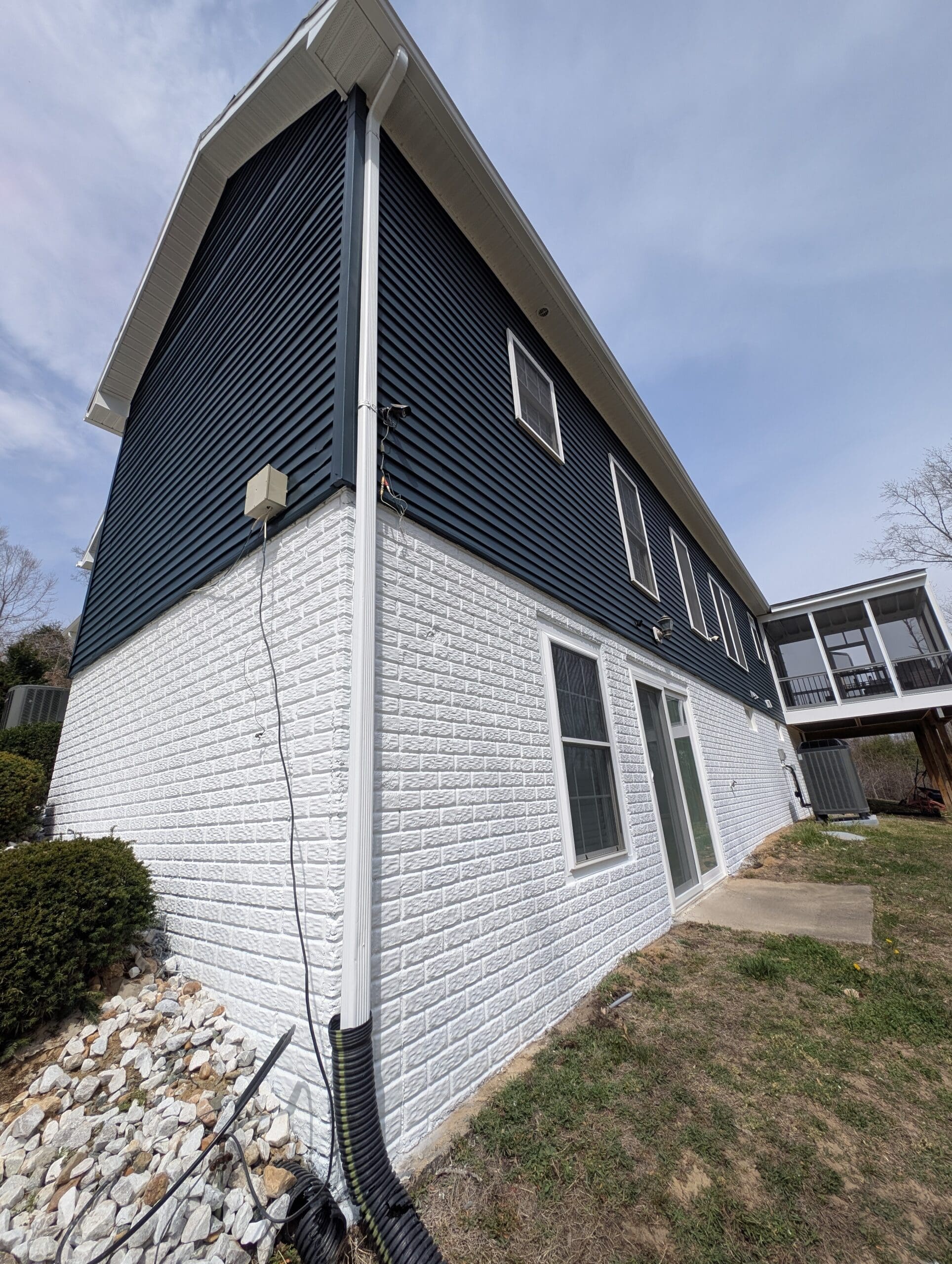
Brick and masonry surfaces can push paint longevity to 10 years or more, assuming moisture movement through the wall is controlled. Paint failure on masonry usually stems from trapped moisture rather than paint quality alone.
Trim, fascia, and doors experience faster wear than siding regardless of material. Horizontal surfaces, decorative details, and areas exposed to runoff often show breakdown first.
Climate and Environmental Exposure
Geography influences exterior paint more than brand selection ever will. Sun intensity, humidity, rainfall, and temperature swings work together to determine how fast paint ages.
Direct sun exposure accelerates fading and binder breakdown. South- and west-facing walls tend to show chalking and color loss years before shaded elevations. UV-resistant pigments slow that process but cannot stop it completely.
High humidity and frequent rain introduce moisture stress. Coastal regions and areas with dense tree cover see earlier peeling if surfaces stay damp for long periods. Mold and mildew growth also shorten repaint cycles when maintenance is ignored.
Cold climates introduce freeze-thaw cycles that expand tiny cracks in paint films. Water enters those openings, freezes, and pushes paint away from the substrate. Flexible coatings help, though preparation still remains the deciding factor.
Airborne pollutants and salt exposure create chemical stress on exterior coatings. Homes near roadways, industrial areas, or coastal zones often require more frequent repainting regardless of coating grade.
The Role of Surface Preparation
Preparation quality outweighs paint quality every time. Paint adheres mechanically and chemically to the surface beneath it, so any weakness below will telegraph through the finished job.
Thorough washing removes dirt, chalk, mildew, and airborne contaminants that interfere with adhesion. Skipping this step traps debris beneath the paint film, leading to early failure.
Scraping and sanding eliminate loose paint edges that create lift points. Feathered transitions allow new paint to bond evenly without ridges that catch moisture.
Priming serves multiple functions beyond color coverage. Primers seal porous surfaces, block stains, promote adhesion, and regulate absorption. Using the wrong primer or skipping primer altogether shortens paint life significantly.
Caulking gaps prevents water infiltration behind siding and trim. High-quality exterior sealants remain flexible for years, protecting vulnerable joints that often fail before painted surfaces themselves.
Paint Quality and Product Selection
Paint technology has advanced considerably, though performance still depends on matching the product to the application.
Higher-quality exterior paints contain more durable resins and UV-stable pigments. These components resist fading, cracking, and chalking longer than economy coatings.
Sheen level also influences longevity. Satin and semi-gloss finishes shed water better than flat paints, reducing moisture retention. Flat finishes still serve specific purposes, though they typically show wear sooner.
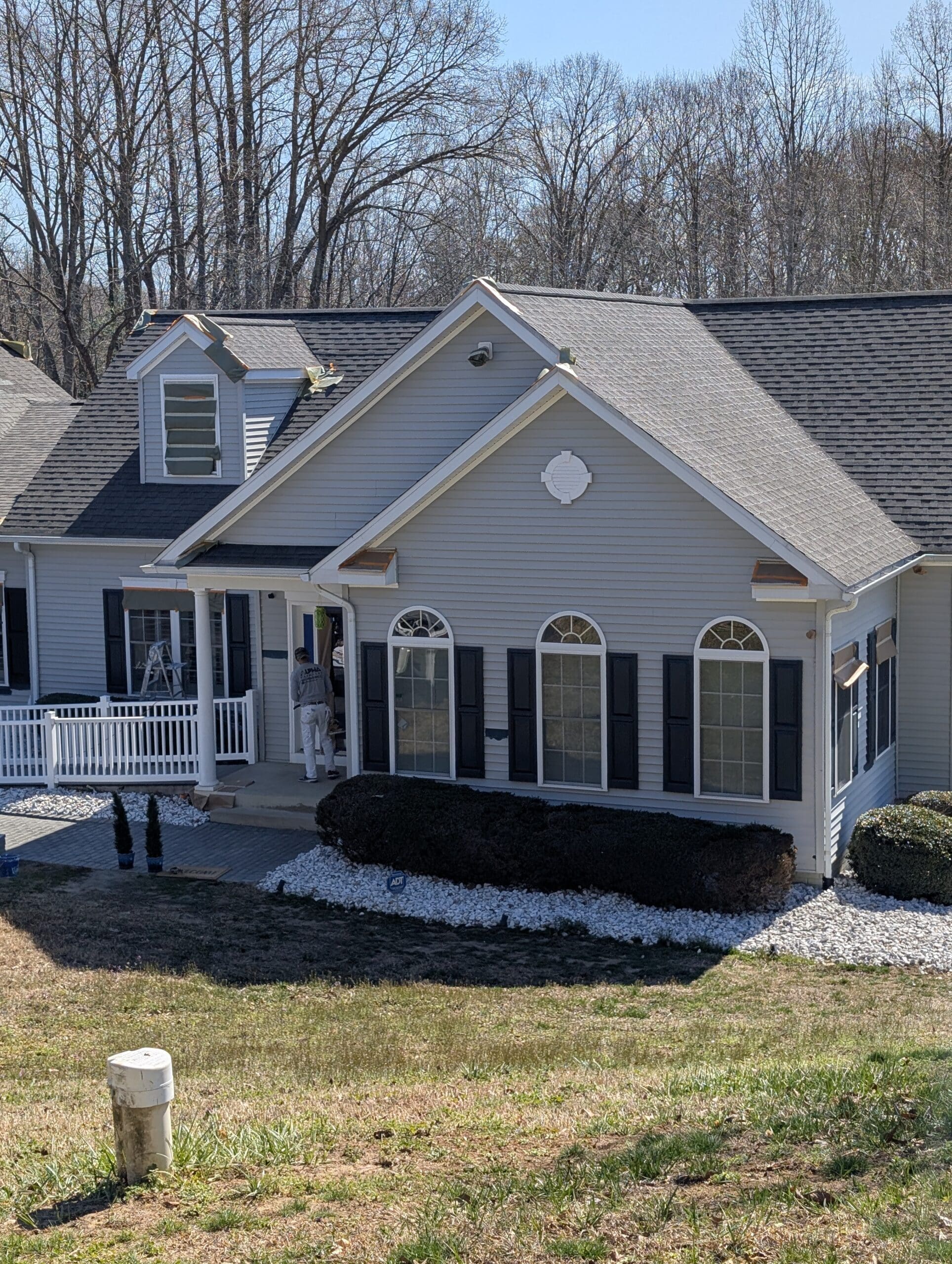
Color choice affects thermal movement. Dark colors absorb more heat, increasing expansion stress on siding and trim. Modern formulations handle heat better than older products, though lighter colors still deliver longer service life overall.
Compatibility between old and new coatings matters. Applying latex over failing oil-based paint without proper preparation creates adhesion issues that appear months later rather than immediately.
Application Conditions and Technique
Application timing plays a surprisingly large role in how long paint lasts. Temperature, humidity, and curing time affect how coatings bond and harden.
Paint applied outside manufacturer temperature ranges often cures improperly. Cold conditions slow curing, while extreme heat causes rapid drying that weakens adhesion.
Humidity influences moisture entrapment. Painting damp surfaces or coating late in the day when dew forms can introduce hidden moisture that later causes blistering.
Film thickness must stay within manufacturer specifications. Paint applied too thin wears quickly, while overly thick layers skin over and trap solvents beneath the surface.
Professional application methods maintain even coverage and proper overlap, reducing weak points where failure typically begins.
Signs Exterior Paint Is Reaching the End of Its Life
Paint rarely fails overnight. Early warning signs give homeowners time to plan repainting before structural damage occurs.
Fading and chalking signal UV breakdown of the binder. Color loss alone does not always require immediate repainting, though it indicates aging.
Peeling and cracking point to adhesion failure. Once paint begins lifting, moisture intrusion accelerates underlying damage.
Blistering suggests trapped moisture or solvent release. This condition often worsens quickly once it appears.
Exposed wood or bare substrate requires prompt attention. Unprotected surfaces deteriorate far faster than painted ones.
Caulk failure around joints often precedes paint breakdown. Replacing failed caulk early can extend paint life when caught in time.
Maintenance and Its Impact on Longevity
Regular maintenance extends exterior paint life more effectively than most homeowners expect.
Annual inspections catch minor failures before they spread. Touch-ups around high-risk areas reduce the need for full repaints.
Gentle washing removes mildew, dirt, and pollutants that degrade paint over time. Pressure washing should stay controlled to avoid damaging the paint film.
Tree trimming improves airflow and sun exposure, reducing prolonged dampness on siding and trim.
Gutter maintenance prevents water overflow that accelerates paint failure on fascia and siding edges.
Realistic Repainting Expectations
Exterior paint longevity rarely follows a fixed schedule. Homes exposed to harsh sun, wind, or moisture often repaint sooner, while sheltered properties can stretch beyond average timelines.
A proactive repaint strategy focuses on protection rather than appearance alone. Waiting until widespread peeling appears often leads to higher repair costs and more extensive surface restoration.
Understanding how materials, climate, preparation, and maintenance interact helps homeowners plan repainting cycles with confidence rather than guesswork.
Exterior paint functions as a system rather than a single product. When every part of that system works together, paint lasts closer to its upper potential rather than its minimum.