
Can You Use a Home Improvement Loan for Painting?
Painting a home does more than refresh its appearance. It can boost property value, protect surfaces, and create a more comfortable living environment. Homeowners often plan painting projects during larger renovations, but many wonder if a home improvement loan can help cover the cost. The short answer is yes—it can. The long answer involves understanding how these loans work, the benefits of financing, and how to make smart decisions about your painting investment.
Professional painters like Alpha Painting LLC, serving Fredericksburg, VA, often help clients who choose to finance their projects through home improvement loans. Whether updating interiors, transforming an exterior, or restoring a commercial space, using financing strategically can make a high-quality paint job more accessible.
Table of Contents
Understanding Home Improvement Loans
A home improvement loan is a type of financing designed to fund repairs, upgrades, or renovations to a residential property. These loans come in several forms, each with unique requirements, benefits, and repayment terms.
The most common options include personal home improvement loans, home equity loans, and home equity lines of credit (HELOCs). A personal loan doesn’t require using your home as collateral and typically offers a fixed interest rate. Home equity loans and HELOCs, on the other hand, allow homeowners to borrow against the equity they’ve built in their property.
The type of loan that fits best depends on the scope of your project, your financial situation, and how much flexibility you want. A small interior repaint may only need a modest personal loan, while a complete exterior restoration involving siding repair and painting might align better with a home equity product.
Why Painting Qualifies for a Home Improvement Loan
Painting qualifies as a legitimate home improvement expense under nearly all loan programs. Lenders typically define home improvements as any upgrades that maintain or enhance a property’s value or livability. A professional paint job checks both boxes.
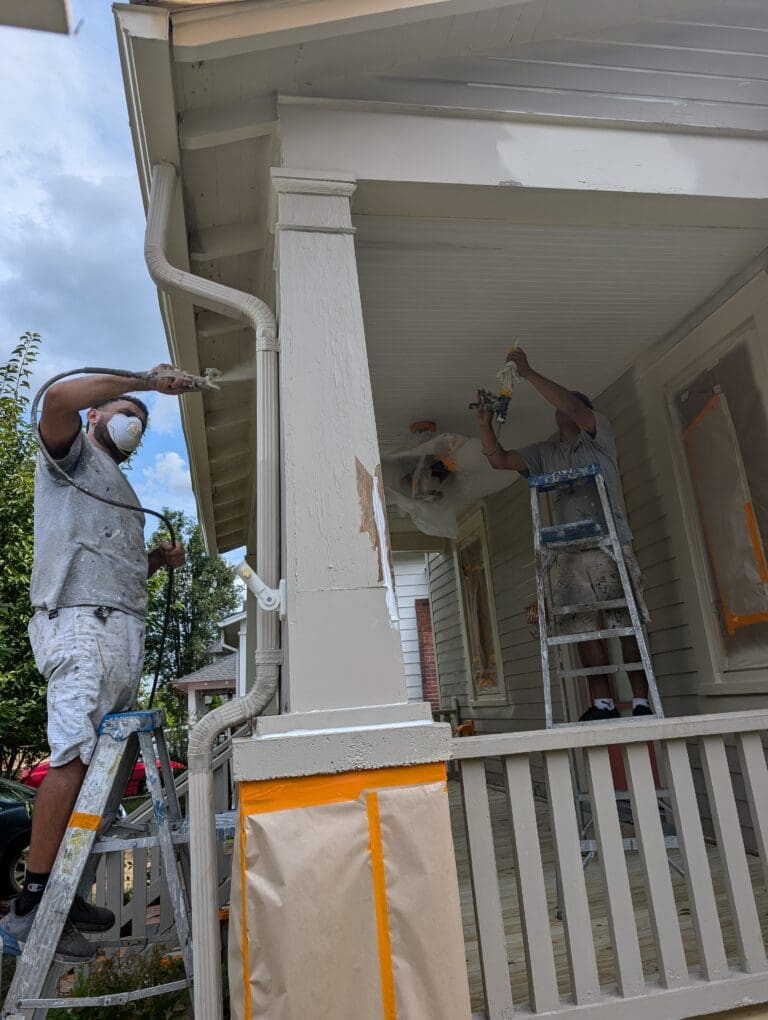
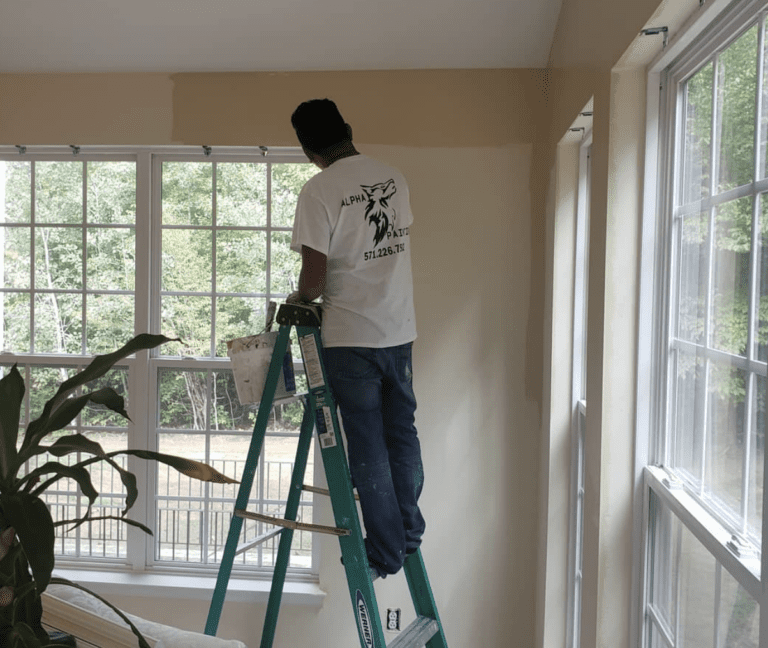
Exterior painting helps protect wood, brick, or siding from moisture damage and UV wear. It can extend the life of a home’s exterior materials by years. Inside, painting transforms the atmosphere, covers wear and tear, and contributes to cleaner, healthier living conditions. Lenders recognize these benefits, which is why painting costs are commonly accepted within home improvement loan applications.
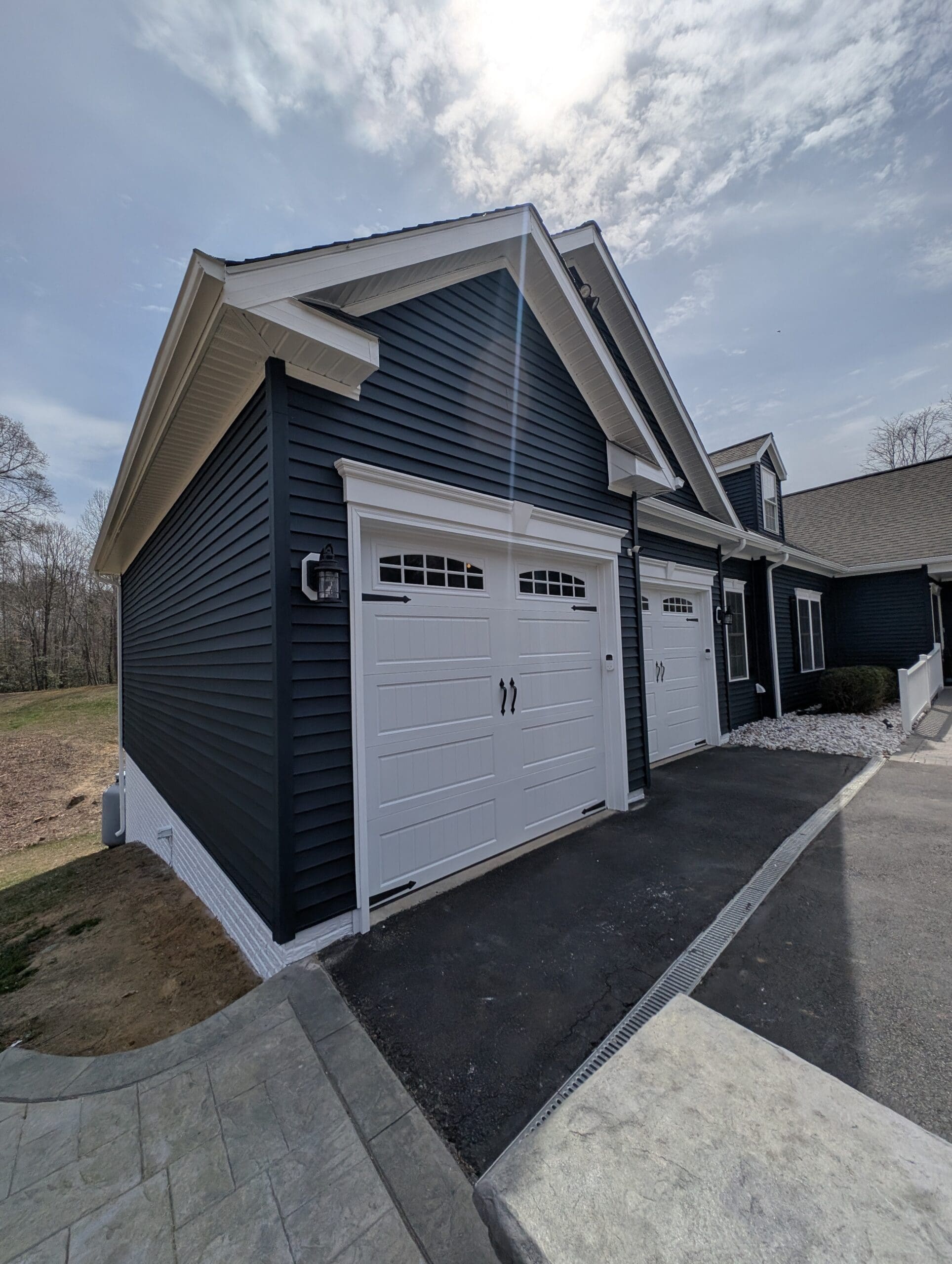
Even when painting is purely cosmetic, it can still increase resale appeal. A fresh, neutral color palette often makes a home more attractive to buyers and can lead to faster sales or higher offers. From the lender’s perspective, that’s an investment that safeguards property value.
Determining How Much to Borrow
Before applying for a loan, estimate how much your painting project will cost. Professional painters provide detailed quotes that outline preparation work, materials, number of coats, and labor. These factors can vary significantly depending on surface conditions and the size of the home.
Interior painting tends to cost less per square foot, though multiple colors, accent walls, or high ceilings can add to the total. Exterior work requires more preparation—pressure washing, scraping, sanding, priming, and sometimes minor repairs. Weather-resistant paint also comes at a premium.
Having a clear, itemized proposal from a reputable company like Alpha Painting helps you set an accurate borrowing target. Overborrowing increases debt unnecessarily, while underestimating costs may leave parts of your project incomplete. A balanced approach ensures your loan amount comfortably covers labor, materials, and a small cushion for unexpected needs.
Personal Loans vs. Home Equity Loans for Painting Projects
Personal loans and home equity loans both serve homeowners well, but each has advantages depending on the project scale.
A personal loan offers simplicity. There’s no need for an appraisal, and the funds usually arrive within days. These loans work well for small to medium painting jobs, like refreshing a few rooms or repainting kitchen cabinets. Interest rates are generally higher than secured loans, but repayment terms are fixed, making budgeting easier.
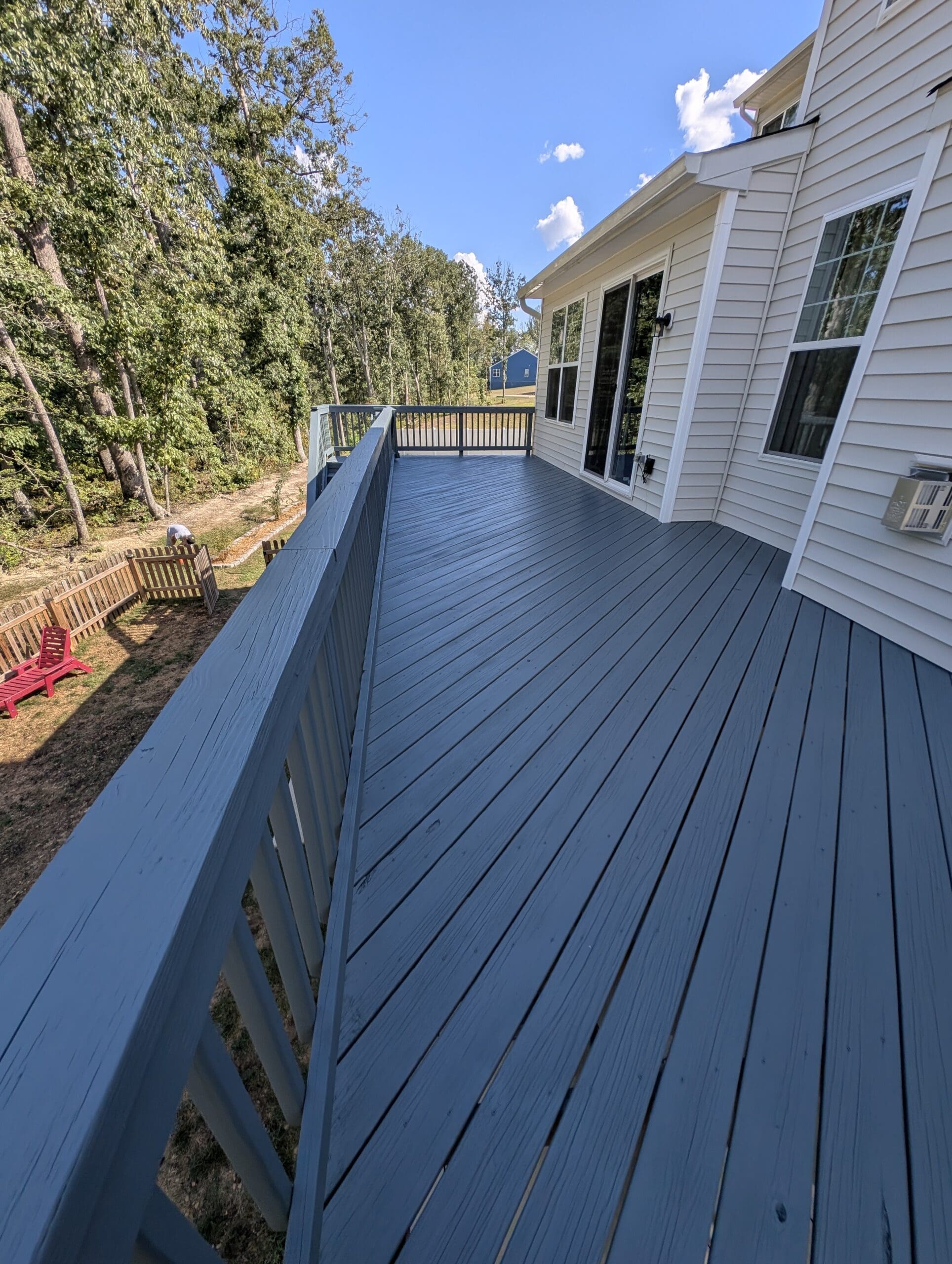
A home equity loan or HELOC can be ideal for large-scale or recurring improvement projects. Because they’re secured by your home, these loans typically carry lower interest rates. Borrowers can access more substantial sums, making them suitable for whole-home interior and exterior painting combined with other updates like deck staining or trim replacement.
The main difference lies in flexibility. Home equity loans provide a lump sum, while HELOCs function like a credit line, allowing you to draw funds as needed. If your project might evolve—say you decide to include the garage or basement later—a HELOC could make sense.
How to Use Loan Funds Effectively
Using a home improvement loan wisely requires planning and discipline. Once approved, prioritize spending on elements that deliver the greatest return. Surface preparation, quality paint, and skilled application should take precedence over quick cosmetic upgrades.
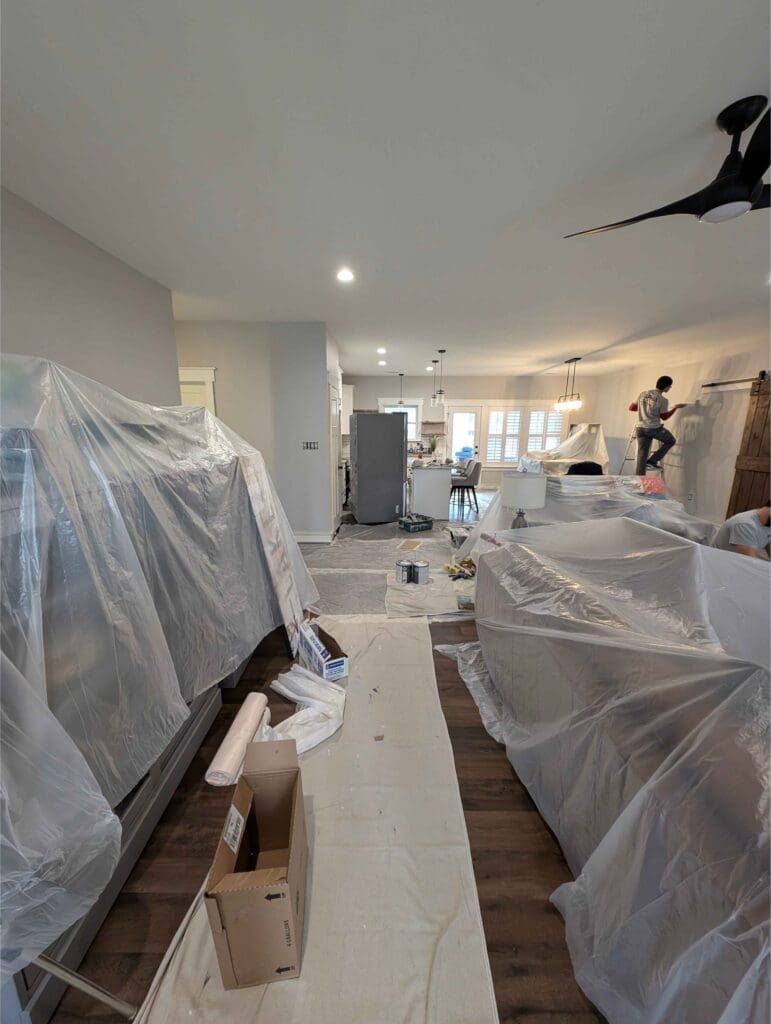
Professional painters allocate much of their time to preparation—cleaning, patching, sanding, and priming surfaces—to ensure a durable finish. This stage often determines how long the paint job will last. Using your loan funds to pay for proper prep and high-quality coatings yields far greater value than cutting corners for short-term savings.
Allocate part of your budget for durable, fade-resistant paints, especially for exteriors. Premium coatings protect against weather and maintain their color for years, which reduces maintenance costs and future repainting expenses.
Benefits of Financing Your Painting Project
Financing a painting project through a home improvement loan offers several advantages. The most immediate is the ability to move forward without waiting to save the entire amount. Homes that need protection before winter or repainting before listing on the market can’t always wait for cash flow to catch up.
A professional paint job financed through a manageable monthly payment lets homeowners enhance property value right away. It also spreads costs over time, preserving savings for other needs.
There are also potential tax advantages. Interest paid on home equity loans or HELOCs may be deductible if the funds directly improve the property’s value. While this depends on individual tax situations, it’s worth discussing with a financial advisor.
Lastly, painting financed through a loan often results in better long-term quality. Homeowners can afford premium paints, experienced crews, and thorough preparation—factors that extend paint life and reduce future costs.
Working with a Professional Painting Contractor
When using a loan, lenders sometimes request project documentation such as detailed estimates, proof of contractor licensing, or photos of completed work. Partnering with a reputable painter simplifies this process.
A licensed and insured company provides written proposals, timelines, and warranties that align with lender requirements. It also ensures the funds are used exactly as intended—for professional-grade improvement work.
Hiring skilled painters also guarantees better surface preparation, color consultation, and precision application. Homeowners who try to cut costs with DIY painting often end up with uneven finishes, drips, or premature peeling. Professional painting protects your investment, ensuring your loan dollars produce lasting results.
The Long-Term Value of a Financed Paint Job
Using a home improvement loan for painting isn’t just about spreading out payments. It’s about securing the longevity and beauty of your property. A properly executed paint job safeguards siding, trim, and walls from wear, moisture, and sun damage. It also enhances curb appeal—an asset that can significantly affect resale outcomes.
Over time, the cost of professional painting, especially when financed smartly, often pays for itself. Improved protection means fewer repairs, reduced maintenance, and stronger market value. Homes that look well cared for also make a better impression on appraisers and buyers.
Regular repainting every five to ten years, depending on material and exposure, helps maintain these benefits. Using financing options allows homeowners to stay on schedule instead of delaying necessary upkeep.
Making the Right Decision
Deciding whether to use a home improvement loan for painting depends on your budget, equity, and goals. If your home needs an exterior refresh or a complete interior transformation but paying upfront feels overwhelming, a loan can make professional results achievable now rather than later.
Before applying, gather detailed project quotes and evaluate loan options carefully. Compare interest rates, repayment terms, and fees. Consider your home’s current condition and how much value a professional paint job could add.
Once you have the financial side aligned, the rest comes down to choosing a skilled painting company that prioritizes craftsmanship and reliability. When done properly, painting financed through a home improvement loan becomes an investment that enhances both beauty and durability for years to come.