
Different Types of Wall Textures
Wall texture plays a quiet yet powerful role in how a space feels the moment someone walks into it. Light moves differently across textured surfaces, shadows become part of the design, and even color takes on more depth. Texture also serves practical purposes. Minor drywall flaws disappear, repairs blend more easily, and walls gain character that flat paint alone cannot provide.
Early planning makes a noticeable difference when texture is involved. Once texture goes on the wall, changing it requires sanding, skimming, or full removal. That reality makes texture selection as important as choosing flooring or cabinetry. Professional crews handle this step carefully, since application technique matters just as much as the texture style itself. Homeowners working with Alpha Painting LLC often ask about texture options early, which helps align the final look with lighting, layout, and long-term maintenance expectations.
Table of Contents
Smooth Walls: The Modern Baseline
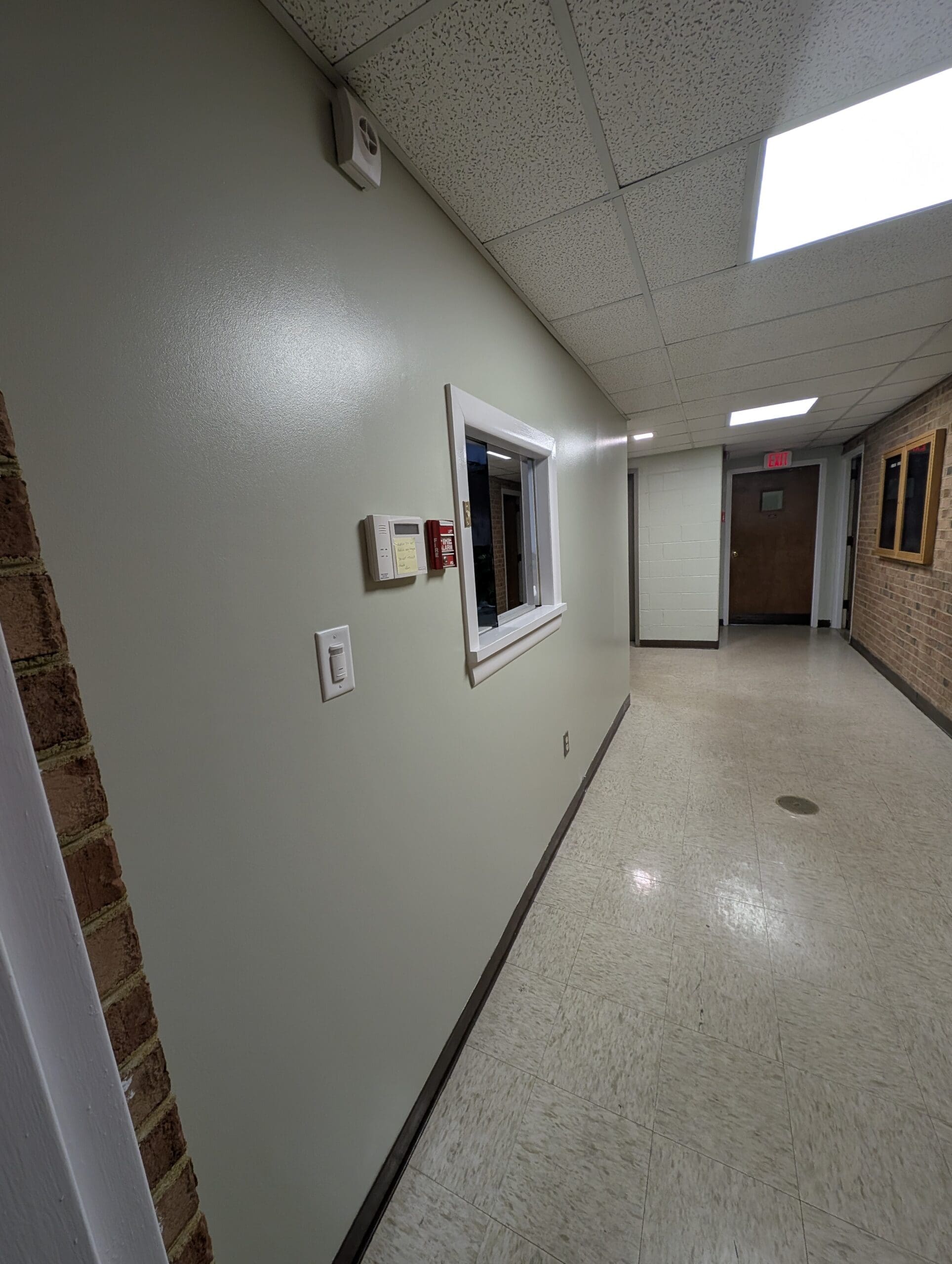
Smooth walls often get overlooked because they feel familiar, yet achieving a truly smooth finish demands more skill than many textured alternatives. Every seam, fastener, and patch must be perfectly blended. Any inconsistency shows once paint goes on, especially with satin or semi-gloss finishes.
This texture works well in modern homes, contemporary remodels, and spaces with strong architectural lines. Large windows and directional lighting complement smooth walls nicely, allowing color and furnishings to stand out without visual interference. Smooth walls also suit artwork-heavy interiors since nothing competes with framed pieces or accent lighting.
Maintenance becomes straightforward with this option. Touch-ups blend cleanly when done correctly, and repainting stays simple over time. Homes with smooth walls usually reflect a more polished, high-end look when preparation is handled properly.
Orange Peel Texture: Subtle and Practical
Orange peel texture remains one of the most popular choices for residential interiors. The surface resembles the skin of an orange, offering light texture without overwhelming the room. Application involves spraying joint compound and letting it set without flattening the peaks.
Builders favor this texture because it hides minor drywall flaws while still appearing clean and neutral. Homeowners appreciate the balance it strikes between character and simplicity. Living rooms, hallways, and bedrooms all benefit from this style without feeling dated.
Repair work blends more easily compared to heavier textures. Color changes remain flexible, and lighting rarely exaggerates imperfections. Homes that see regular wear often benefit from orange peel due to its forgiving nature.
Knockdown Texture: Depth with Control
Knockdown texture adds more dimension while keeping a controlled, intentional appearance. After spraying compound onto the wall, a knockdown knife flattens the peaks, creating irregular, soft-edged patterns. The result feels organic without becoming busy.
Ceilings and open-concept living areas benefit greatly from knockdown texture. Shadows form gently across the surface, adding depth that works well with neutral paint colors. Homes aiming for a slightly upscale feel often choose knockdown because it pairs well with modern fixtures and natural materials.
Consistency matters with this texture. Uneven pressure or timing leads to noticeable pattern differences. Skilled application keeps the surface balanced from wall to wall, especially across large areas.
Skip Trowel Texture: Old-World Character
Skip trowel texture brings warmth and handcrafted appeal to a space. Application involves a curved trowel sweeping joint compound across the wall, leaving thin, irregular patches that partially skip the surface beneath.
Mediterranean, Spanish, and rustic-style homes frequently use skip trowel finishes. The texture adds movement and works beautifully with warm color palettes, earth tones, and natural stone elements. Light plays across the wall in a softer, more atmospheric way compared to spray textures.
Repairs require a practiced hand. Matching the original trowel pattern takes experience, which makes professional application especially valuable with this style. Once complete, skip trowel walls often become a defining design feature rather than a background element.
Slap Brush Texture: Bold and Expressive
Slap brush texture delivers noticeable personality. A brush loaded with joint compound gets slapped against the wall, forming starburst-like patterns. This approach creates movement and texture depth that immediately draws attention.
Accent walls, ceilings, and bonus rooms often suit slap brush finishes. The texture adds visual interest without requiring bold paint colors. When paired with neutral tones, the surface itself becomes the focal point.
Application technique determines success. Overworking the surface leads to cluttered patterns, while inconsistent spacing disrupts flow. Proper spacing and rhythm allow the texture to feel intentional rather than chaotic.
Sand Swirl Texture: Soft Movement
Sand swirl texture combines joint compound and sand, applied in overlapping circular motions using a brush or sponge. The result looks fluid and continuous, offering texture without harsh edges.
Ceilings commonly feature sand swirl finishes, though feature walls benefit from this style as well. The gentle pattern helps disguise imperfections and softens acoustics slightly in large rooms.
Lighting interacts well with sand swirl texture, creating subtle highlights rather than sharp shadows. Color selection matters here, as lighter shades tend to enhance the texture’s movement more effectively.
Comb Texture: Linear and Decorative
Comb texture introduces repeating patterns created by dragging a notched trowel through wet compound. Designs vary from straight lines to arcs and waves, depending on the tool and motion used.
This texture suits statement areas rather than entire homes. Dining rooms, entryways, or accent walls benefit from its decorative nature. The structured pattern pairs nicely with minimalist furniture, allowing the wall to act as visual art.
Precision becomes essential with comb textures. Small misalignments stand out once the pattern repeats across a surface. Planning the layout before application prevents awkward transitions at corners and ceilings.
Popcorn Texture: A Dated but Functional Option
Popcorn texture gained popularity for ceilings decades ago due to its sound-dampening qualities and ease of installation. The thick, bumpy surface effectively hides flaws and reduces echo in large rooms.
Modern design trends lean away from popcorn finishes, yet many homes still have them. Removal often becomes part of renovation projects, especially when updating lighting or ceiling fixtures.
Safety matters during removal since older popcorn textures may contain asbestos. Testing before disturbance protects occupants and ensures proper handling.
Choosing the Right Texture for Each Space
Room function, lighting direction, and long-term maintenance all influence texture selection. High-traffic areas benefit from forgiving finishes that hide wear. Formal spaces often lean toward smoother or more refined textures. Ceiling height also plays a role, as heavier textures can visually lower a room.
Paint sheen interacts closely with texture. Flat finishes soften heavy textures, while glossier paints exaggerate surface details. Coordinating texture with paint choice creates a cohesive final result rather than an accidental mismatch.
Personal preference carries weight, though resale considerations matter as well. Neutral textures appeal to broader audiences, while bold designs reflect strong personal style.
Application Quality Makes the Difference
Texture style alone does not guarantee a good outcome. Surface preparation, compound consistency, timing, and application pressure all affect the final look. Small mistakes become permanent once the texture dries.
Experienced painters approach texture work methodically. Each wall receives consistent treatment, corners align cleanly, and transitions feel natural. Professional results show uniformity without looking mechanical, striking the balance between craftsmanship and artistry.
Wall texture adds depth, character, and practicality to interior spaces when chosen thoughtfully and applied correctly. Understanding the differences between styles helps homeowners create rooms that feel intentional, durable, and visually balanced for years to come.