
Ceiling Paint vs Wall Paint: What’s the Difference?
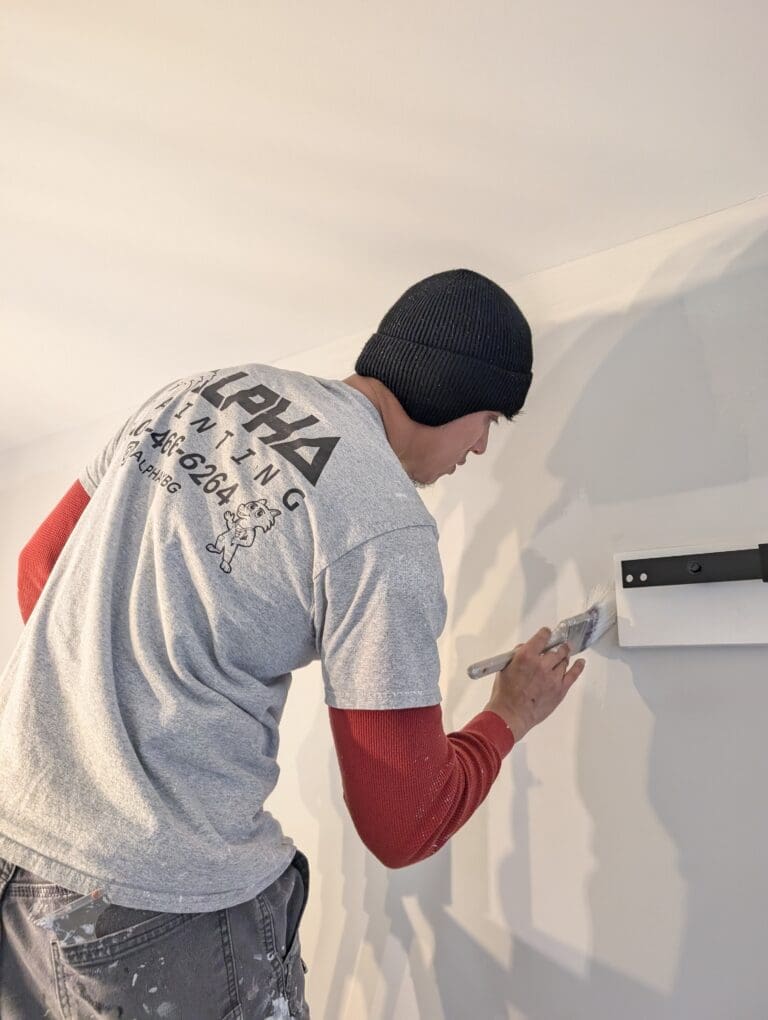
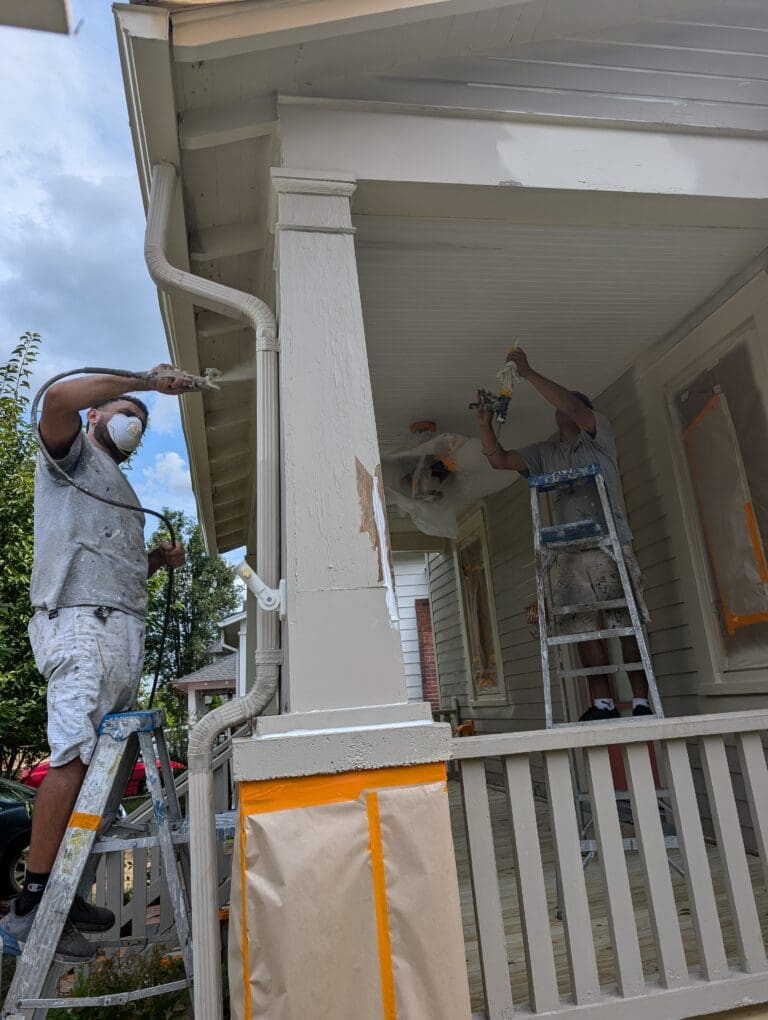
Every homeowner knows that paint can transform a space, but few realize how much the type of paint matters depending on where it’s used. Ceiling paint and wall paint might appear similar in the can, but they serve very different purposes and are engineered with specific formulations to perform best in their respective areas. Understanding those differences is key to achieving a flawless, long-lasting finish. As a professional painting company serving Fredericksburg and surrounding areas, Alpha Painting LLC often helps clients choose the right products to ensure each project delivers lasting beauty and performance.
Table of Contents
The Purpose Behind Ceiling Paint
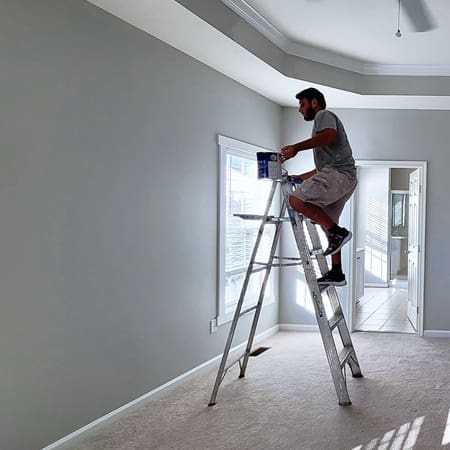
Ceilings face different environmental and lighting conditions compared to walls. They are rarely touched, exposed to less wear, but often affected by light glare, humidity, and smoke or cooking residue in certain rooms. Because of this, ceiling paint is designed with a flat or ultra-flat finish to reduce light reflection and hide imperfections. Even the smallest crack or uneven texture on a ceiling can become noticeable if a shiny or semi-gloss paint is used. The matte formulation diffuses light, allowing the surface to appear uniform and smooth.
Ceiling paint also tends to have a thicker consistency. This helps prevent drips and splatters during application since painting overhead can be challenging. The viscosity ensures better coverage with fewer coats and reduces streaking that might occur if the paint were too thin. Additionally, it dries slower than wall paint, allowing the painter to maintain a wet edge longer and avoid lap marks that would otherwise stand out under overhead lighting.
Most ceiling paints come in bright white tones to enhance room lighting by reflecting ambient light downward. However, certain spaces benefit from tinted or colored ceiling paints—for instance, light blues or soft grays can add depth and character to a bedroom or living area. Even so, the primary goal of ceiling paint remains the same: to create a seamless, non-distracting backdrop that complements the rest of the room.
How Wall Paint Differs in Formula and Function
Wall paint is developed with durability, washability, and appearance in mind. Unlike ceilings, walls endure frequent contact, from furniture rubbing against them to fingerprints and scuffs near doorways or hallways. This requires paint that can withstand cleaning and scrubbing without losing color or sheen. As a result, wall paints contain more resins and binders, giving them a harder, more resilient finish once cured.
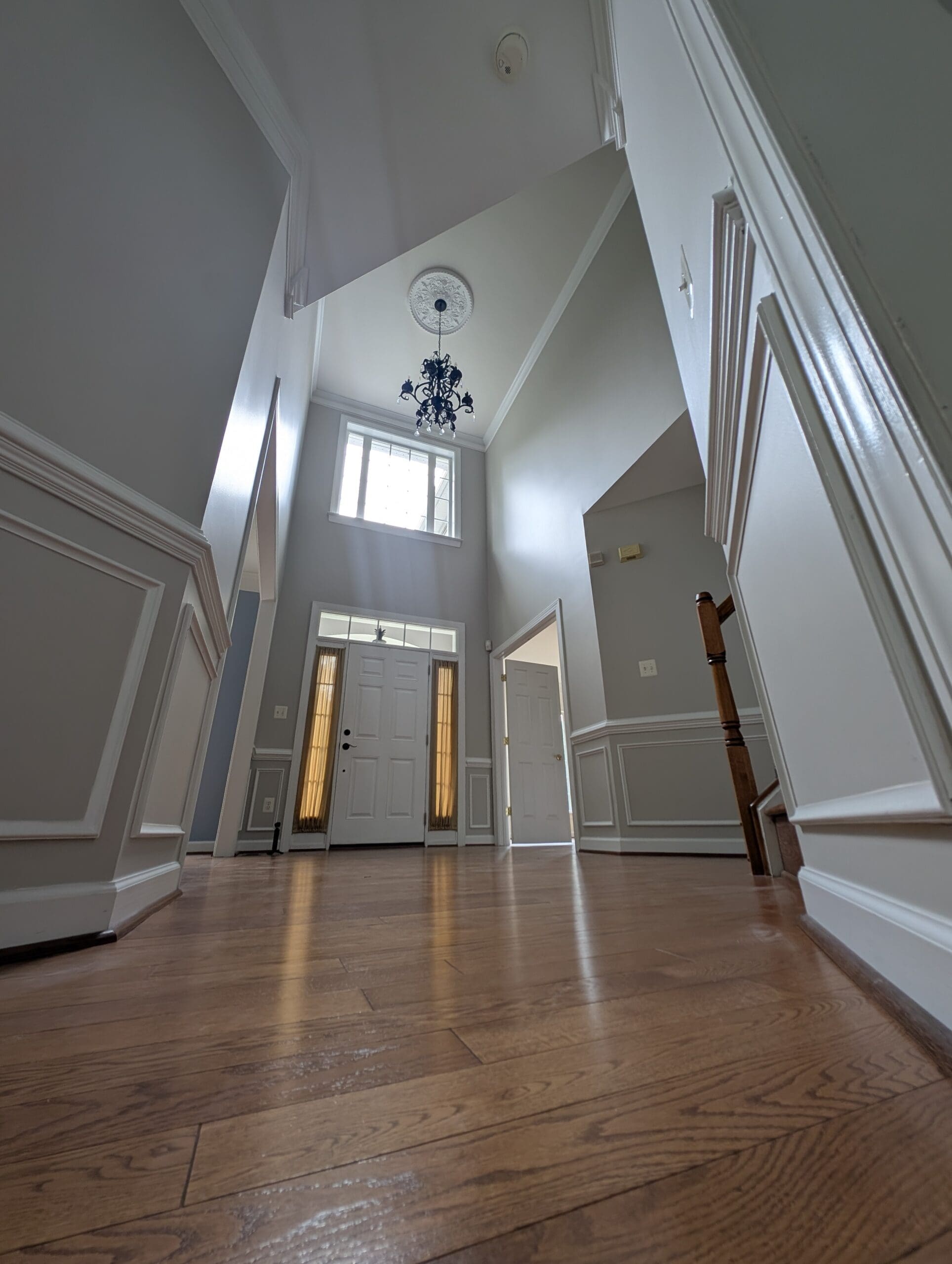
They also come in a variety of sheens—from flat and eggshell to satin, semi-gloss, and gloss—each suited for specific areas of a home. Flat finishes help conceal surface flaws in low-traffic areas, while satin or semi-gloss finishes are ideal for kitchens, bathrooms, and high-traffic zones where easy maintenance is essential. The wide range of options gives homeowners the flexibility to balance aesthetics and practicality.
Wall paint also incorporates more pigment and color options than ceiling paint. Since walls act as the main canvas of a room, color richness and consistency are vital. Paint manufacturers design wall paint to provide even coverage and smooth texture, allowing it to respond predictably to light and create the desired mood in a space.
Differences in Application and Coverage
Painting walls and ceilings requires different approaches, not only in technique but also in how the paint behaves. Ceiling paint is thicker, making it less prone to dripping, but that also means it can be harder to spread evenly if not applied correctly. Using a roller with a thicker nap helps achieve smooth coverage, especially on textured ceilings. Wall paint, being thinner, spreads easily with standard rollers or brushes and levels itself more naturally on vertical surfaces.
Coverage is another key difference. Ceiling paint usually has higher opacity because ceilings are often painted white over existing colors or imperfections. That means it can hide blemishes in one or two coats. Wall paint, depending on the shade and finish, may require multiple coats to achieve full depth and even tone. Darker wall colors, in particular, often need a tinted primer or several layers for consistent results.
Drying time also varies. Ceiling paint dries slower to allow easier blending, which helps prevent streaks. Wall paint tends to dry faster, enabling quicker recoats and reducing downtime between finishing steps. Understanding these distinctions helps painters plan projects efficiently and ensures professional-quality outcomes.
Maintenance and Longevity
Because ceilings are less exposed to touch and friction, ceiling paint doesn’t need to be as durable as wall paint. It is more about coverage and finish than toughness. However, some ceiling paints include stain-blocking additives to resist watermarks or smoke discoloration—a useful feature for kitchens, bathrooms, or older homes where moisture or previous damage might be present.
Wall paint must be far more resilient. High-quality wall paints resist fading, peeling, and mildew growth, especially in humid environments. Washable finishes like satin and semi-gloss make maintenance straightforward; dirt and smudges can be cleaned without dulling the surface. Over time, premium wall paints maintain their sheen and color longer, reducing the need for frequent repainting.
Common Mistakes When Choosing Paint for Each Surface
Many homeowners assume paint is interchangeable and use wall paint on ceilings to save time or money. This often leads to frustration. Wall paint’s thinner consistency increases the risk of drips and uneven coverage when used overhead. Its higher sheen can also emphasize ceiling flaws that were meant to stay hidden. Conversely, using ceiling paint on walls results in a dull, chalky appearance that doesn’t withstand cleaning or daily wear.
Another mistake is selecting the wrong sheen for either surface. A glossy ceiling can make a room feel harsh and unbalanced, while overly flat wall paint can mark easily and be difficult to clean. Choosing the correct combination of products ensures both beauty and functionality throughout the space.
Professional Insight: Matching Paint Types for Cohesion
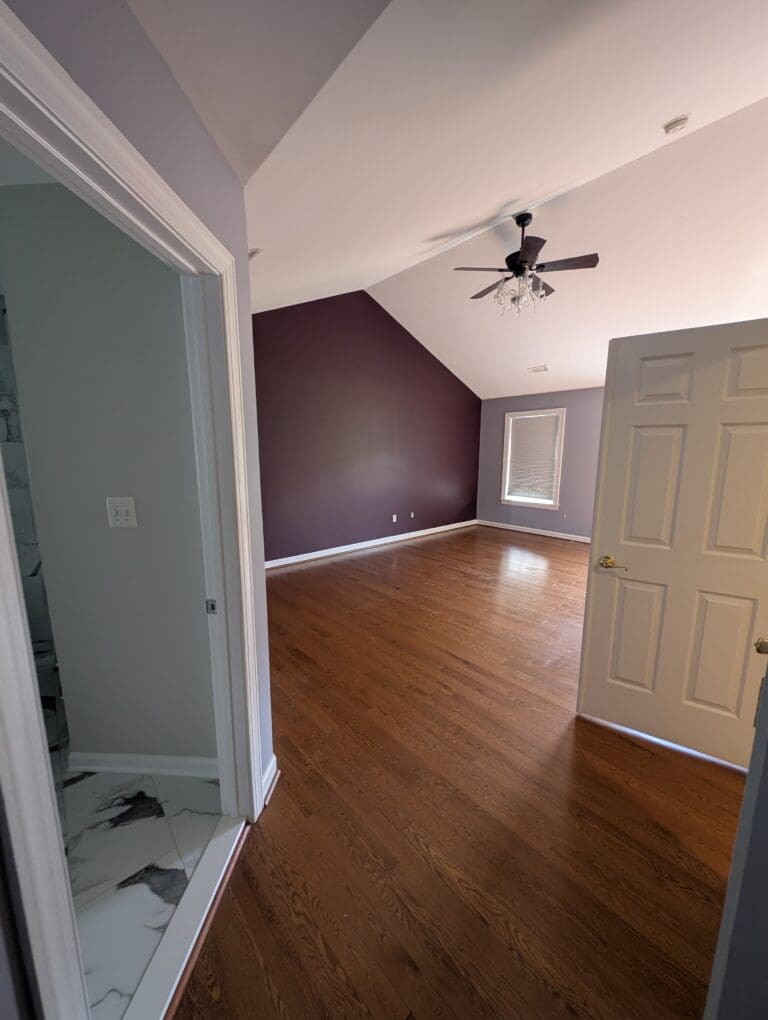
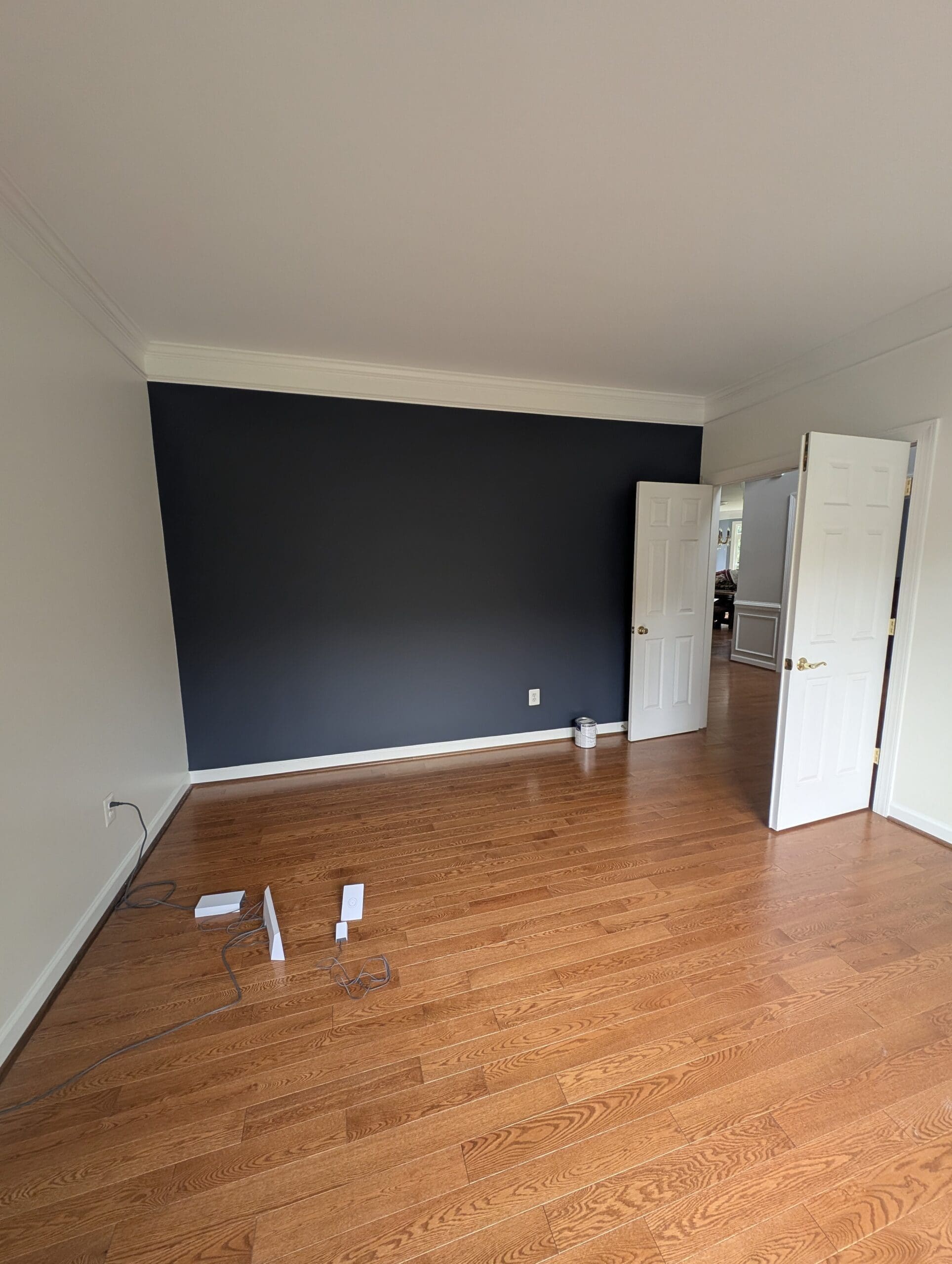
Experienced painters know that the right pairing of ceiling and wall paint enhances the entire room. A subtle difference in tone between ceiling white and wall color creates visual depth and makes a space feel finished. Some professionals slightly tint ceiling paint with a touch of the wall color to create a smooth transition that softens edges, especially in rooms with crown molding.
Lighting also affects perception. In rooms with strong natural light, ceiling paint with a slight tint may reduce glare and make the ceiling feel lower and cozier. In dimly lit spaces, bright white paint helps reflect available light, creating a sense of openness. Professional painters consider these subtleties to achieve balance and harmony across all surfaces.
Final Thoughts
Ceiling paint and wall paint may share the same purpose—to beautify a space—but their chemistry and behavior differ in meaningful ways. Ceiling paint focuses on concealment, light diffusion, and smoothness, while wall paint prioritizes color richness, durability, and easy maintenance. Each plays its role in creating a cohesive interior that not only looks good on day one but remains impressive for years to come.
For homeowners planning to refresh their spaces, choosing the right type of paint is as important as choosing the right color. The right product, properly applied, ensures long-lasting satisfaction and value. When done by experts who understand these differences, the result is a seamless, professional finish that elevates your entire home.