
Can You Paint Exterior Surfaces in Winter? A Practical Guide for Homeowners
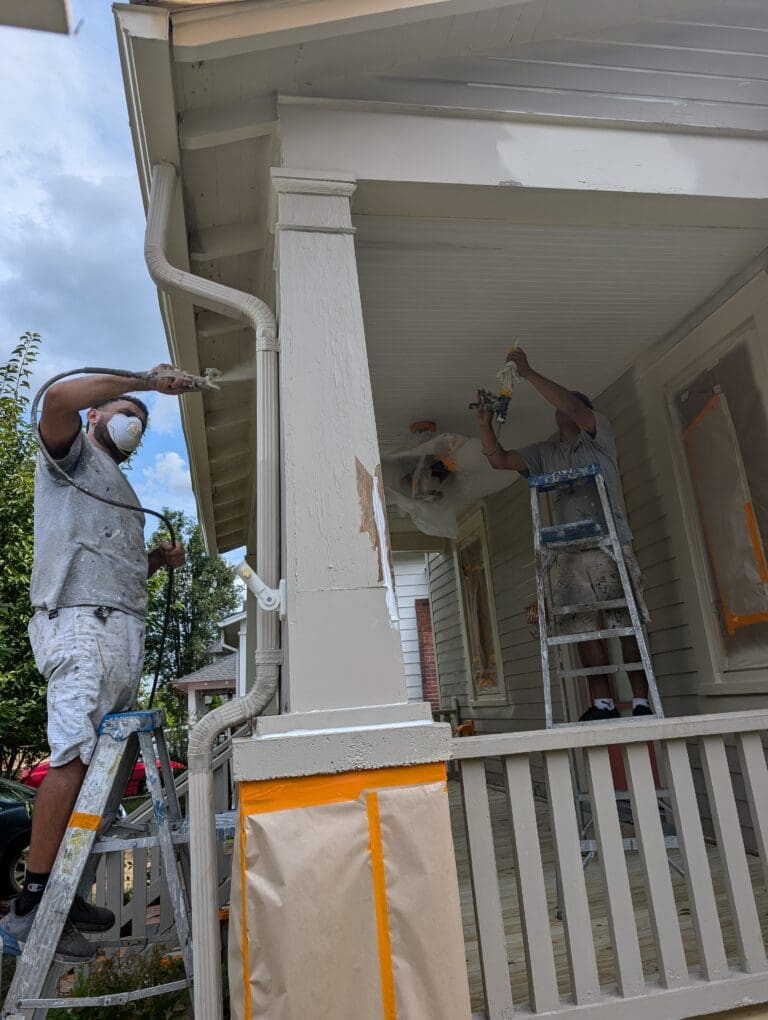
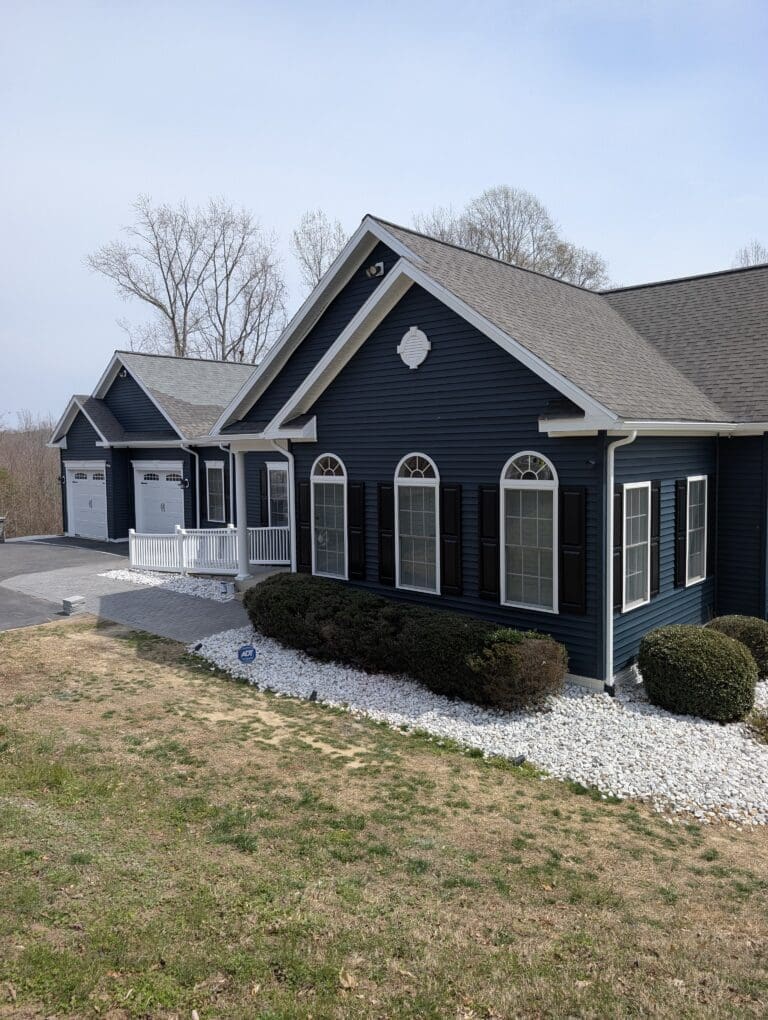
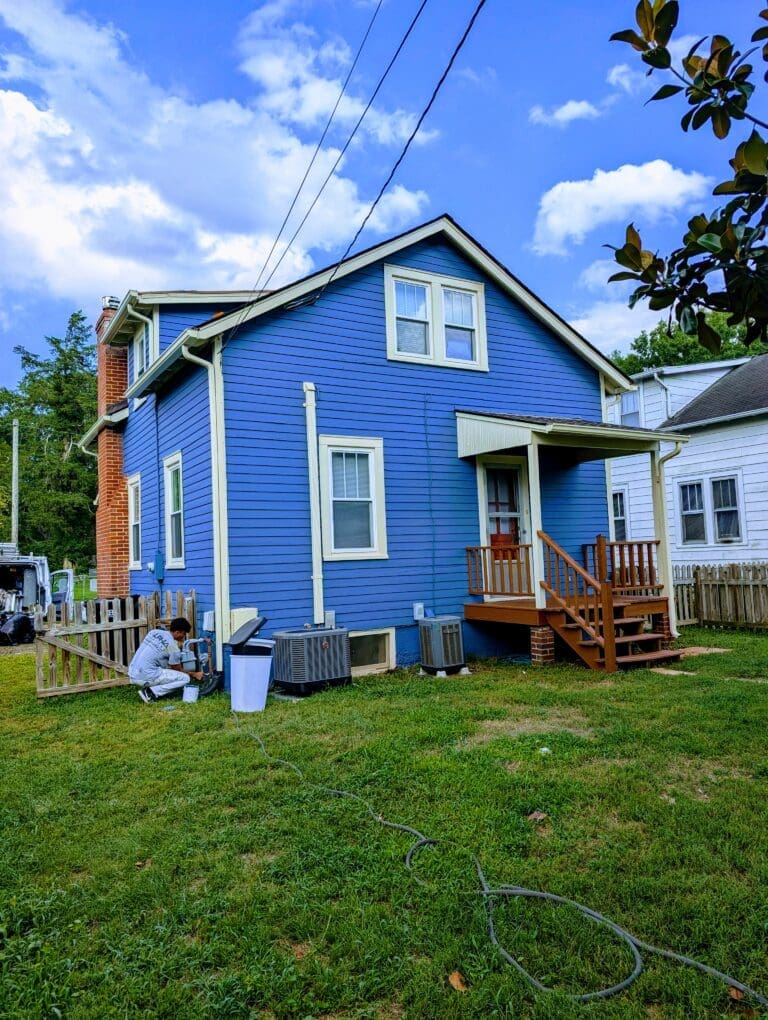
Painting the exterior of a home during the colder months raises plenty of questions, especially for homeowners who want to maintain curb appeal without waiting for warmer weather. Winter isn’t automatically a deal-breaker, but it requires careful planning, the right products, and proper technique. Alpha Painting LLC handles cold-weather projects when the conditions allow, and that experience helps clarify what’s genuinely possible once temperatures drop.
Table of Contents
Understanding How Cold Weather Affects Exterior Paint
Cold temperatures slow down the curing process, which is the stage where paint bonds, hardens, and becomes durable. When that curing window stretches too long, paint becomes vulnerable to dirt, moisture, cracking, and poor adhesion. Winter also brings lower humidity and shorter daylight hours, both of which influence how well exterior paint settles on a surface.
The biggest concern revolves around the minimum application temperature of the product. Traditional exterior paints struggle when temperatures fall below 50°F. Modern formulas, especially those labeled as “low-temp” or “cold-weather,” often perform reliably down to 35°F. Those numbers cover the air temperature, surface temperature, and the forecasted temperature for several hours after application. Paint isn’t just affected during the moment it’s brushed or rolled on. It needs time to stabilize.
Another winter challenge involves moisture. Surfaces can hold frost early in the morning, even when the weather seems dry. Hidden moisture inside wood or siding can interfere with adhesion. Steady attention to weather patterns becomes essential because even a short surprise drizzle or sudden temperature dip can compromise a fresh coat.
When Winter Painting Works
Certain winter days create good painting windows. Dry air, a slight breeze, and stable temperatures hovering near the product’s minimum rating can support an effective project. South-facing walls warm up during the day and often become the best place to start. Those warmed surfaces hold heat longer, giving the paint time to settle.
Quality low-temperature paints make a huge difference. These formulas contain additives that help them set faster, even when heat is limited. They’re not a magic solution, but they expand the safe range for cold-weather work. Many exterior painters rely on these winter-ready products to finish jobs that would otherwise sit on hold until spring.
Surface preparation plays the biggest role. Winter surfaces collect moisture overnight, so any painting window usually begins later in the day. Rushing the prep by painting over a cold or slightly damp wall creates long-term problems. Careful cleaning, scraping, and drying become more important during colder months because the paint has fewer environmental advantages working in its favor.
When Winter Painting Should Wait
Certain situations simply don’t suit winter painting. Severe cold, repeated temperature swings, or persistent moisture create conditions that even low-temp paints can’t overcome. Wood that remains saturated from frequent freeze-thaw cycles won’t accept paint reliably. Old paint that needs extensive removal also becomes more stubborn during cold months.
Large homes or heavily weathered exteriors usually need long, stable days to allow each section enough time to cure. Winter rarely offers that predictability. When a project demands consistent progress or involves extensive repairs, warm-weather scheduling usually leads to better results.
Homes near bodies of water often deal with heavier morning frost and more humidity, which makes winter painting tougher. Shaded properties are also a challenge because those surfaces stay cold longer.
The Role of Product Selection
Cold-weather exterior paints use special resins that help them set at lower temperatures, but homeowners should choose carefully. Not every “low-temp” label works the same. Some products tolerate temperatures down to 35°F, while newer formulas push that threshold slightly lower. The label’s cure-time expectations matter as much as the minimum temperature. Products that remain tacky for too long become dust magnets, and winter winds can embed debris into fresh paint.
Oil-based paints behave differently in the cold because thickening becomes a major issue. Latex paints tend to perform better during winter months, but only when the formula is designed for colder weather. Every can should clearly state the application temperature range; guessing leads to failure.
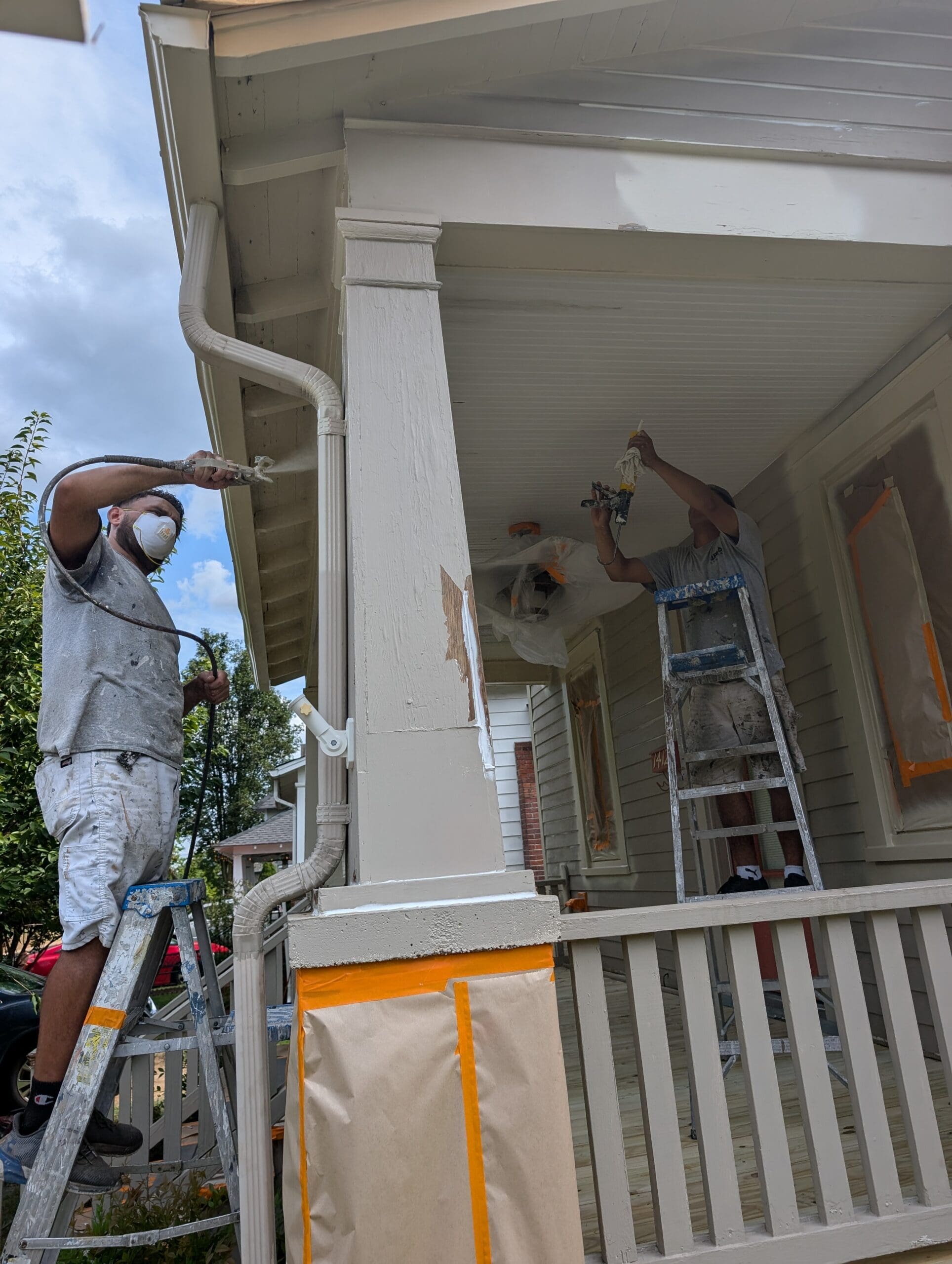
Primer selection also matters. Bonding primers stabilize surfaces that might otherwise struggle with adhesion during the cold. When wood shows bare patches or older paint has begun to chalk, priming becomes essential.
Timing Matters More Than Usual
Winter painting relies on timing. Painters often plan a project around a three-day forecast rather than a single warm afternoon. Stability is valuable. A stretch of daytime temperatures in the low-40s accompanied by dry air offers better conditions than a random 55°F day sandwiched between rainstorms.
Professional crews often start painting later in the day during winter to avoid morning frost. They prioritize walls that receive sunlight because those surfaces support better adhesion. Once sunlight shifts, the focus moves with it. This staggered approach helps each section get the best available conditions.
Temperature drops after sunset matter more in winter because paint continues curing well into the evening. If the forecast shows a hard freeze overnight, the work should pause, even if the daytime conditions look great.
Safety and Practical Considerations
Working outdoors in winter requires more caution. Cold weather reduces flexibility in caulk, so it’s essential to choose a formula engineered for low temperatures. Ladders, decks, and walkways may hold icy patches that aren’t immediately visible. Those hazards complicate even basic tasks like moving equipment or washing exterior surfaces.
Cleanup also becomes more complicated. Brushes and rollers stiffen faster, and water used for cleaning can freeze around work areas. Planning each stage reduces the risk of wasting materials or compromising safety.
Homeowners attempting DIY winter painting often underestimate how quickly surfaces lose heat once the sun fades. What feels like a mild afternoon may turn into a cold wall by the time a second coat is ready. Measuring surface temperature with an infrared thermometer helps avoid that mistake. Air temperature isn’t always the same as the siding temperature.
Benefits of Completing Exterior Painting in Winter
Waiting for warm weather makes sense, but winter painting isn’t without advantages. Winter availability typically improves because painting schedules loosen once temperatures drop. Homeowners who can match their project with a good weather window often complete the job sooner instead of waiting months for spring openings.
Exterior paint applied during winter, when done correctly, often holds its color well. Cooler temperatures slow surface evaporation, helping the coat settle smoothly. That smoother finish strengthens durability.
Winter projects also reduce the risk of pollen landing on the paint—something that becomes a big issue during spring. With fewer insects and less airborne debris, a clean finish becomes easier to maintain.
Managing Expectations and Making the Right Call
Winter painting is possible but not universal. The success of the project depends on weather, materials, timing, and the condition of the existing exterior. Homeowners must be honest about whether their home’s specific needs can be met during colder months. A minor refresh on a stable surface may work perfectly well in January. A heavily worn exterior begging for repairs should wait for warmer days.
Professional painters make winter decisions cautiously because reputation depends on long-term results. Good crews will pause a job if conditions change. They prioritize surface temperature checks, moisture readings, and product selection to prevent premature failure.
Final Thoughts
Winter exterior painting demands respect for temperature, moisture, timing, and technique. It’s not something to rush or force. Homes in Virginia, where winters can swing between mild and freezing within days, require even closer attention to forecasts. Careful planning paired with cold-weather-ready products allows certain projects to move forward, but only under the right conditions. Homeowners who approach winter painting with patience and flexibility protect their investment and maintain a strong finish that lasts beyond the season.